NEWS
🚨 BREAKING: Mexico’s President Claudia Sheinbaum has urged international bodies, including the United Nations, to oppose what she describes as aggressive U.S. actions toward Venezuela, criticizing President Trump’s hard-line approach and calling for respect for international law.

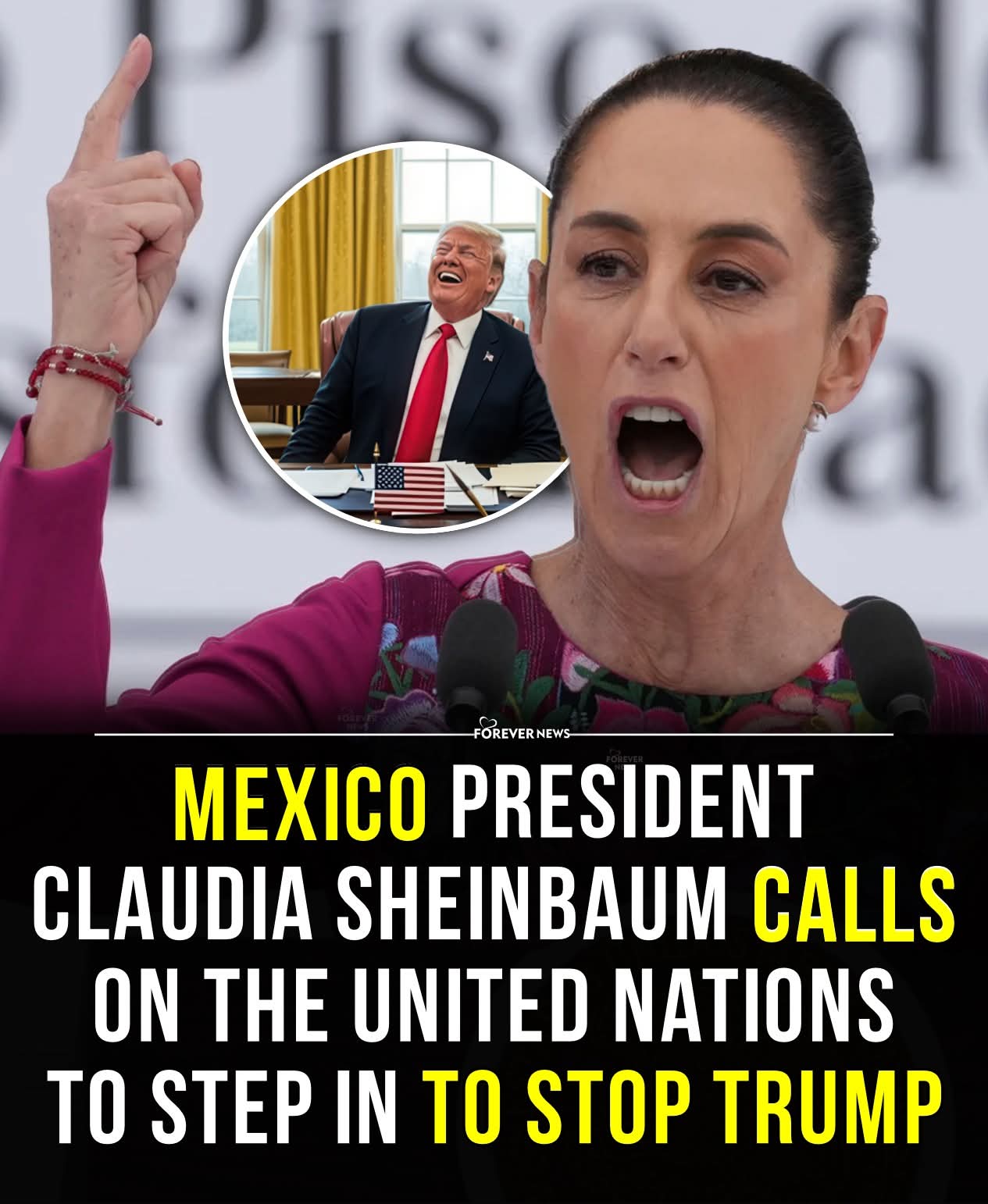
Mexico’s President Claudia Sheinbaum has publicly urged international organizations, including the United Nations, to oppose what she described as increasingly aggressive actions by the United States toward Venezuela, marking a sharp escalation in diplomatic rhetoric across the Americas.
Speaking amid growing geopolitical strain in the region, Sheinbaum criticized President Donald Trump’s hard-line approach to Venezuela, warning that unilateral pressure and coercive tactics risk undermining international law and regional stability.
She emphasized that disputes between nations must be resolved through diplomacy and multilateral engagement, not force or intimidation.
“Respect for sovereignty and international law is not optional,” Sheinbaum said, signaling Mexico’s intent to position itself as a vocal defender of non-intervention principles. Her comments reflect long-standing concerns among Latin American governments about U.S. influence in the region and fears that renewed confrontational policies could destabilize already fragile political and economic conditions in Venezuela.
The appeal to the United Nations places additional pressure on global institutions to respond. While the UN has traditionally called for dialogue and peaceful solutions in Venezuela, critics argue it has lacked the enforcement power to restrain major powers. Sheinbaum’s statement appears aimed at galvanizing broader international resistance and forcing the issue onto the global diplomatic agenda.
Washington, for its part, has defended its stance as necessary to protect regional security and promote democratic accountability, but the renewed criticism highlights a widening divide between the U.S. and key partners in Latin America. Analysts say Mexico’s move could encourage other governments to speak out, potentially reshaping alliances and diplomatic dynamics in the hemisphere.
As tensions rise, the question remains whether international bodies will take a more assertive role or whether the dispute will further expose the limits of multilateral institutions in restraining powerful nations. For now, Sheinbaum’s message is clear: the future of the Americas, she argues, depends on cooperation, restraint, and respect for the rules-based international order.


BREAKING NEWS: Do Americans Approve of Trump’s Way of Ruling? Public Opinion Splits as Debate Over His Leadership Style Resurfaces

‘WE GOT HIM!’: President Trump announced on Truth Social that U.S. forces carried out one of the most daring search-and-rescue missions in history, successfully recovering a senior officer who had been behind enemy lines in Iran.

“Andy Reid: ‘I Would Never Bet Against’ Patrick Mahomes Returning for Week 1 of 2026 Season”

Serena Williams shares a deep message for fans worldwide… Now people everywhere are reacting in a big way….

BREAKING: Trump Fires Attorney General Pam Bondi in Major Cabinet Shakeup Amid Iran War Tensions

See Serena Williams in Spicy Wet Red Barely-There Never-Before-Seen Mouth-Watering Photos: Fans Lose It When the Red Dress Couldn’t Hold Her Melons and Dropped and Revealed Her Giant…

See Serena Williams in Spicy Wet Red Barely-There Never-Before-Seen Mouth-Watering Photos: Fans Lose It When the Red Dress Couldn’t Hold Her Melons and Dropped and Revealed Her Giant…

The Goat ! Serena Williams at the vanity fair Oscar party …..

Fans have to check in : New 17 Serena Williams hot bikinis pictures
Hot Serena Williams bikini photos: 🎾 Serena Williams is embracing her new look and shutting down the noise. The tennis legend recently shared photos in bikinis

Fans Weren’t Ready for What Serena Williams Revealed While Trying on a Bikini in Her Wardrobe…