NEWS
🚨 “NO TRUMP, NO JANUARY 6.” Jack Smith just dropped a bombshell in newly released deposition testimony, saying the Capitol attack would not have happened without Donald Trump. Smith called Trump the most culpable and responsible figure, accusing him of knowingly spreading false election claims, directing allies, and then refusing to act as violence unfolded — all for his own benefit. ⚖️🔥 The implications are massive — and Trump may just be impeached

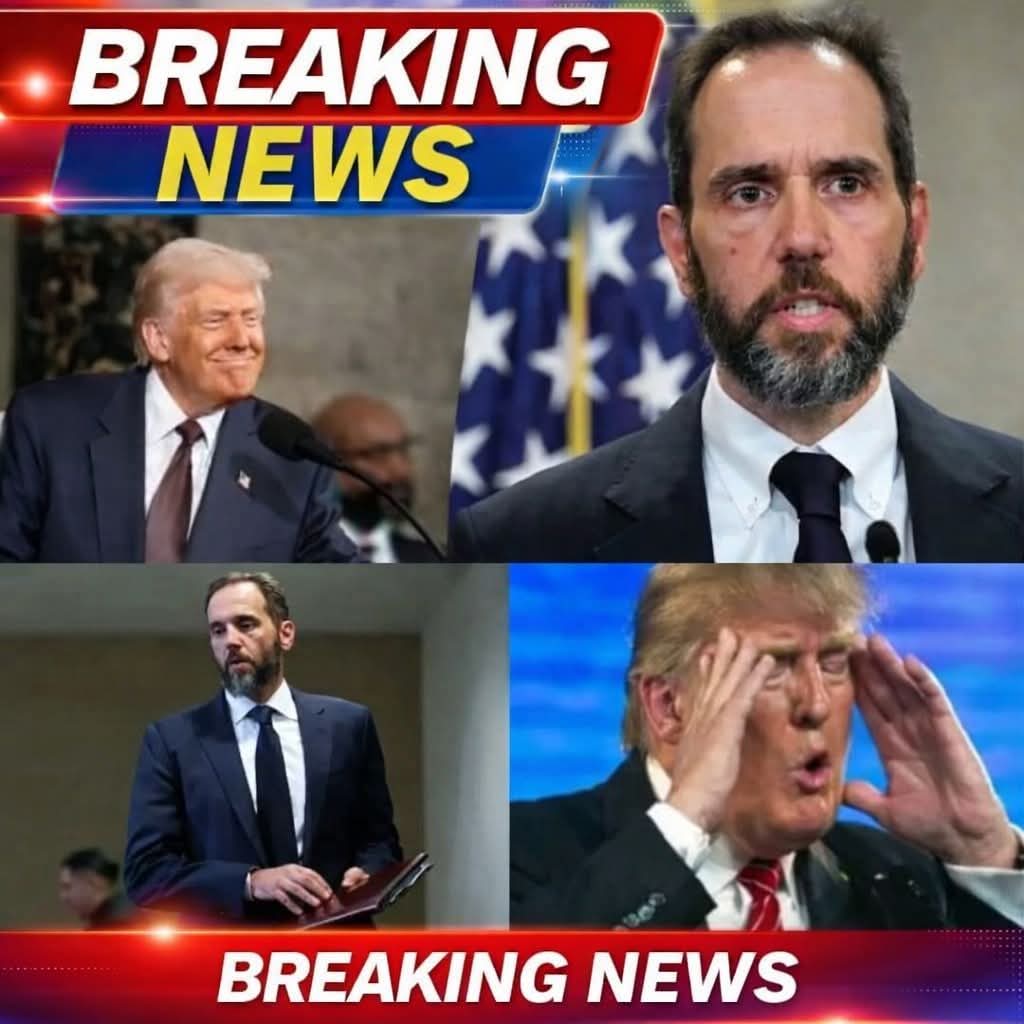
A newly released deposition attributed to Special Counsel Jack Smith has reignited one of the most consequential debates in modern American politics. In stark terms, Smith is reported to have said that the January 6 Capitol attack would not have occurred without Donald Trump, calling him the most culpable and responsible figure behind the events that unfolded that day. The statement, now circulating widely, has intensified legal, political, and public scrutiny around Trump’s actions before, during, and after the attack.
At the core of Smith’s assertion is the argument that Trump knowingly spread false claims about the 2020 election, despite being repeatedly informed by advisers, courts, and state officials that there was no evidence of widespread fraud. According to this account, those claims were not merely rhetoric but a driving force that mobilized supporters, shaped expectations, and created the conditions that led to violence at the Capitol.
The deposition reportedly goes further, alleging that Trump directed allies and supporters through public statements and private pressure campaigns, then failed to act decisively as the situation spiraled out of control. Smith’s characterization frames this inaction as deliberate, suggesting that Trump chose to benefit politically from the chaos rather than intervene to stop it.
If accurate, these claims strike at a foundational principle of American democracy: that no one, including a president, is above the law.
The idea that a sitting president could play a central role in undermining a constitutional process and face no consequences raises profound questions about precedent, accountability, and the resilience of democratic institutions.
The political implications are equally significant. Discussions of impeachment, long thought to be settled after Trump’s second impeachment trial, have resurfaced in public discourse.
While impeachment is ultimately a political process rather than a legal one, Smith’s reported testimony adds weight to arguments that Congress failed to fully reckon with January 6 and its causes.
Supporters of Trump, however, strongly reject Smith’s framing. They argue that Trump’s speech was protected political expression, that responsibility for the violence lies solely with those who committed it, and that continued investigations represent partisan weaponization of the justice system.
This divide underscores how January 6 remains not just a historical event, but an ongoing fault line in American political life.
Beyond Trump himself, the moment forces a broader national reflection. How should a democracy respond when falsehoods are used to challenge electoral outcomes? What duties does a president have in moments of crisis? And what happens if those duties are ignored?
As legal proceedings and political debates continue, Jack Smith’s reported words — “No Trump, no January 6” — have become a rallying cry for those demanding accountability and a warning about the fragility of democratic norms. Whether this moment leads to concrete consequences or fades into another chapter of polarization may shape how future generations understand both January 6 and the presidency itself.


BREAKING NEWS: Do Americans Approve of Trump’s Way of Ruling? Public Opinion Splits as Debate Over His Leadership Style Resurfaces

‘WE GOT HIM!’: President Trump announced on Truth Social that U.S. forces carried out one of the most daring search-and-rescue missions in history, successfully recovering a senior officer who had been behind enemy lines in Iran.

“Andy Reid: ‘I Would Never Bet Against’ Patrick Mahomes Returning for Week 1 of 2026 Season”

Serena Williams shares a deep message for fans worldwide… Now people everywhere are reacting in a big way….

BREAKING: Trump Fires Attorney General Pam Bondi in Major Cabinet Shakeup Amid Iran War Tensions

See Serena Williams in Spicy Wet Red Barely-There Never-Before-Seen Mouth-Watering Photos: Fans Lose It When the Red Dress Couldn’t Hold Her Melons and Dropped and Revealed Her Giant…

See Serena Williams in Spicy Wet Red Barely-There Never-Before-Seen Mouth-Watering Photos: Fans Lose It When the Red Dress Couldn’t Hold Her Melons and Dropped and Revealed Her Giant…

The Goat ! Serena Williams at the vanity fair Oscar party …..

Fans have to check in : New 17 Serena Williams hot bikinis pictures
Hot Serena Williams bikini photos: 🎾 Serena Williams is embracing her new look and shutting down the noise. The tennis legend recently shared photos in bikinis

Fans Weren’t Ready for What Serena Williams Revealed While Trying on a Bikini in Her Wardrobe…