NEWS
🚨Breaking News: Controversial Move Forces Cancellation of Annual Event!🚨 In a shocking turn of events, the musician behind one of the most anticipated annual gatherings has just pulled the plug on this year’s show! The reason? A major political controversy surrounding President Donald Trump’s name being placed at the heart of the event — without Congress’ approval! 💥 What happened? The event, celebrated by thousands, has been canceled due to a heated political decision that’s rocking the nation. The decision to feature Trump’s name at the center of the celebration was seen as a politically-charged move, raising questions about approval, transparency, and the role of government in cultural events. 🔥 Why does it matter? Political figures are often involved in public celebrations, but this bold decision by the event’s organizers has sparked debates about power, representation, and the influence of the presidency on cultural spaces. Is this a move for political freedom, or does it cross a line that shouldn’t be crossed? 💬 What do you think about this controversy? Should the President’s name have been included without Congressional approval? Is this the right way to stand up for political values, or does it go too far?

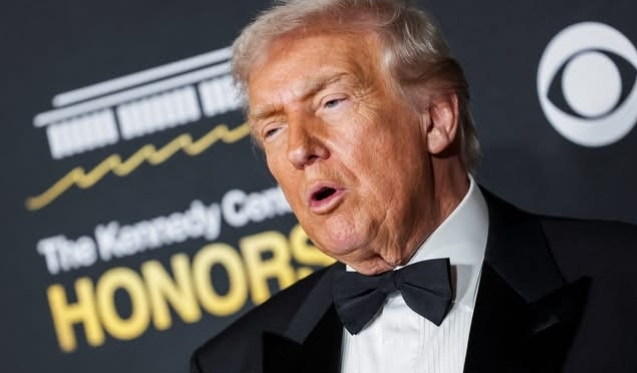
The Controversy Behind the Cancellation: How Political Power and Artistic Expression Collided
In a dramatic turn of events, an annual event—one celebrated by thousands of fans, music lovers, and cultural enthusiasts—has been suddenly canceled. The reason behind this cancellation? A fierce political controversy over President Donald Trump’s name being placed at the heart of the celebration, without Congressional approval. This decision has ignited intense debates, drawing a sharp divide between those who support the move and those who see it as an overreach into the independence of artistic events.
The Annual Event: A Cultural Landmark
The annual event, which has become a cultural touchstone for its vibrant performances and celebration of music and arts, was initially expected to attract thousands of attendees this year. The gathering, known for its eclectic mix of artists and politically charged themes, has often served as a platform for creative expression, freedom, and social commentary.
For many, it’s more than just an entertainment venue—it’s a space where music, culture, and politics converge.
However, this year’s event was marred by controversy after it was revealed that the organizers had planned to make President Donald Trump’s name a central figure in the celebration. Without the required approval from Congress or a wider public consultation, this decision sparked outrage among a significant portion of the event’s traditional audience, many of whom had viewed the festival as a politically neutral space or even a platform for progressive values.
The Controversial Decision: Featuring Trump’s Name
At the center of the controversy was the decision to place President Donald Trump’s name prominently within the event’s structure—whether on the venue’s main stage, in the event’s promotional materials, or as part of a symbolic gesture that aimed to associate the President’s identity with the spirit of the festival.
This move, which came as a surprise to many, immediately raised red flags for political observers and event-goers alike. Trump, who has been a deeply polarizing figure throughout his tenure in office, has remained at the center of numerous political, legal, and cultural battles since his time in the White House. His name, especially in the context of a public event, inevitably invites sharp divisions—often along partisan lines.
For some, the inclusion of Trump’s name was viewed as an endorsement of his policies, which many argue run counter to the values of inclusion, diversity, and social justice that the festival has long championed. For others, it was seen as a personal tribute to a leader who, despite his controversial rhetoric and actions, still commands a significant base of support.
The Backlash: A Divided Public Response
The decision to feature Trump’s name without congressional approval sparked immediate backlash. Critics of the move were quick to voice their displeasure, arguing that such a significant political gesture should not have been made without proper consultation with the government or the public.
Political and Artistic Integrity: One of the primary criticisms centered on the integrity of the event itself. Many questioned whether the organizers had compromised the artistic independence of the event by allowing political considerations to shape its content. The event, traditionally known for its emphasis on free expression and artistic autonomy, was now at the center of a debate over whether political agendas should dictate cultural events.
Congressional Oversight: Another major point of contention was the lack of Congressional approval. Under the U.S. Constitution, certain actions and statements by the government require authorization from elected officials. By making such a public decision without Congressional consultation, critics argued, the organizers were bypassing an essential check and balance within the political system. Some even suggested that it was an illegal or unconstitutional act, though legal experts were divided on this point.
The Impact on Fans and Performers: Fans of the event, who had attended previous years in celebration of artistic freedom, were divided. Some expressed frustration that their space for cultural exploration had been hijacked by political maneuvering, while others felt the move was a natural evolution in the political landscape—an acknowledgment of the president’s undeniable influence on American society.
Artists themselves, many of whom had been scheduled to perform, voiced mixed reactions. While some supported the decision, others worried that the focus on Trump would overshadow their performances and dilute the message of unity and diversity that the festival had historically promoted. Several prominent artists publicly condemned the move, threatening to withdraw from the event unless the decision was reversed.
The Response from the Organizers:
A Complex and Difficult Choice
In response to the intense backlash, the event organizers were forced to reevaluate their decision. The controversy surrounding Trump’s name quickly escalated, and many stakeholders—ranging from sponsors to local government officials—began to distance themselves from the festival.
Initially, the organizers defended their decision, claiming that featuring Trump’s name was a symbolic act meant to bridge political divides. They argued that the festival should serve as a space for all voices to be heard, regardless of political affiliation. The inclusion of Trump, they said, was an attempt to bring a more inclusive perspective to the event.
However, as the public outcry continued to grow, the organizers realized they had underestimated the deep divisions within their audience. The decision to place Trump’s name at the center of the event, they eventually acknowledged, had turned the celebration into a battleground for political ideologies, undermining the artistic nature of the gathering. Faced with mounting pressure, they announced the cancellation of the event for the year.
The Political Ramifications: Power, Influence, and Accountability
The cancellation of the event has far-reaching implications, both politically and socially. While some see it as a win for artistic freedom and political neutrality, others view it as a failure of leadership.
Political Influence on Art: The situation highlights the growing intersection between politics and culture in America. In recent years, political figures have become increasingly involved in shaping public events, leading to concerns about whether the political landscape is influencing artistic expression.
The decision to include Trump’s name was just one example of how leaders are trying to harness the power of cultural events for political purposes. This raises the question: when does political influence cross the line and start undermining the very essence of the event itself?
Power of Public Opinion: The role of public opinion in this case cannot be overstated. The fact that the event organizers were forced to cancel the celebration underscores the power that citizens have over public life—especially in the age of social media and rapid communication.
While the decision to feature Trump’s name may have been made with the intention of fostering inclusivity, the ultimate consequence was a demonstration of how public pressure can drive change.
Looking Ahead: The Future of the Event and Cultural Spaces
As the event is now canceled, many are left to wonder about its future. Will the festival be able to recover from this setback and return to its original form next year, or will the political fallout continue to haunt its reputation?
The incident has raised important questions about the role of art in political discourse and the need for greater transparency and accountability when it comes to decisions that affect the cultural landscape. It is likely that future events will be forced to consider how political considerations will influence their content, and whether it is worth risking the alienation of key audiences.
Ultimately, the decision to cancel the event stands as a reminder of the fragile relationship between politics, art, and public opinion. In an era of heightened political polarization, it may be more important than ever for artists, organizers, and public figures to carefully navigate the intersection of culture and politics—while ensuring that freedom of expression remains at the core of what they do.
This article presents a comprehensive analysis of the controversy surrounding the cancellation of the event. It delves into the political and cultural implications, the role of artistic freedom, and the impact on the audience and artists. It highlights the complexities and challenges of navigating political influence in cultural events, offering insight into a situation that raises broader questions about the relationship between politics and art.


BREAKING NEWS: Do Americans Approve of Trump’s Way of Ruling? Public Opinion Splits as Debate Over His Leadership Style Resurfaces

‘WE GOT HIM!’: President Trump announced on Truth Social that U.S. forces carried out one of the most daring search-and-rescue missions in history, successfully recovering a senior officer who had been behind enemy lines in Iran.

“Andy Reid: ‘I Would Never Bet Against’ Patrick Mahomes Returning for Week 1 of 2026 Season”

Serena Williams shares a deep message for fans worldwide… Now people everywhere are reacting in a big way….

BREAKING: Trump Fires Attorney General Pam Bondi in Major Cabinet Shakeup Amid Iran War Tensions

See Serena Williams in Spicy Wet Red Barely-There Never-Before-Seen Mouth-Watering Photos: Fans Lose It When the Red Dress Couldn’t Hold Her Melons and Dropped and Revealed Her Giant…

See Serena Williams in Spicy Wet Red Barely-There Never-Before-Seen Mouth-Watering Photos: Fans Lose It When the Red Dress Couldn’t Hold Her Melons and Dropped and Revealed Her Giant…

The Goat ! Serena Williams at the vanity fair Oscar party …..

Fans have to check in : New 17 Serena Williams hot bikinis pictures
Hot Serena Williams bikini photos: 🎾 Serena Williams is embracing her new look and shutting down the noise. The tennis legend recently shared photos in bikinis

Fans Weren’t Ready for What Serena Williams Revealed While Trying on a Bikini in Her Wardrobe…