CELEBRITY
850 Million Views in 48 Hours: Erika Kirk’s All-American Halftime Show, Backed by Taylor Swift, Sparks Network Silence and a National Super Bowl Showdown

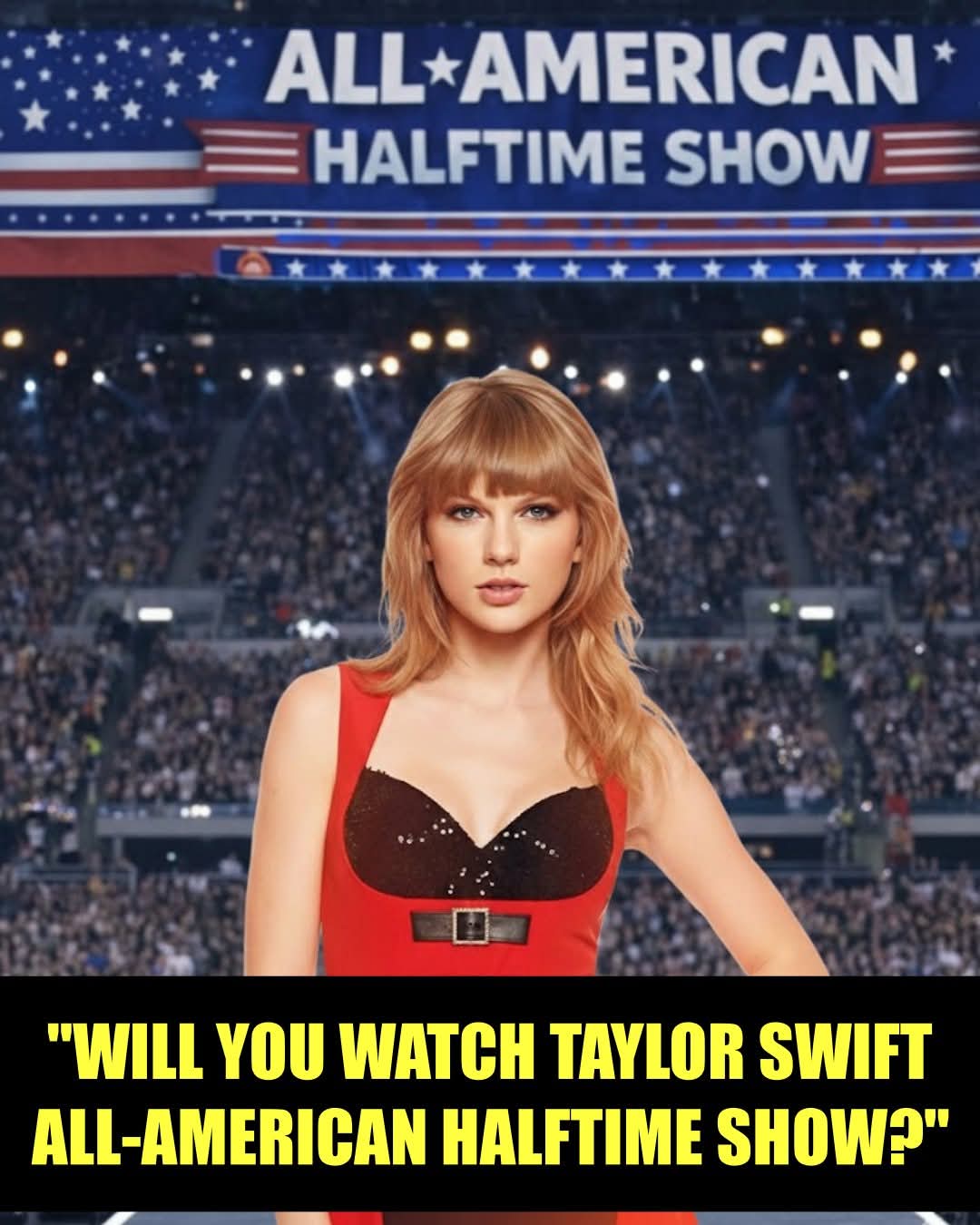
850 Million Views in 48 Hours: How “The All-American Halftime Show” Is Rewriting the Super Bowl Playbook
In just two days, a single phrase has ignited one of the most intense cultural debates in recent Super Bowl history: “The All-American Halftime Show.” With more than 850 million views in 48 hours, the project tied to media entrepreneur Erika Kirk is no longer just a viral moment—it’s a full-scale disruption of how Americans view the most-watched entertainment window of the year.
According to multiple insiders, the All-American Halftime Show is set to air live during the Super Bowl halftime slot, but with a stunning twist: it will not be broadcast on NBC or any traditional major network. That revelation alone has sent shockwaves through the media industry, raising questions about control, censorship, and who truly owns America’s biggest stage.
Fueling the fire even further is one explosive report: Taylor Swift is expected to open the broadcast, and she has publicly supported Erika Kirk’s decision to take the show outside legacy television. If confirmed, it would mark one of the most unexpected and controversial moves of Swift’s career—placing her at the center of a conversation far bigger than music.
A Message-First Moment: “For Charlie”
Unlike traditional halftime spectacles built around flash, sponsorships, and brand tie-ins, insiders describe this project as “message-first.” The phrase repeatedly attached to the show—“For Charlie”—has become a rallying cry online, though its full meaning remains intentionally unexplained.
That silence has only intensified speculation, with millions demanding clarity about who Charlie is and why this moment matters.
What is clear, however, is that the show’s reported themes—faith, family, and America—are striking a nerve at a time when national identity feels increasingly fractured.
The Silence That’s Speaking Loudest
Perhaps the most telling development is what hasn’t happened. Major networks, league partners, and corporate sponsors have remained unusually quiet. No denials. No confirmations. No damage control. Media analysts say that silence is strategic—but risky.
“The lack of response is feeding curiosity at an unprecedented level,” one industry insider noted. “People feel like something big is being withheld from them.”
That perception has helped propel the story far beyond sports and entertainment, spilling into politics, culture, and online activism.
A Cultural Flashpoint, Not Just a Show
Supporters are calling the All-American Halftime Show a long-overdue reclaiming of American storytelling, praising its unapologetic tone and refusal to conform. Critics, meanwhile, warn that the project could deepen cultural divides and politicize an event meant to unite viewers.
Either way, one thing is undeniable: this is no longer just about halftime entertainment.
With one final detail still deliberately left unexplained—and millions refreshing their feeds for answers—the All-American Halftime Show has already achieved something rare: it has turned anticipation itself into the main event.
As Super Bowl Sunday approaches, the question isn’t whether people will watch.
It’s where, how, and what message they’ll be asked to confront when the screen goes dark and the music begins.


Fans Weren’t Ready for What Serena Williams Revealed While Trying on a Bikini in Her Wardrobe…
Fans Weren’t Ready for What Serena Williams Revealed While Trying on a Bikini in Her Wardrobe…👇

These Serena Williams New 10 Mouth-Watering Wet Beach Moment Photos in a Barely There Dress Are the New Viral Talk on the Internet, and Fans Went Crazy to See the Moment the Dress Slipped Down and What Revealed Is That Serena Has a Big…

BREAKING: U.S President Donald Trump Has Just Been Confirmed…

Internet Buzz: 10 Private Photos of Serena xWilliams Allegedly Leaked Online,

Serena Williams’ Very Soaked Hot Body in 5 Private Photos Is Causing Fans to Lose Focus – Wives and Girlfriends Complain Their Men Are Distracted and Demand the Photos Be Deleted. See Them Before They’re Removed.

It was really painful, I thought I hurt my boobs popular Instagram celebs shares pictures of her hitting her boobs on the…

These 5 private Serena Williams mouth-watering beach photos are causing serious damage to fans, see them before it deleted

5 private Serena Williams mouth-watering beach photos are causing serious damage to fans

Serena Williams shocks the internet after stepping out in an ultra-revealing outfit, igniting fierce debate, viral reactions, and headlines as fans argue fashion freedom versus public shock worldwide. See more here…

Serena William Turns Heads in a sexy white gown — The photos Are breaking the internet
