NEWS
BLAMING THE WEST: Iran’s Supreme Leader Khamenei calls Trump a “criminal,” accusing the U.S. president of orchestrating protests that have left thousands dead. Tehran claims Trump “personally became involved” in what it calls foreign-driven unrest.

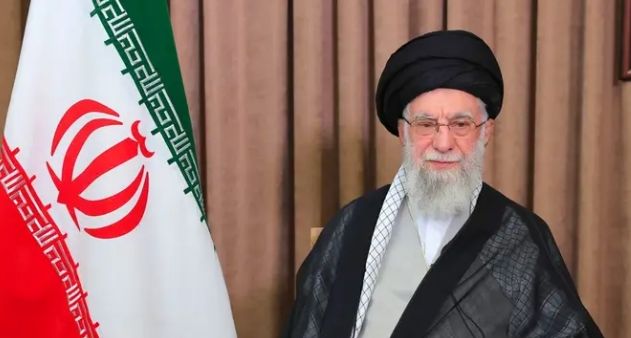
Iran’s Supreme Leader Ayatollah Ali Khamenei has escalated his rhetoric against the United States, branding President Donald Trump a “criminal” and accusing him of personally orchestrating the wave of protests that have plunged Iran into its deadliest unrest in decades.
Speaking through state-controlled media, Khamenei claimed the uprising sweeping across Iran was not organic, but instead a foreign-driven plot led by Washington. According to the regime, Trump himself became directly involved in what Tehran describes as “sedition,” blaming the U.S. and its allies for fueling instability and violence inside the country.
Yet the scale and intensity of the protests tell a different story.
A Nation Erupts From Within
What began as demonstrations over economic hardship—rising inflation, unemployment, and collapsing living standards—has rapidly transformed into widespread anti-regime protests. Across major cities and rural regions alike, Iranians have taken to the streets chanting against clerical rule, corruption, and decades of repression.
Security forces have responded with overwhelming force. Human rights groups report that thousands of protesters have been killed, making this the bloodiest period of unrest Iran has experienced in generations. Arrests, executions, and violent crackdowns have become routine as the regime struggles to regain control.
Opposition figures and international observers argue that the protests are driven by domestic despair, not foreign influence. They point to years of economic mismanagement, political repression, and a lack of basic freedoms as the true catalysts behind the uprising.
Deflecting Blame as Pressure Mounts
By accusing Trump and the West, Iranian leadership appears intent on deflecting responsibility for the violence. Analysts say blaming external enemies has long been a strategy used by authoritarian regimes facing internal collapse—framing dissent as treason rather than acknowledging public anger.
Hardline clerics have echoed Khamenei’s message, labeling protesters “foreign agents” and calling for harsher punishments.
State media continues to portray demonstrators as pawns of the U.S. and Israel, even as footage circulates online showing unarmed civilians confronting heavily armed security forces.
Trump’s Response and Global Tensions
President Trump has openly voiced support for the Iranian protesters, condemning the killings and warning Tehran of severe consequences if the violence continues. While some U.S. lawmakers have urged stronger action, Trump has so far stopped short of authorizing military strikes, signaling a strategy that blends pressure with restraint.
The White House has stated that communication has been sent to Iranian leadership making clear that continued executions and mass killings will not be tolerated. Despite this, Iran’s leadership remains defiant, doubling down on its accusations and threatening retaliation.
A Regime Under Strain
As protests persist and international scrutiny intensifies, Iran’s ruling establishment appears increasingly isolated. The more force it uses to silence dissent, the more it exposes its fear of losing control.
Whether Khamenei’s accusations succeed in rallying loyalists—or instead further inflame public outrage—remains to be seen. What is clear is that Iran stands at a historic crossroads, with its leadership blaming the West while its people demand change from within.


Serena Williams Breaks Silence: How Gruelling, Invasive Doping Protocols Nearly Destroyed Her Confidence And Almost Forced Her To Quit Tennis For Good

Trump Kisses Mystery Woman LIVE at World Cup Draw… Melania’s Face Says It All during the 2026 World Cup Draw —— furious melania felling BETRAYED – RETALIATES by EXPOSING TRUMP SECRET

Internet Buzz: 3 hot Private Photos of Serena Williams Allegedly Leaked Online,click to see ..see more

Serena Williams Just Stepped Out in a Look That’s Got Everyone Talking – See Why Fans Are Calling It Pure Confidence

Donald Trump showed up at the World Cup stadium and the crowd didn’t just cheer – it erupted. Cameras caught the moment he walked in, and fans instantly lost it.

Trump Drops a Bombshell 60-Day Deadline for Iran: ‘Make a Deal or Face Things They Won’t Like’ – But Says He Doesn’t Think It Will Get That Far. What Happens Next?

Serena Williams Becomes the Center of a Heated Online Conversation, after a leak video show her private ..

Serena Williams’ Very Soaked Hot Body in 5 Private Photos Is Causing Fans to Lose Focus – Wives and Girlfriends Complain Their Men Are Distracted and Demand the Photos Be Deleted. See Them Before They’re Removed……

“Serena Williams’ Private Photos Just Leaked Online… And the Internet Is Completely Losing It

Fans Are Not Ready for These 7 Oiled and Drenched Serena Williams Private Beach Photos – No One Could Believe the Moment Ocean Waves Tore Her Top Off, Revealing Nothing Worn Underneath, but What Fans Could Not Stop Staring At Is the Photo of When the Waves Hit Her Backside and Shifted the Underwear Revealing a Big…

The Queen is back. A special moment as Vicky Mboko shares the court with Serena Williams at Queen’s Club. From inspiration to partnership, they’ll team up in doubles as Serena begins her long-awaited comeback journey.
