NEWS
Media reports indicate President Donald Trump appeared visibly frustrated when questioned publicly about files linked to Jeffrey Epstein. No new documents were released, no detailed comments were given, and officials have provided no updates, renewing public curiosity and debate over transparency and accountability.

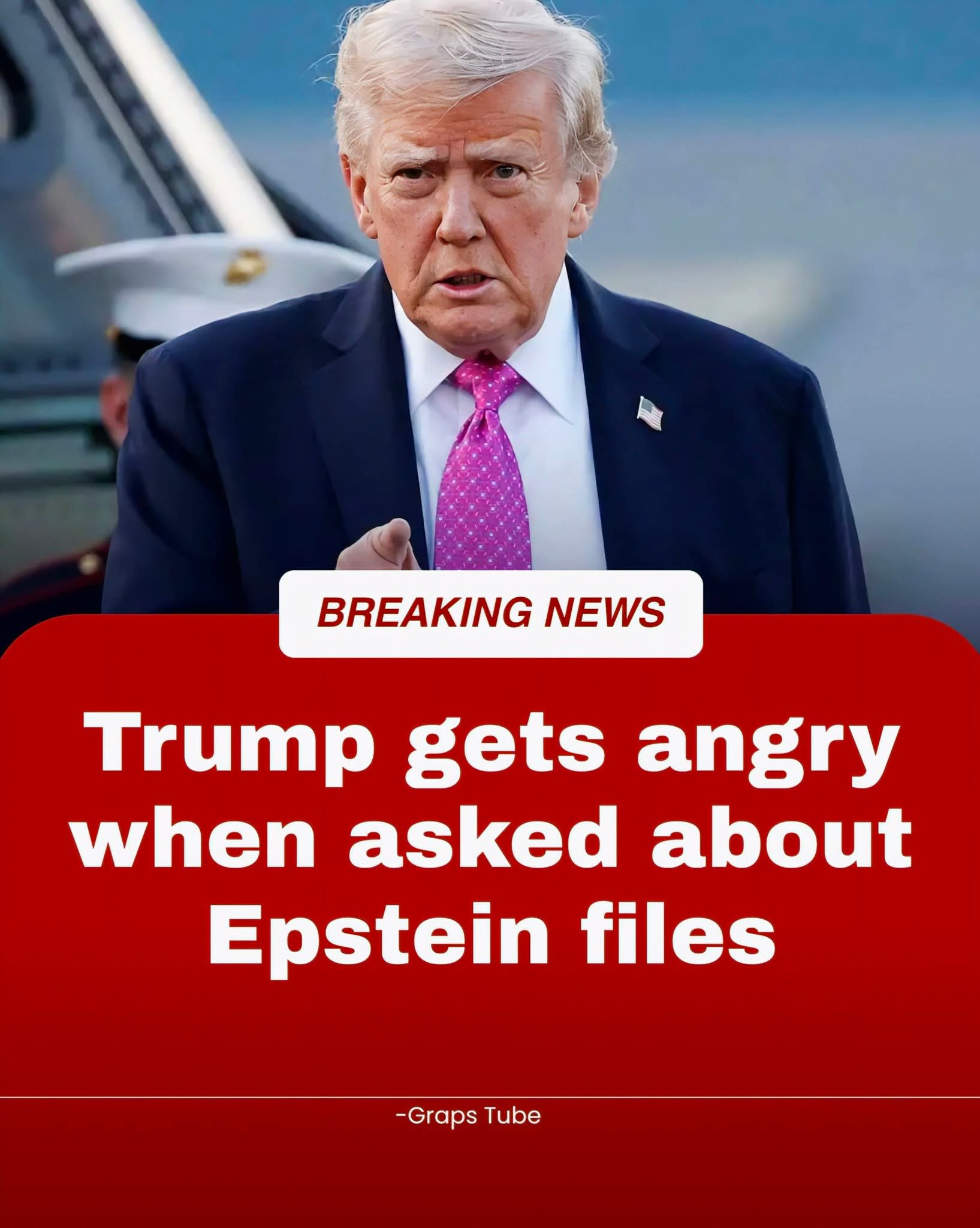
Media reports describing U.S. President Donald Trump’s visible frustration when asked about files connected to Jeffrey Epstein have reignited public debate over transparency, accountability, and the unanswered questions surrounding one of the most controversial criminal cases in recent history.
The exchange occurred during a public interaction in which reporters raised questions about Epstein-related files.
Observers noted a noticeable shift in the president’s demeanor as the topic surfaced. Trump did not offer detailed comments, and no new documents, disclosures, or official updates were presented at the time. The moment was brief, but its impact was immediate—fueling renewed scrutiny and widespread discussion.
A Case That Refuses to Fade
Jeffrey Epstein’s case continues to cast a long shadow over American politics, media, and public trust. Despite Epstein’s death in 2019, interest in the case has only intensified, driven by lingering questions about potential accomplices, sealed records, and whether influential figures were ever fully investigated. Each time the issue resurfaces, it exposes deep public skepticism about whether the full truth has been revealed.
Trump has previously denied wrongdoing or improper associations related to Epstein, but moments like this—where frustration is perceived rather than clarity offered—tend to amplify speculation rather than resolve it. For many Americans, the absence of new information is itself a source of concern.Silence and Its ConsequencesThe lack of official updates following the exchange has left room for interpretation. Supporters argue that repeated questioning on an issue without new evidence is politically motivated or redundant. Critics counter that visible irritation from any public official, especially on such a sensitive topic, underscores the need for clearer answers and greater transparency.
In an era of heightened distrust in institutions, even non-answers can carry weight. Body language, tone, and avoidance are often read as signals—fairly or not—by a public already wary of secrecy at the highest levels of power.Renewed Calls for DisclosureThe incident has once again sparked calls from activists, journalists, and citizens for the full release of Epstein-related files, with minimal redactions and independent oversight. Advocates argue that transparency is the only path to restoring public confidence and ensuring accountability, regardless of political affiliation.
Others caution against speculation without evidence, emphasizing due process and the importance of verified facts over viral moments. Still, the debate itself highlights a broader issue: the growing gap between public expectations for openness and the government’s handling of sensitive, high-profile cases.The Bigger PictureUltimately, the significance of Trump’s reaction lies less in the moment itself and more in what it represents. The Epstein case has become a symbol of elite privilege, institutional failure, and unanswered questions. Until those questions are addressed decisively, any sign of discomfort from leaders will continue to draw attention—and deepen public demand for answers.


Serena Williams Breaks Silence: How Gruelling, Invasive Doping Protocols Nearly Destroyed Her Confidence And Almost Forced Her To Quit Tennis For Good

Trump Kisses Mystery Woman LIVE at World Cup Draw… Melania’s Face Says It All during the 2026 World Cup Draw —— furious melania felling BETRAYED – RETALIATES by EXPOSING TRUMP SECRET

Internet Buzz: 3 hot Private Photos of Serena Williams Allegedly Leaked Online,click to see ..see more

Serena Williams Just Stepped Out in a Look That’s Got Everyone Talking – See Why Fans Are Calling It Pure Confidence

Donald Trump showed up at the World Cup stadium and the crowd didn’t just cheer – it erupted. Cameras caught the moment he walked in, and fans instantly lost it.

Trump Drops a Bombshell 60-Day Deadline for Iran: ‘Make a Deal or Face Things They Won’t Like’ – But Says He Doesn’t Think It Will Get That Far. What Happens Next?

Serena Williams Becomes the Center of a Heated Online Conversation, after a leak video show her private ..

Serena Williams’ Very Soaked Hot Body in 5 Private Photos Is Causing Fans to Lose Focus – Wives and Girlfriends Complain Their Men Are Distracted and Demand the Photos Be Deleted. See Them Before They’re Removed……

“Serena Williams’ Private Photos Just Leaked Online… And the Internet Is Completely Losing It

Fans Are Not Ready for These 7 Oiled and Drenched Serena Williams Private Beach Photos – No One Could Believe the Moment Ocean Waves Tore Her Top Off, Revealing Nothing Worn Underneath, but What Fans Could Not Stop Staring At Is the Photo of When the Waves Hit Her Backside and Shifted the Underwear Revealing a Big…

The Queen is back. A special moment as Vicky Mboko shares the court with Serena Williams at Queen’s Club. From inspiration to partnership, they’ll team up in doubles as Serena begins her long-awaited comeback journey.
