NEWS
Wyoming Supreme Court Overturns Abortion Bans, Citing Constitutional Health Care Rights, as Governor Pushes Referendum and Congress Reignites Debate Over Obamacare Subsidies in a High-Stakes National Health Policy Showdown

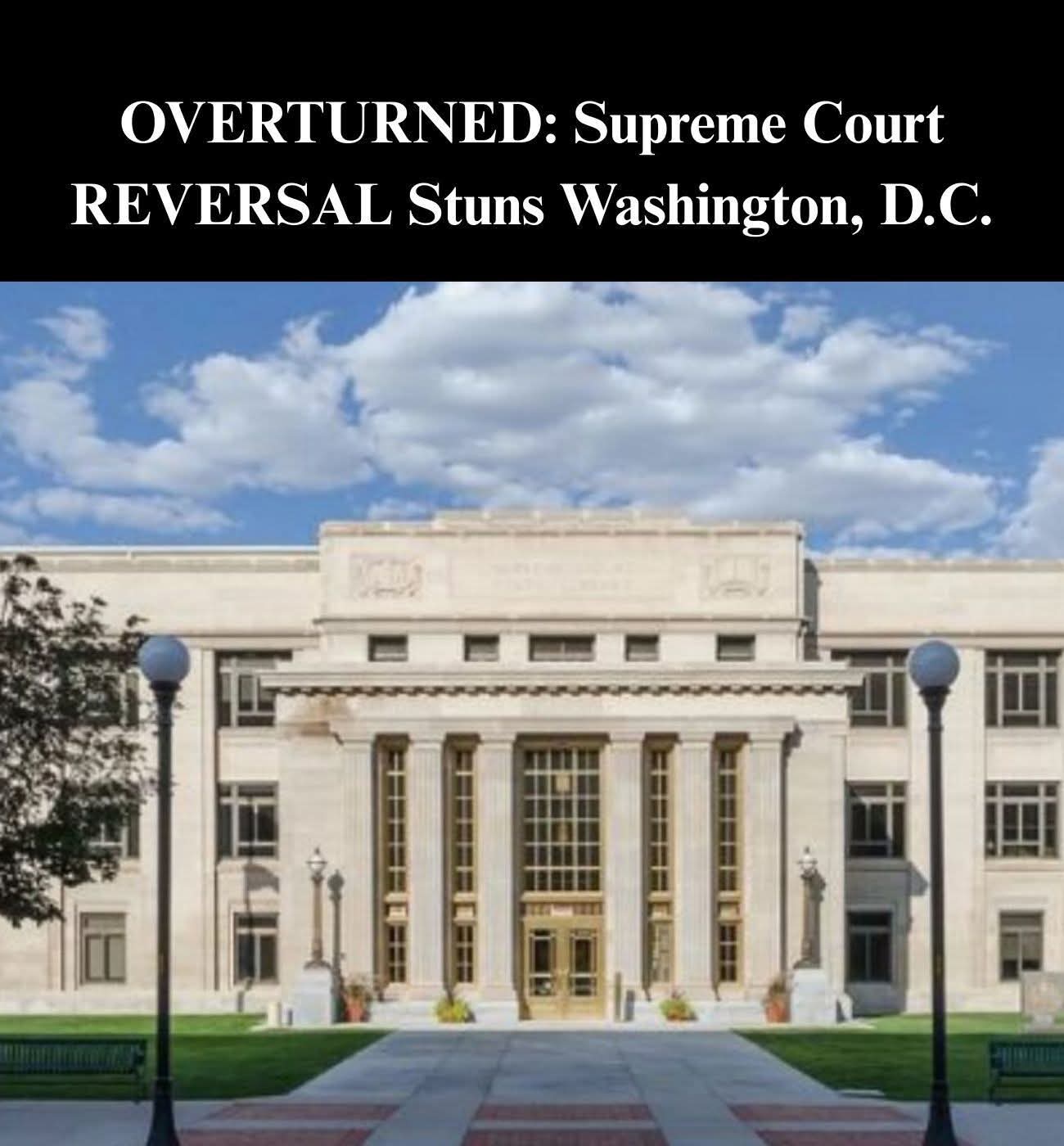
The Wyoming Supreme Court has ruled that two state laws restricting abortion are unconstitutional, delivering a landmark decision that underscores the continuing legal and political battles over reproductive rights in the United States.
In a ruling issued on January 6 in State v. Johnson, the court invalidated the Life is a Human Right Act of 2023, which imposed a near-total ban on abortion procedures, as well as a separate law prohibiting abortion medication.
The justices concluded that both measures violated Article 1, Section 38 of the Wyoming Constitution — a provision approved by voters in a 2012 statewide referendum guaranteeing that “each competent adult shall have the right to make his or her own health care decisions.”
In a unanimous finding on the core issue, all five justices agreed that the decision to terminate or continue a pregnancy qualifies as a woman’s personal health care decision and is therefore protected under the state constitution.
The court further emphasized that this right is fundamental, citing the unusually explicit language used in the constitutional provision, even though it was adopted in response to the passage of the Affordable Care Act, commonly known as Obamacare.
While the justices were united in recognizing abortion decisions as protected health care choices, the court split 4–1 on whether the challenged laws should be struck down entirely. Justices Kate Fox, Lynne Boomgaarden, Kari Gray Jarosh, and John Fenn voted to invalidate the laws, while Justice Gray dissented, arguing they should be upheld.
The court stressed that it could not reinterpret or add language to the state constitution to accommodate legislative intent. However, it noted that lawmakers retain the option of asking voters to amend the constitution if they wish to limit or redefine the scope of Article 1, Section 38.
Lower courts in Wyoming had previously struck down the abortion restrictions, a decision that the state appealed, setting the stage for the Supreme Court’s ruling.
The decision is especially notable given Wyoming’s political landscape. The state is reliably conservative, with strong Republican dominance and widespread opposition to abortion. In response to the ruling, Governor Mark Gordon called for a constitutional referendum aimed at overturning the court’s decision.
“This ruling may settle, for now, a legal question, but it does not settle the moral one,” Gordon said in a statement posted on social media. “It is time for this issue to go before the people for a vote.” He urged the legislature to draft and pass a constitutional amendment that would clearly address abortion rights in the state.
Reproductive health advocates welcomed the ruling as a significant victory. Wellspring Health Access, a Casper-based clinic and the lead plaintiff in the case, said the decision would allow it to continue operating without fear of prosecution.
“Our clinic will remain open and ready to provide compassionate reproductive health care, including abortions,” said Wellspring President Julie Burkhart. “Patients in Wyoming will now be able to access care without being forced to travel out of state.”
As the Wyoming decision reverberates across the country, health care policy is also taking center stage in Washington. The U.S. House of Representatives is expected to approve legislation extending Affordable Care Act tax credits for three years — a move seen as a major victory for Democrats and a sign of renewed bipartisan engagement on health care affordability.
The measure previously failed in the Senate, where Republicans blocked an identical extension in December. However, the upcoming House vote has prompted a bipartisan group of senators to work on a compromise they believe could pass both chambers.
Some House Republicans backing the bill say a strong bipartisan vote could pressure the Senate to act quickly. Representative Mike Lawler of New York, one of several Republicans who supported a discharge petition to force the vote, said discussions with senators have focused on a shorter extension paired with reforms.
“We’re moving toward a framework that includes a two-year extension with reforms,” Lawler said, expressing optimism that a compromise could ultimately secure enough suppor.
Together, the Wyoming ruling and the renewed push to extend Obamacare subsidies highlight the evolving and deeply contested role of government in health care decisions — from reproductive rights at the state level to affordability and access at the national level. As lawmakers and courts continue to weigh in, voters may soon find themselves playing a decisive role in shaping the future of health care policy in America.


Serena Williams Breaks Silence: How Gruelling, Invasive Doping Protocols Nearly Destroyed Her Confidence And Almost Forced Her To Quit Tennis For Good

Trump Kisses Mystery Woman LIVE at World Cup Draw… Melania’s Face Says It All during the 2026 World Cup Draw —— furious melania felling BETRAYED – RETALIATES by EXPOSING TRUMP SECRET

Internet Buzz: 3 hot Private Photos of Serena Williams Allegedly Leaked Online,click to see ..see more

Serena Williams Just Stepped Out in a Look That’s Got Everyone Talking – See Why Fans Are Calling It Pure Confidence

Donald Trump showed up at the World Cup stadium and the crowd didn’t just cheer – it erupted. Cameras caught the moment he walked in, and fans instantly lost it.

Trump Drops a Bombshell 60-Day Deadline for Iran: ‘Make a Deal or Face Things They Won’t Like’ – But Says He Doesn’t Think It Will Get That Far. What Happens Next?

Serena Williams Becomes the Center of a Heated Online Conversation, after a leak video show her private ..

Serena Williams’ Very Soaked Hot Body in 5 Private Photos Is Causing Fans to Lose Focus – Wives and Girlfriends Complain Their Men Are Distracted and Demand the Photos Be Deleted. See Them Before They’re Removed……

“Serena Williams’ Private Photos Just Leaked Online… And the Internet Is Completely Losing It

Fans Are Not Ready for These 7 Oiled and Drenched Serena Williams Private Beach Photos – No One Could Believe the Moment Ocean Waves Tore Her Top Off, Revealing Nothing Worn Underneath, but What Fans Could Not Stop Staring At Is the Photo of When the Waves Hit Her Backside and Shifted the Underwear Revealing a Big…

The Queen is back. A special moment as Vicky Mboko shares the court with Serena Williams at Queen’s Club. From inspiration to partnership, they’ll team up in doubles as Serena begins her long-awaited comeback journey.
