NEWS
LAWSUIT COUNTER: Minnesota AG Keith Ellison boasts to DNC activists he has sued the Trump administration more than 50 times, vowing to continue legal challenges. ‘You can count on me,’ Ellison said on a virtual DNC call.

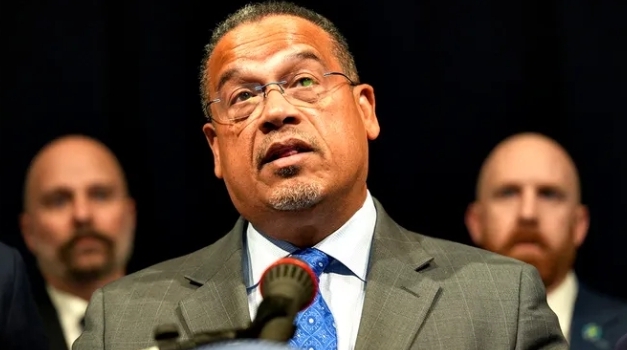
Minnesota Attorney General Keith Ellison has ignited fresh controversy after openly boasting to Democratic National Committee activists that he has sued the Trump administration more than 50 times—and has no intention of slowing down. The remarks, made during a virtual DNC call, underscore how aggressively Ellison views his role in opposing President Donald Trump’s agenda through the courts.
“You can count on me,” Ellison told party activists, positioning himself as a legal bulwark against the administration and signaling that Minnesota will remain on the front lines of what has become an increasingly partisan judicial battlefield.
Turning the Courts Into a Political Front
Ellison’s comments are striking not just for their tone, but for what they reveal about the evolving nature of American governance. State attorneys general, once largely behind-the-scenes legal figures, have transformed into high-profile political actors, using lawsuits as a primary weapon against administrations they oppose.
In Ellison’s case, litigation has become a defining feature of his tenure. From immigration and environmental regulations to healthcare policy, energy development, and federal authority, Ellison’s office has repeatedly challenged Trump-era policies—often joining multistate coalitions led by Democratic attorneys general.
Supporters argue that this strategy is essential to defending states’ rights and checking executive overreach. Critics, however, say it amounts to lawfare—the weaponization of the judicial system to obstruct an elected president’s agenda when political avenues fail.
Playing to the Base
Ellison’s choice to make these remarks directly to DNC activists has raised eyebrows among critics who argue that an attorney general should be focused on impartial enforcement of the law, not partisan applause lines. By framing his lawsuits as a badge of honor, Ellison appeared to blur the line between legal duty and political activism.
To his supporters, the message was energizing. It portrayed Ellison as a fighter willing to stand up to Washington and resist policies they view as harmful or unconstitutional.
To opponents, it confirmed long-held suspicions that these lawsuits are less about legal merit and more about scoring political points and appeasing the Democratic base.
The Cost to Taxpayers
Beyond the political theater lies a more practical concern: cost. Litigation against the federal government is expensive, time-consuming, and often drags on for years. Critics argue that Minnesota taxpayers are footing the bill for a never-ending stream of lawsuits that may produce little tangible benefit for ordinary residents.
Each legal challenge requires teams of attorneys, extensive filings, and prolonged court battles—resources that could otherwise be spent on fighting violent crime, combating fraud, or addressing local issues directly affecting Minnesotans.
Ellison and his defenders counter that the cost of not fighting would be higher, claiming federal policies could inflict long-term economic, environmental, or social damage if left unchallenged.
A Broader National Trend
Ellison’s remarks also reflect a broader national reality: the courts have become one of the most powerful arenas for political conflict. Just as Republican attorneys general aggressively sued Democratic administrations in the past, Democratic AGs like Ellison are now returning the favor with equal intensity.
This tit-for-tat approach has fueled concerns that governance is increasingly being decided by judges rather than legislators, deepening polarization and eroding public trust in both institutions.
What Comes Next
By publicly pledging to continue his legal crusade, Ellison has made clear that Minnesota will remain a key player in resisting the Trump administration’s policies. Whether these lawsuits ultimately succeed or fail, the message is unmistakable: the legal war is far from over.
As Trump advances his agenda and state officials like Ellison escalate their courtroom challenges, Americans are left to grapple with a fundamental question—are these lawsuits a necessary defense of democracy, or a dangerous normalization of partisan warfare through the courts?


Fans Are Not Ready for These 7 Oiled and Drenched Serena Williams Private Beach Photos – No One Could Believe the Moment Ocean Waves Tore Her Top Off, Revealing Nothing Worn Underneath, but What Fans Could Not Stop Staring At Is the Photo of When the Waves Hit Her Backside and Shifted the Underwear Revealing a Big…

The Queen is back. A special moment as Vicky Mboko shares the court with Serena Williams at Queen’s Club. From inspiration to partnership, they’ll team up in doubles as Serena begins her long-awaited comeback journey.

Serena Williams Retires But The Court Calls Her Back Four Years Later At Age 44 The Tennis Legend Returns To Queen’s Club And Fans Everywhere Are Losing It Click the link To See Why This Comeback Has The World Talking

Serena and Simone Did What No One Thought Possible. The Last One Will Give You Chills

Serena Williams holding a bold sign: Do you still love me? Yes? Click below to check her stunning picture

Serena Williams is done with tennis, but she’s just getting started — and her next chapter might be even more powerful than her last.

Country music icons have teamed up in an unprecedented “super legend alliance” to bring back the heart, soul, and future of authentic country music.

Country music icons Willie Nelson, Dolly Parton, George Strait, Alan Jackson, Blake Shelton, Luke Bryan, and Trace Adkins have teamed up in an unprecedented “super legend alliance” to bring back the heart, soul, and future of authentic country music.

Serena Williams just broke the internet AGAIN – fans can’t stop talking and the comments are WILD. You won’t believe what has everyone obsessed. Tap to see why this post is blowing up right now – you’ll want to weigh in!

Look at 4 Serena Williams’ private video that dazzled everyone – goat Serena Williams Forgot to Turn It Off Revealing What She Does to Herself Without Underwear Before Sleeping, See Video before it is Completely gone

Serena and Venus Williams didn’t just win 30 Grand Slams—they broke barriers, changed tennis forever, and inspired millions to believe that no court, no rule, no doubt can stop a legacy built on power and sisterhood.
