NEWS
US President Donald Trump warned Iran’s supreme leader should be “very worried,” as both sides prepare for their first formal negotiations since the US bombed Tehran’s nuclear program last year.

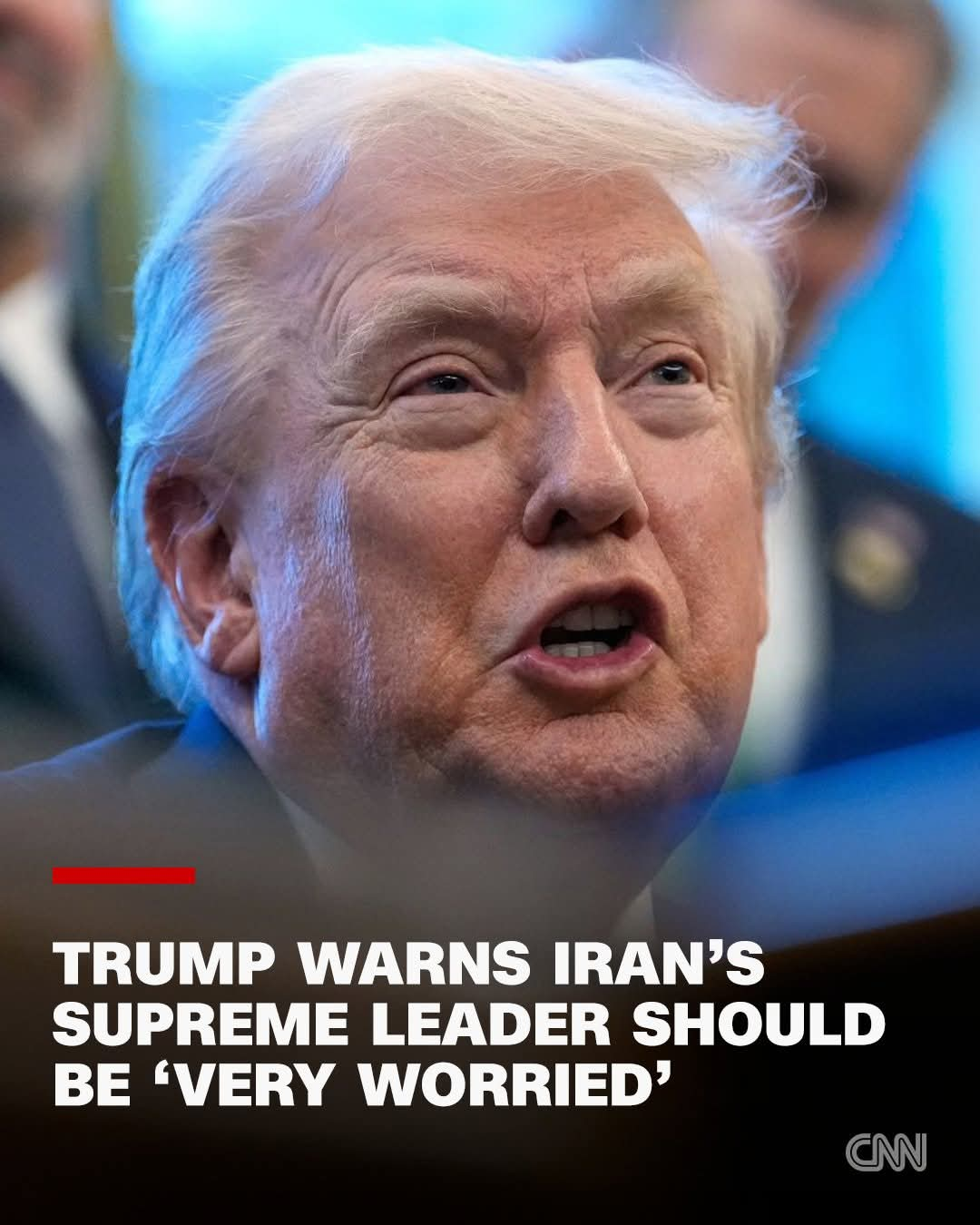
Trump Warns Iran’s Supreme Leader Ahead of First High-Stakes Nuclear Talks Since US Strikes
The fragile balance between Washington and Tehran is once again under intense scrutiny after US President Donald Trump issued a stark warning to Iran’s supreme leader, saying he should be “very worried,” as both countries prepare for their first formal negotiations since the United States bombed Iran’s nuclear facilities last year.
The comments come at a critical moment in US–Iran relations, which have remained deeply strained since the airstrikes that targeted Tehran’s nuclear program. Those strikes, carried out amid claims that Iran was accelerating weapons-grade enrichment, marked one of the most dramatic escalations between the two nations in decades.
Now, diplomats from both sides are preparing to sit across the table for talks that many analysts describe as a last opportunity to prevent further confrontation. While officials have not publicly disclosed the agenda, sources familiar with the discussions say the focus will center on nuclear restrictions, sanctions relief, and regional security guarantees.
President Trump’s warning underscores the pressure the United States is placing on Iran as negotiations approach.
Speaking to reporters, Trump framed the talks as a test of Iran’s intentions, insisting that Tehran must abandon any ambition of nuclear weapons or face “serious consequences.” The rhetoric signals that Washington is entering negotiations from a position of strength, while making clear that military options remain on the table.
In Tehran, the response has been defiant but cautious. Iranian officials have repeatedly condemned last year’s bombing as a violation of international law, while also signaling willingness to negotiate if the talks respect Iran’s sovereignty and lead to meaningful sanctions relief.
Hardliners within the country remain skeptical, arguing that past agreements failed to protect Iran from US pressure.
International observers warn that the upcoming negotiations carry enormous stakes. A successful diplomatic breakthrough could stabilize the Middle East, ease tensions in global energy markets, and reduce the risk of a wider conflict. Failure, however, could trigger renewed military action or accelerate Iran’s nuclear activities, drawing in regional powers and allies.
As both sides prepare for talks under the shadow of past violence and ongoing mistrust, the world watches closely. Whether these negotiations mark the beginning of de-escalation or simply a pause before the next crisis may depend on how far each side is willing to compromise — and how seriously they take the warnings now shaping the tone of diplomacy.


Fans Are Not Ready for These 7 Oiled and Drenched Serena Williams Private Beach Photos – No One Could Believe the Moment Ocean Waves Tore Her Top Off, Revealing Nothing Worn Underneath, but What Fans Could Not Stop Staring At Is the Photo of When the Waves Hit Her Backside and Shifted the Underwear Revealing a Big…

The Queen is back. A special moment as Vicky Mboko shares the court with Serena Williams at Queen’s Club. From inspiration to partnership, they’ll team up in doubles as Serena begins her long-awaited comeback journey.

Serena Williams Retires But The Court Calls Her Back Four Years Later At Age 44 The Tennis Legend Returns To Queen’s Club And Fans Everywhere Are Losing It Click the link To See Why This Comeback Has The World Talking

Serena and Simone Did What No One Thought Possible. The Last One Will Give You Chills

Serena Williams holding a bold sign: Do you still love me? Yes? Click below to check her stunning picture

Serena Williams is done with tennis, but she’s just getting started — and her next chapter might be even more powerful than her last.

Country music icons have teamed up in an unprecedented “super legend alliance” to bring back the heart, soul, and future of authentic country music.

Country music icons Willie Nelson, Dolly Parton, George Strait, Alan Jackson, Blake Shelton, Luke Bryan, and Trace Adkins have teamed up in an unprecedented “super legend alliance” to bring back the heart, soul, and future of authentic country music.

Serena Williams just broke the internet AGAIN – fans can’t stop talking and the comments are WILD. You won’t believe what has everyone obsessed. Tap to see why this post is blowing up right now – you’ll want to weigh in!

Look at 4 Serena Williams’ private video that dazzled everyone – goat Serena Williams Forgot to Turn It Off Revealing What She Does to Herself Without Underwear Before Sleeping, See Video before it is Completely gone

Serena and Venus Williams didn’t just win 30 Grand Slams—they broke barriers, changed tennis forever, and inspired millions to believe that no court, no rule, no doubt can stop a legacy built on power and sisterhood.
