CELEBRITY
Do Americans Miss the Obama Years? Reflecting on Leadership, Legacy, Unity, and the Lasting Impact of Barack and Michelle Obama on Modern American Politics

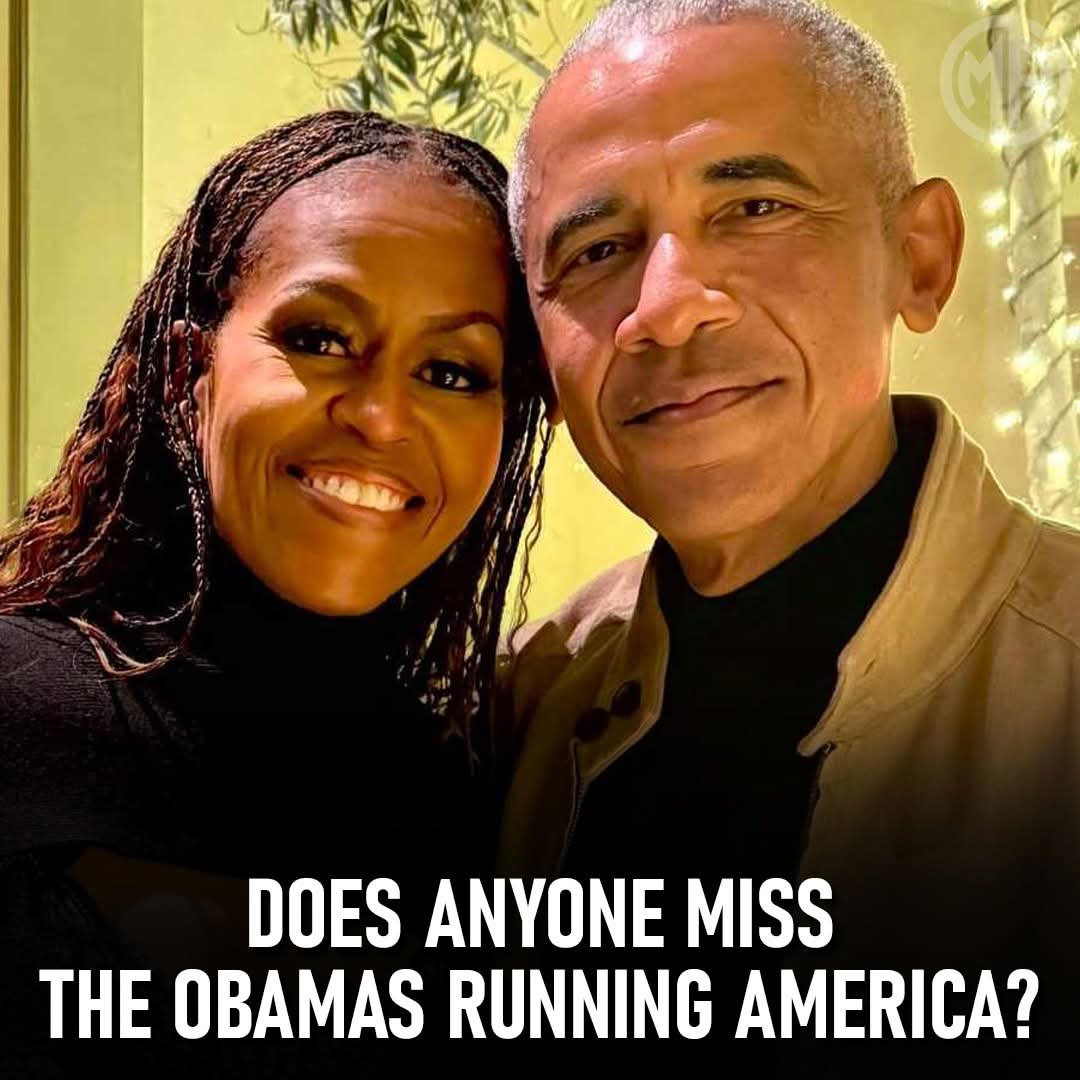
Do Americans Miss the Obama Years? A Look Back at Leadership, Legacy, and Lasting Impact
More than a decade after the historic rise of Barack Obama to the presidency, many Americans still debate what his time in office truly meant for the country. Was it a period of unity and progress? Or a chapter that sparked deep divisions still felt today?
From 2009 to 2017, Obama led the nation through one of the most challenging economic crises in modern history.
Inheriting the fallout of the 2008 financial collapse, his administration focused heavily on economic recovery. Supporters credit his policies with stabilizing markets, reviving the auto industry, and overseeing a steady decline in unemployment over the course of his two terms.
Perhaps the most defining domestic achievement of his presidency was the passage of the Affordable Care Act (ACA), often referred to as Obamacare. The legislation expanded healthcare access to millions of Americans, though it also became one of the most politically polarizing reforms in recent history.
For many families, it meant coverage for pre-existing conditions and access to preventive care. For critics, it represented government overreach and rising premiums.
Beyond policy, the Obama years carried deep symbolic weight. As the first African American president in U.S. history, Obama’s election marked a transformative cultural moment. Alongside First Lady Michelle Obama, the White House projected an image of poise, intellectualism, and global diplomacy. Michelle Obama’s advocacy for education, military families, and healthy living initiatives further amplified the administration’s influence beyond politics.
On the international stage, Obama emphasized multilateral diplomacy. His administration helped broker the Paris Climate Agreement, restored diplomatic relations with Cuba, and pursued negotiations with Iran over nuclear development. Critics, however, argued that some foreign policy decisions projected weakness rather than strength.
Today, nostalgia for the Obama era often centers less on specific policies and more on tone. Supporters recall a sense of stability, measured rhetoric, and aspirational messaging rooted in themes of hope and unity. Critics remember intense partisan gridlock and cultural tensions that grew more visible during his presidency.
So, do Americans miss the Obama years? The answer largely depends on political perspective, personal experience, and values. For some, it represents a time of inspiration and global respect. For others, it was a period of policies they strongly opposed.
What is undeniable is that the Obama presidency remains one of the most consequential and widely discussed chapters in modern American history — a legacy that continues to shape political discourse today.


Fans Are Not Ready for These 7 Oiled and Drenched Serena Williams Private Beach Photos – No One Could Believe the Moment Ocean Waves Tore Her Top Off, Revealing Nothing Worn Underneath, but What Fans Could Not Stop Staring At Is the Photo of When the Waves Hit Her Backside and Shifted the Underwear Revealing a Big…

The Queen is back. A special moment as Vicky Mboko shares the court with Serena Williams at Queen’s Club. From inspiration to partnership, they’ll team up in doubles as Serena begins her long-awaited comeback journey.

Serena Williams Retires But The Court Calls Her Back Four Years Later At Age 44 The Tennis Legend Returns To Queen’s Club And Fans Everywhere Are Losing It Click the link To See Why This Comeback Has The World Talking

Serena and Simone Did What No One Thought Possible. The Last One Will Give You Chills

Serena Williams holding a bold sign: Do you still love me? Yes? Click below to check her stunning picture

Serena Williams is done with tennis, but she’s just getting started — and her next chapter might be even more powerful than her last.

Country music icons have teamed up in an unprecedented “super legend alliance” to bring back the heart, soul, and future of authentic country music.

Country music icons Willie Nelson, Dolly Parton, George Strait, Alan Jackson, Blake Shelton, Luke Bryan, and Trace Adkins have teamed up in an unprecedented “super legend alliance” to bring back the heart, soul, and future of authentic country music.

Serena Williams just broke the internet AGAIN – fans can’t stop talking and the comments are WILD. You won’t believe what has everyone obsessed. Tap to see why this post is blowing up right now – you’ll want to weigh in!

Look at 4 Serena Williams’ private video that dazzled everyone – goat Serena Williams Forgot to Turn It Off Revealing What She Does to Herself Without Underwear Before Sleeping, See Video before it is Completely gone

Serena and Venus Williams didn’t just win 30 Grand Slams—they broke barriers, changed tennis forever, and inspired millions to believe that no court, no rule, no doubt can stop a legacy built on power and sisterhood.
