CELEBRITY
Strength, Security, and Sovereignty: The Ongoing Debate Over What “America First” Really Means for the Nation’s Future 🇺🇸

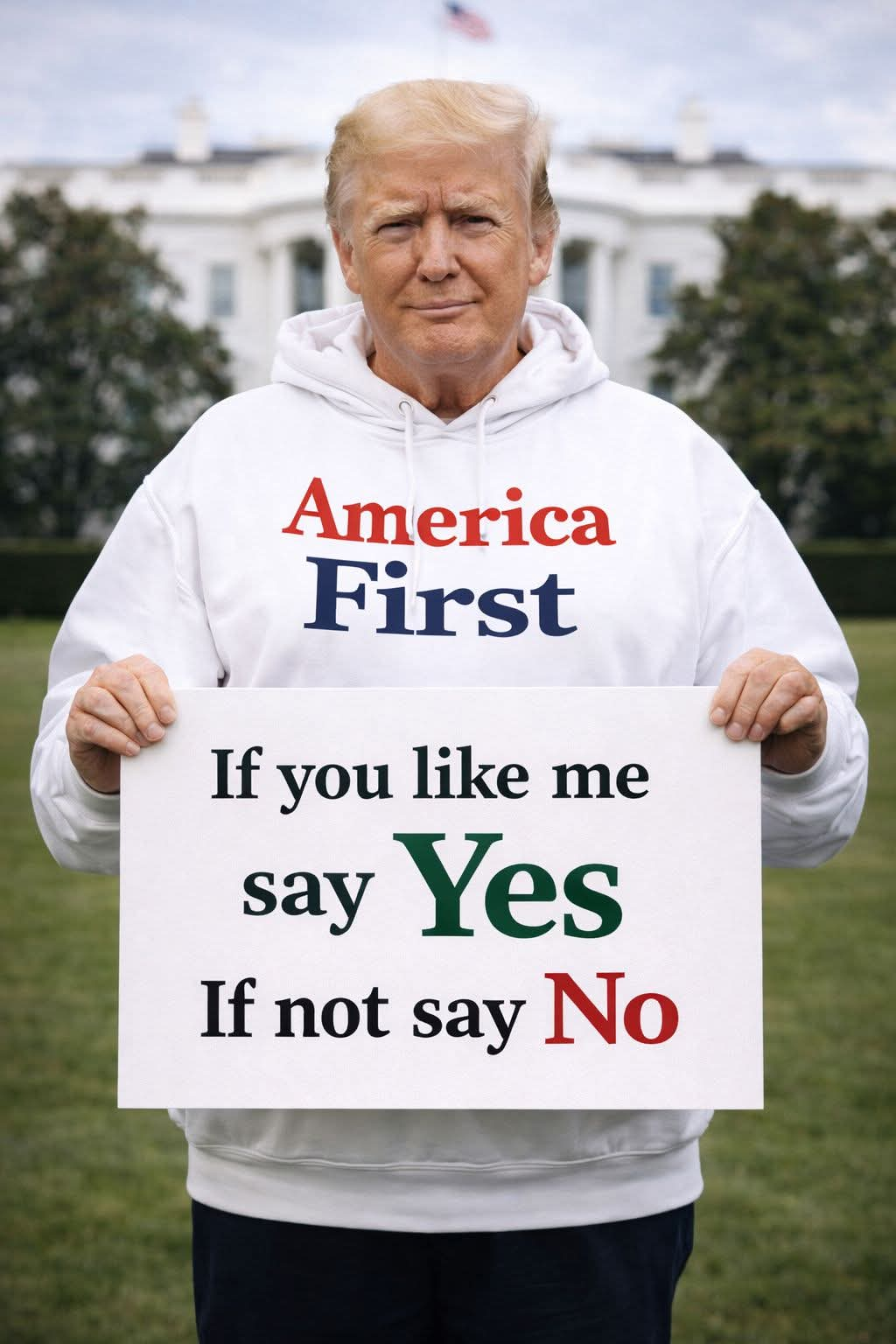
In today’s political climate, few phrases spark as much passion — or division — as “America First.” For supporters, it represents a return to strength, sovereignty, and national pride. For critics, it raises questions about global responsibility and inclusion. But at its core, the message resonates because it speaks to something fundamental: the desire for security, stability, and opportunity at home.
Advocates of a strength-focused agenda argue that a nation’s first duty is to its own citizens. That means prioritizing border security, enforcing laws, supporting law enforcement, and maintaining a military capable of deterring threats abroad. In their view, a secure nation is the foundation upon which prosperity is built. Without safety, economic growth and freedom cannot flourish.
Security, supporters say, extends beyond physical borders. It includes economic security — protecting domestic industries, encouraging job creation within the country, and negotiating trade agreements that benefit American workers. The belief is simple: when citizens thrive, the nation thrives.
The phrase “America First” also emphasizes sovereignty. Proponents argue that international agreements and global institutions should never override national interests. They believe foreign policy decisions must be guided by what strengthens the country economically, strategically, and culturally.
Critics, however, caution that an inward focus can strain alliances and reduce cooperation on global challenges such as climate change, trade stability, and security partnerships. They argue that leadership on the world stage often requires collaboration and compromise.
The debate ultimately centers on balance. How does a nation remain strong at home while engaged abroad? How does it protect its borders without closing itself off? How does it prioritize citizens while maintaining global partnerships?
What is clear is that strength and security remain powerful themes in American political discourse. They tap into a widespread desire for stability during uncertain times. Whether one fully embraces the “America First” approach or prefers a different vision, the conversation reflects a broader question facing the country: What should national strength look like in the modern world?
As voters and citizens continue to weigh these ideas, the discussion is unlikely to fade. In a divided era, the call for clarity — and choice — remains at the heart of the debate.


Fans Are Not Ready for These 7 Oiled and Drenched Serena Williams Private Beach Photos – No One Could Believe the Moment Ocean Waves Tore Her Top Off, Revealing Nothing Worn Underneath, but What Fans Could Not Stop Staring At Is the Photo of When the Waves Hit Her Backside and Shifted the Underwear Revealing a Big…

The Queen is back. A special moment as Vicky Mboko shares the court with Serena Williams at Queen’s Club. From inspiration to partnership, they’ll team up in doubles as Serena begins her long-awaited comeback journey.

Serena Williams Retires But The Court Calls Her Back Four Years Later At Age 44 The Tennis Legend Returns To Queen’s Club And Fans Everywhere Are Losing It Click the link To See Why This Comeback Has The World Talking

Serena and Simone Did What No One Thought Possible. The Last One Will Give You Chills

Serena Williams holding a bold sign: Do you still love me? Yes? Click below to check her stunning picture

Serena Williams is done with tennis, but she’s just getting started — and her next chapter might be even more powerful than her last.

Country music icons have teamed up in an unprecedented “super legend alliance” to bring back the heart, soul, and future of authentic country music.

Country music icons Willie Nelson, Dolly Parton, George Strait, Alan Jackson, Blake Shelton, Luke Bryan, and Trace Adkins have teamed up in an unprecedented “super legend alliance” to bring back the heart, soul, and future of authentic country music.

Serena Williams just broke the internet AGAIN – fans can’t stop talking and the comments are WILD. You won’t believe what has everyone obsessed. Tap to see why this post is blowing up right now – you’ll want to weigh in!

Look at 4 Serena Williams’ private video that dazzled everyone – goat Serena Williams Forgot to Turn It Off Revealing What She Does to Herself Without Underwear Before Sleeping, See Video before it is Completely gone

Serena and Venus Williams didn’t just win 30 Grand Slams—they broke barriers, changed tennis forever, and inspired millions to believe that no court, no rule, no doubt can stop a legacy built on power and sisterhood.
