NEWS
A bipartisan group of 47 lawmakers is demanding Donald Trump’s resignation after a leaked memo allegedly accuses him of interfering with U.S. military operations for political gain. Trump denies the claims, but bipartisan concern and Watergate comparisons are intensifying.

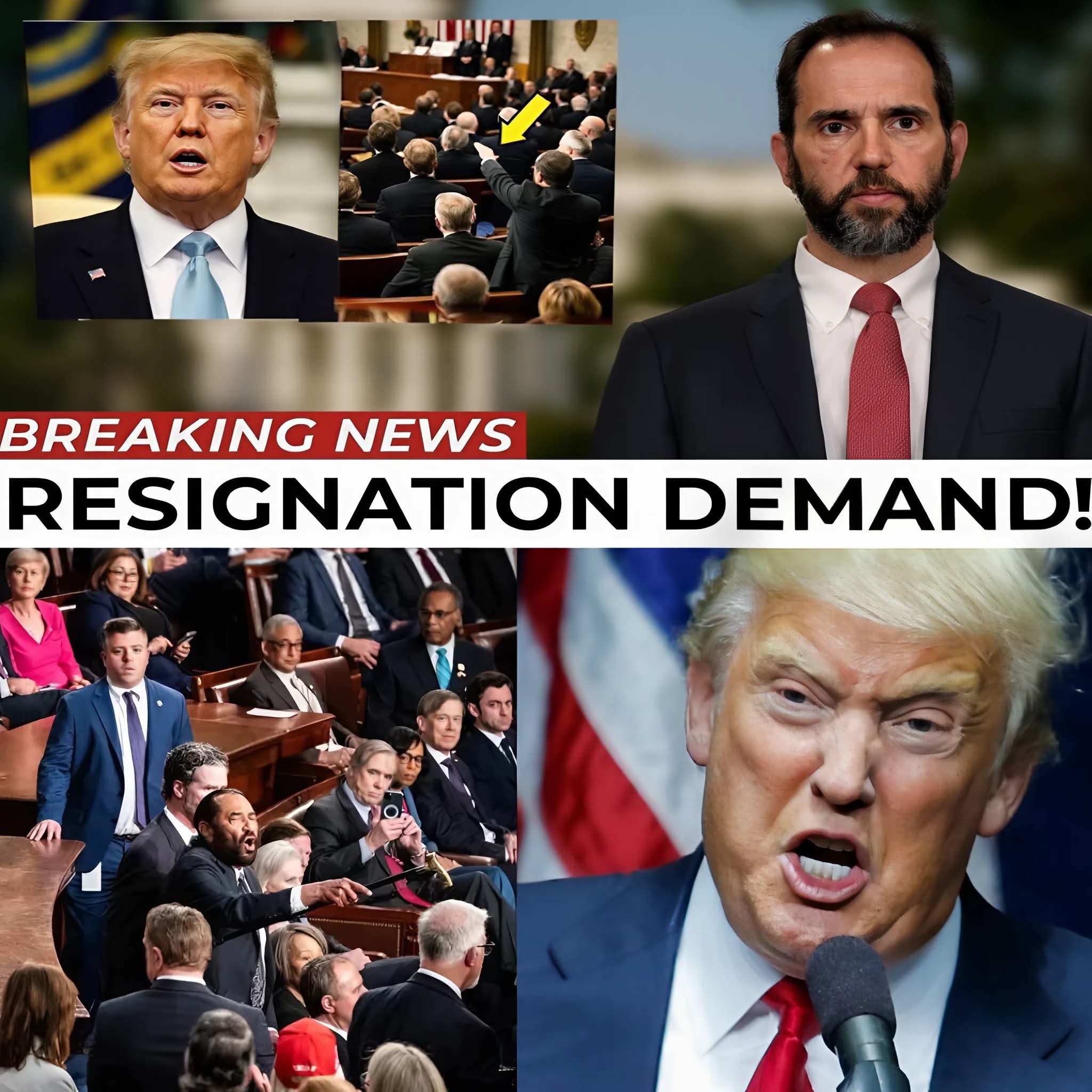
Washington, D.C. was thrust into political turmoil today after reports emerged that a bipartisan group of 47 members of Congress formally demanded Donald Trump’s immediate resignation, triggering a firestorm that has consumed Capitol Hill and sent shockwaves across the nation.
At the center of the controversy is a leaked classified memo that lawmakers say raises alarming questions about national security and presidential conduct. According to multiple accounts, the memo alleges that Trump interfered with active U.S. military operations, purportedly delaying key defense authorizations in order to extract public political support from senior military leaders. If substantiated, legal experts warn the allegations could represent one of the most serious abuses of executive power in modern American history.
A Closed-Door Review, an Open Crisis
Members of the House Armed Services Committee and the House Foreign Affairs Committee reportedly reviewed the classified document inside a secure facility earlier today. Lawmakers exiting the briefing described the atmosphere as tense and deeply troubling. Several sources familiar with the discussion said the evidence presented was characterized as “credible” and “deeply concerning,” prompting immediate calls for accountability.
The political temperature rose dramatically when Representative Michael McCaul, a Republican and senior committee chairman, took the House floor and read the resignation demand aloud. In a moment that stunned both parties, McCaul reportedly stated that he could not, in good conscience, remain silent while allegations suggested U.S. national security was being placed at risk.
The move marked a rare and significant break from party unity, signaling that the crisis may be cutting far deeper than traditional partisan divides.
Legal and Historical Implications
Constitutional scholars and former federal prosecutors across the political spectrum have weighed in, warning that the allegations—if proven—could expose Trump to serious legal jeopardy. Interfering with military operations for personal or political gain could potentially violate multiple federal statutes, in addition to raising constitutional red flags related to abuse of power.
Several commentators have already drawn comparisons to Watergate, noting that the defining moment in that scandal came when members of the president’s own party began to publicly break ranks. While experts caution against premature conclusions, many agree that the situation represents a pivotal test for democratic norms and congressional oversight.
Trump’s Furious Response
Trump has responded with vehement denials, dismissing the reports as a “fabricated hoax” and accusing both Democrats and dissenting Republicans of orchestrating a coordinated political attack. In statements released through allies, Trump insisted that he never compromised military readiness and described the allegations as an attempt to undermine his influence and legacy.
He has also sharply criticized Republicans who supported the resignation demand, labeling them disloyal and accusing them of capitulating to political pressure.
What Comes Next
As of now, it remains unclear whether the resignation demand will translate into formal impeachment proceedings or criminal investigations. Congressional leaders are reportedly discussing next steps, while intelligence and defense officials remain tight-lipped due to the classified nature of the memo.
What is clear, however, is that Washington has entered a period of extraordinary uncertainty. With bipartisan pressure mounting, legal scrutiny intensifying, and public attention fixed on Capitol Hill, the political fallout from this episode may only be beginning.
Whether this moment becomes a footnote or a turning point in American political history will depend on what the evidence ultimately reveals—and how Congress chooses to act in the days ahead


BREAKING NEWS: Do Americans Approve of Trump’s Way of Ruling? Public Opinion Splits as Debate Over His Leadership Style Resurfaces

‘WE GOT HIM!’: President Trump announced on Truth Social that U.S. forces carried out one of the most daring search-and-rescue missions in history, successfully recovering a senior officer who had been behind enemy lines in Iran.

“Andy Reid: ‘I Would Never Bet Against’ Patrick Mahomes Returning for Week 1 of 2026 Season”

Serena Williams shares a deep message for fans worldwide… Now people everywhere are reacting in a big way….

BREAKING: Trump Fires Attorney General Pam Bondi in Major Cabinet Shakeup Amid Iran War Tensions

See Serena Williams in Spicy Wet Red Barely-There Never-Before-Seen Mouth-Watering Photos: Fans Lose It When the Red Dress Couldn’t Hold Her Melons and Dropped and Revealed Her Giant…

See Serena Williams in Spicy Wet Red Barely-There Never-Before-Seen Mouth-Watering Photos: Fans Lose It When the Red Dress Couldn’t Hold Her Melons and Dropped and Revealed Her Giant…

The Goat ! Serena Williams at the vanity fair Oscar party …..

Fans have to check in : New 17 Serena Williams hot bikinis pictures
Hot Serena Williams bikini photos: 🎾 Serena Williams is embracing her new look and shutting down the noise. The tennis legend recently shared photos in bikinis

Fans Weren’t Ready for What Serena Williams Revealed While Trying on a Bikini in Her Wardrobe…