CELEBRITY
After Receiving Immense Hate for Her Body, Serena Williams Decided to Shut Down Naysayers in Style With a ‘Classy and Not Trampy’ Cover Photo in …

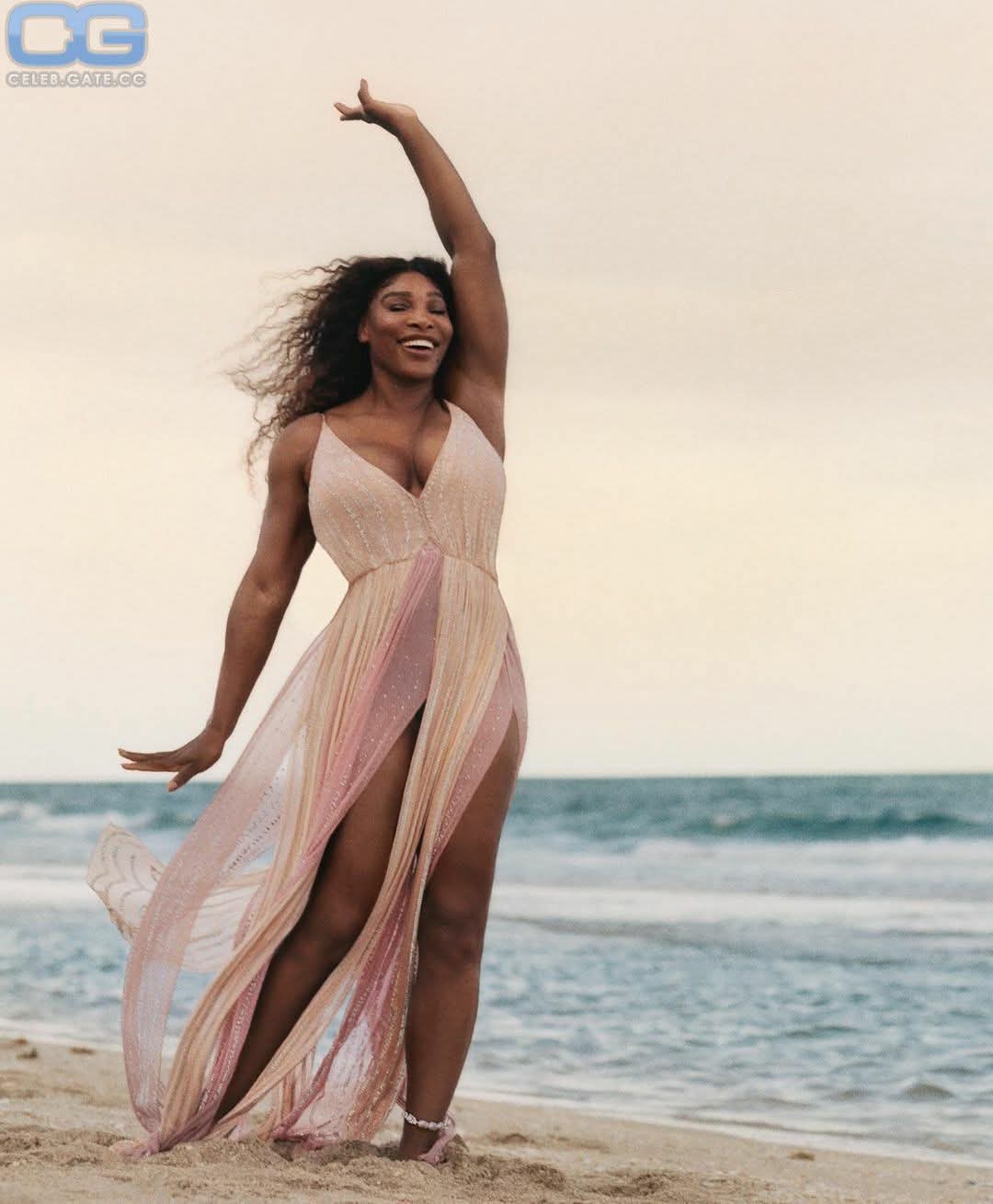
Serena Williams Turned Body Criticism Into a Powerful Statement With Her Body Issue Cover
For much of her career, Serena Williams has been celebrated for her dominance on the court — and unfairly scrutinized for her powerful physique off it. As one of the most accomplished athletes in tennis history, the 23-time Grand Slam singles champion transformed the women’s game with strength, speed, and mental toughness. Yet alongside the trophies and accolades came relentless commentary about her body.
Instead of allowing criticism to define her, Serena chose to redefine the narrative herself.
In 2009, she appeared nude on the cover of ESPN The Magazine as part of its annual “Body Issue,” a feature designed to celebrate athletic form across different sports. For Serena, the shoot wasn’t about shock value — it was about ownership.
During a press conference at the China Open in Beijing, she explained that she felt honored when approached for the cover. The magazine told her she had a “great body,” and she was flattered. But she made one thing clear: if she was going to pose nude, it had to reflect her standards.
“I wanted to do it really classy and not trampy,” she said at the time. “I thought it was a really tasteful picture … I love it.”
The final image captured exactly that — elegance, strength, and confidence. With a poised smile and bold red lipstick, Serena presented herself not as a target of criticism, but as a woman fully in control of her image. The cover became a cultural moment, symbolizing body confidence in a world that often polices female athletes for looking “too strong” or “too different.”
Throughout her career, Serena has consistently challenged narrow definitions of beauty and femininity. From bold on-court fashion choices to high-profile magazine features, she has used visibility as a form of empowerment. Her appearance in the Body Issue reinforced a broader message: athleticism is beautiful, and women should never have to apologize for their strength.
More than a decade later, the impact of that cover still resonates. It stands as a reminder that confidence can be the most powerful response to criticism — and that sometimes, the strongest statement is simply standing proudly in your own skin.


BREAKING NEWS: Do Americans Approve of Trump’s Way of Ruling? Public Opinion Splits as Debate Over His Leadership Style Resurfaces

‘WE GOT HIM!’: President Trump announced on Truth Social that U.S. forces carried out one of the most daring search-and-rescue missions in history, successfully recovering a senior officer who had been behind enemy lines in Iran.

“Andy Reid: ‘I Would Never Bet Against’ Patrick Mahomes Returning for Week 1 of 2026 Season”

Serena Williams shares a deep message for fans worldwide… Now people everywhere are reacting in a big way….

BREAKING: Trump Fires Attorney General Pam Bondi in Major Cabinet Shakeup Amid Iran War Tensions

See Serena Williams in Spicy Wet Red Barely-There Never-Before-Seen Mouth-Watering Photos: Fans Lose It When the Red Dress Couldn’t Hold Her Melons and Dropped and Revealed Her Giant…

See Serena Williams in Spicy Wet Red Barely-There Never-Before-Seen Mouth-Watering Photos: Fans Lose It When the Red Dress Couldn’t Hold Her Melons and Dropped and Revealed Her Giant…

The Goat ! Serena Williams at the vanity fair Oscar party …..

Fans have to check in : New 17 Serena Williams hot bikinis pictures
Hot Serena Williams bikini photos: 🎾 Serena Williams is embracing her new look and shutting down the noise. The tennis legend recently shared photos in bikinis

Fans Weren’t Ready for What Serena Williams Revealed While Trying on a Bikini in Her Wardrobe…