CELEBRITY
DOJ announces the release of 3 million pages of Epstein files, reportedly including 180,000 photos and 2,000 videos.

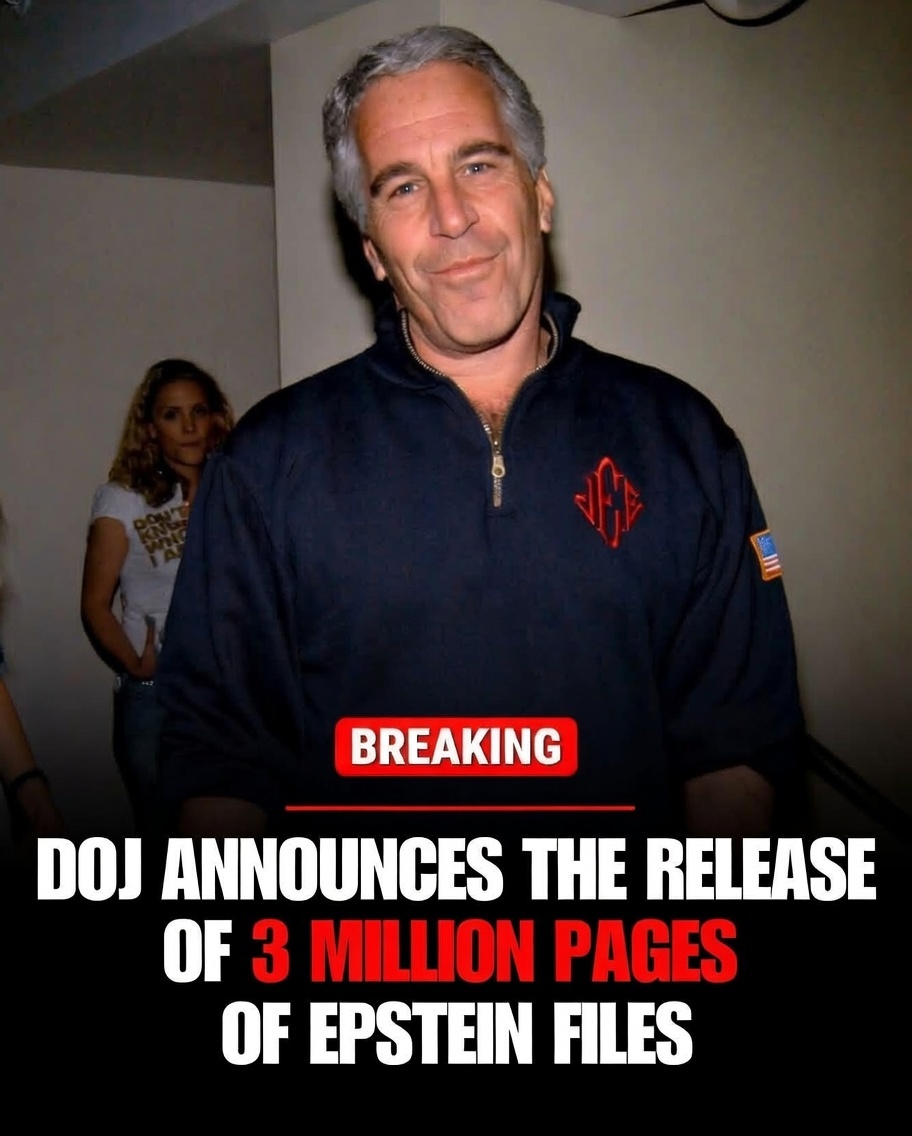
The U.S. Department of Justice’s announcement that it will release approximately 3 million pages connected to the Jeffrey Epstein investigation—reportedly including around 180,000 photographs and 2,000 videos—has sent shockwaves across the country and beyond. The sheer scale of the disclosure is staggering, and the implications could be historic. For a case that has long symbolized unanswered questions, perceived double standards, and the frustration of victims seeking justice, this moment represents a turning point many believed would never come.
For years, Epstein’s name has been synonymous with power without consequence. Despite serious allegations and prior convictions, the broader network of individuals who may have enabled, benefited from, or ignored abuse has remained largely obscured. The DOJ’s decision to unseal such an immense volume of material signals that the era of silence surrounding this case may be drawing to a close.
Why This Release Matters
This is not simply a routine document disclosure. Three million pages suggests decades of records—investigative notes, correspondence, financial trails, travel logs, interviews, evidence catalogs, and internal communications.
If authenticated and responsibly examined, these materials could provide the most comprehensive picture yet of how Epstein operated, how institutions responded, and where failures occurred.
Equally significant is what this release represents symbolically: a test of whether the justice system is willing and able to confront cases involving wealth, influence, and elite connections with the same rigor applied to ordinary citizens.
What Could Be Inside the Files?
While officials have not publicly detailed the full contents, reporting indicates the release may include:
Photographic and video evidence logged during investigations
Witness statements and interview transcripts
Flight records, travel itineraries, and visitor logs
Financial documents and transaction histories
Internal agency communications and investigative timelines
It is important to emphasize that the existence of names or materials within files does not automatically imply criminal guilt. Many documents may reference individuals as witnesses, contacts, or tangential figures.
Still, transparency will be critical in allowing the public to distinguish fact from speculation.
The Question of Accountability
At the heart of the public’s interest is one persistent question: Why did it take so long? Epstein’s prior plea deal, the handling of earlier investigations, and the circumstances surrounding his death in custody fueled widespread distrust. Critics argue that institutional deference to power allowed warning signs to be ignored and victims to be sidelined.
This release could finally clarify:
Who made key decisions—and why
Whether investigative leads were pursued or dropped
How prosecutorial discretion was exercised
What systemic reforms may be needed to prevent similar failures
If the documents reveal negligence, misconduct, or preferential treatment, the consequences could extend beyond Epstein’s case to broader reforms within law enforcement and prosecutorial offices.
Centering the Victims
Amid the headlines and speculation, one truth must remain central: this case is about victims.
Survivors have repeatedly called for transparency not as spectacle, but as validation—proof that their experiences were real and that institutions failed them.
A responsible release must balance the public’s right to know with the need to protect victims’ identities and dignity. Redactions, context, and ethical reporting will be essential to ensure that exposure does not become exploitation.
The Risks of Misinformation
A disclosure of this magnitude also carries risks. Bad actors may cherry-pick documents, misrepresent context, or weaponize incomplete information for political or personal agendas.
The public will need to approach revelations critically, relying on corroborated reporting rather than viral claims.
Journalists, researchers, and legal experts will play a crucial role in:
Verifying authenticity
Explaining legal context
Separating allegation from evidence
Correcting false narratives as they emerge
What Happens Next?
The release process is expected to unfold over time, not all at once. As documents are reviewed, redacted where legally required, and made public, the story will evolve in stages. Each phase may bring new revelations—and new questions.
Possible next steps include:
Congressional inquiries or hearings
Renewed civil litigation
Internal reviews within federal agencies
Policy proposals aimed at transparency and victim protection
Whether this moment leads to lasting accountability will depend on sustained public attention and institutional follow-through.
A Defining Test for the Justice System
The Epstein case has long stood as a symbol of imbalance—of how power can distort justice. The DOJ’s announcement offers an opportunity to confront that legacy head-on. Transparency alone is not justice, but it is a prerequisite for it.
If handled with integrity, this release could mark a rare moment where truth outweighs influence, and where the system demonstrates that no one—regardless of wealth or status—is beyond scrutiny.


BREAKING NEWS: Do Americans Approve of Trump’s Way of Ruling? Public Opinion Splits as Debate Over His Leadership Style Resurfaces

‘WE GOT HIM!’: President Trump announced on Truth Social that U.S. forces carried out one of the most daring search-and-rescue missions in history, successfully recovering a senior officer who had been behind enemy lines in Iran.

“Andy Reid: ‘I Would Never Bet Against’ Patrick Mahomes Returning for Week 1 of 2026 Season”

Serena Williams shares a deep message for fans worldwide… Now people everywhere are reacting in a big way….

BREAKING: Trump Fires Attorney General Pam Bondi in Major Cabinet Shakeup Amid Iran War Tensions

See Serena Williams in Spicy Wet Red Barely-There Never-Before-Seen Mouth-Watering Photos: Fans Lose It When the Red Dress Couldn’t Hold Her Melons and Dropped and Revealed Her Giant…

See Serena Williams in Spicy Wet Red Barely-There Never-Before-Seen Mouth-Watering Photos: Fans Lose It When the Red Dress Couldn’t Hold Her Melons and Dropped and Revealed Her Giant…

The Goat ! Serena Williams at the vanity fair Oscar party …..

Fans have to check in : New 17 Serena Williams hot bikinis pictures
Hot Serena Williams bikini photos: 🎾 Serena Williams is embracing her new look and shutting down the noise. The tennis legend recently shared photos in bikinis

Fans Weren’t Ready for What Serena Williams Revealed While Trying on a Bikini in Her Wardrobe…