NEWS
DOJ Ends Epstein Document Review With No New Charges as Trump Urges Nation to Move On While Congress Presses Ahead With Separate High-Profile Inquiry

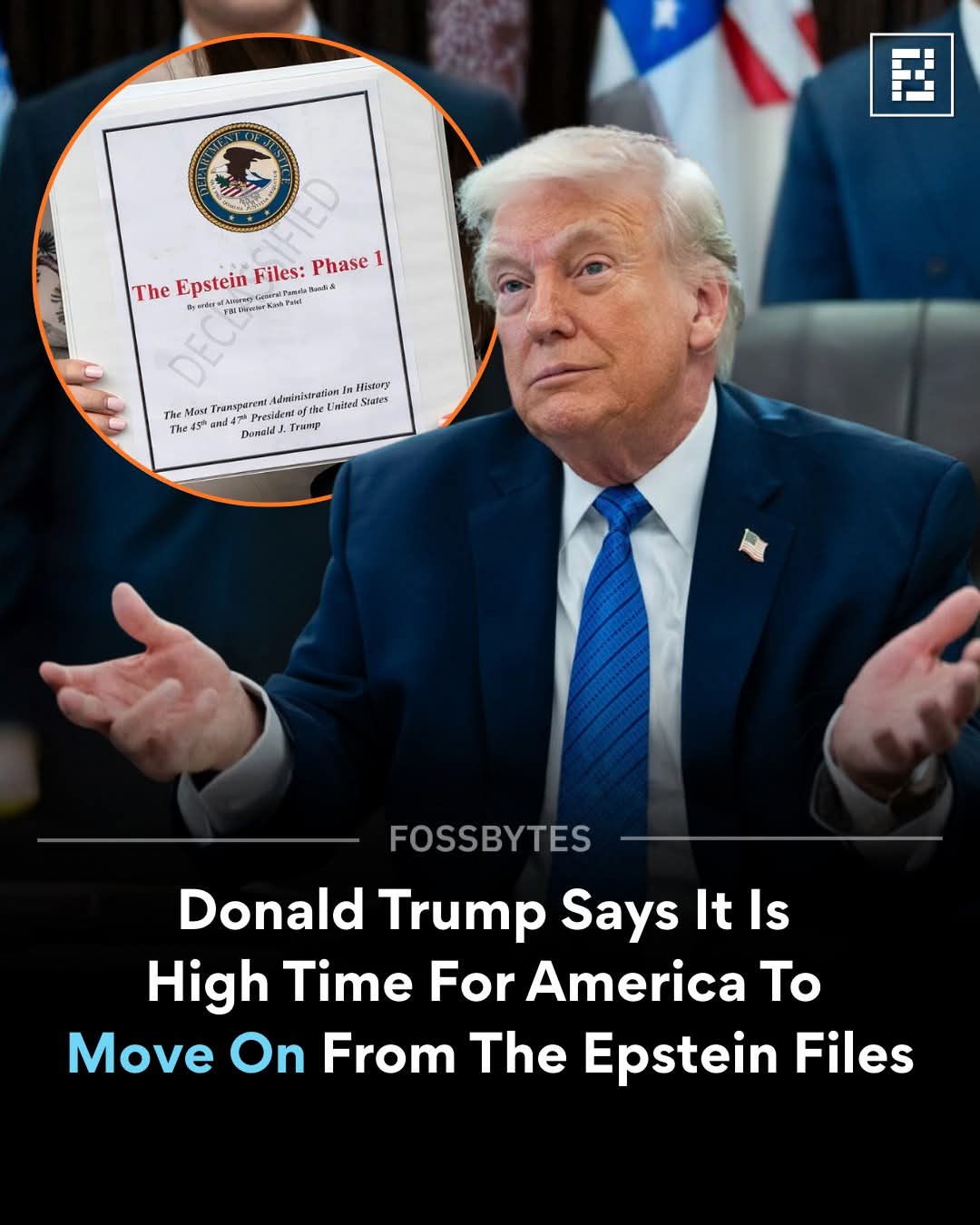
DOJ CLOSES EPSTEIN REVIEW, BUT POLITICAL FALLOUT CONTINUES
The U.S. Department of Justice has officially concluded its review of millions of documents connected to the Jeffrey Epstein sex-trafficking investigation, announcing that the findings do not support any new criminal prosecutions.
Deputy Attorney General Todd Blanche said the review—mandated by a law passed by Congress in November—examined vast amounts of material, including emails, photographs, and written correspondence. According to Blanche, none of the evidence met the legal standard required to bring additional charges.
The announcement immediately reignited national debate over transparency, accountability, and whether powerful individuals have truly been held to account in one of the most controversial criminal cases in modern U.S. history.
Speaking at the White House on Tuesday, President Donald Trump said it was time for the country to move on from the Epstein matter. “I really think it’s time for the country to get on to something else,” he said.
A review by The New York Times reported that Trump’s name appeared more than 38,000 times in the released files. The president dismissed any implication of wrongdoing, stating, “Nothing came out about me.” Trump has repeatedly denied any improper conduct related to Epstein.
Despite the DOJ’s decision to close its review, the case remains alive on Capitol Hill. The House of Representatives is continuing a separate investigation, signaling that lawmakers are not prepared to fully close the chapter. As part of that inquiry, former President Bill Clinton and former Secretary of State Hillary Clinton are scheduled to testify later this month.
For many Americans, the DOJ’s conclusion brings frustration rather than closure. Critics argue that the absence of new prosecutions does little to address lingering questions about Epstein’s network, the extent of elite involvement, and whether justice was ultimately served.
Supporters of the DOJ’s decision counter that exhaustive legal reviews must be guided by evidence—not public anger—and that prosecutions without sufficient proof would undermine the justice system itself.
As the legal process winds down and the political process accelerates, the Epstein case remains a symbol of a larger national reckoning: one that pits demands for accountability against the limits of law, and public suspicion against official conclusions.
The investigation may be ending on paper—but in the court of public opinion, the story is far from over.


Serena Williams shocks the internet after stepping out in an ultra-revealing outfit, igniting fierce debate, viral reactions, and headlines as fans argue fashion freedom versus public shock worldwide. See more here…

Serena William Turns Heads in a sexy white gown — The photos Are breaking the internet

Fans Had to Zoom In Twice—Serena Williams’ Braless Look Sparked Instant Chaos…see …

Fans Had to Zoom In Twice—Serena Williams’ Braless Look Sparked Instant Chaos…see ….

Fans Had to Zoom In Twice—Serena Williams’ Braless Look Sparked Instant Chaos…

BREAKING NEWS: Serena Williams Sparks Internet Meltdown After Warning Fans They’re “Not Ready” for the Truth Behind Her Viral Bikini Photo, Leaving Millions Guessing What the…..

Fans Weren’t Ready for What Serena Williams Revealed While Trying on a Bikini in Her Wardrobe…👇

I Know People Will Be Looking for It Online” — Serena Williams Breaks Silence Over Leaked Pictures….

Happy Birthday to Serena Williams and Her Giant Backside – See 6 Private Hot Bikini Photos Causing Uproar Online, But Why Are Fans Ignoring Photo No. 3 Even Though It Reveals a Clear View of Her Private…

Serena Williams Becomes the Center of a Heated Online Conversation, after a leak photo show her to be…

Serena Williams Becomes the Center of a Heated Online Conversation, after a leak photo show her to be…
