NEWS
Donald trump is using money to cover up cover up is crime

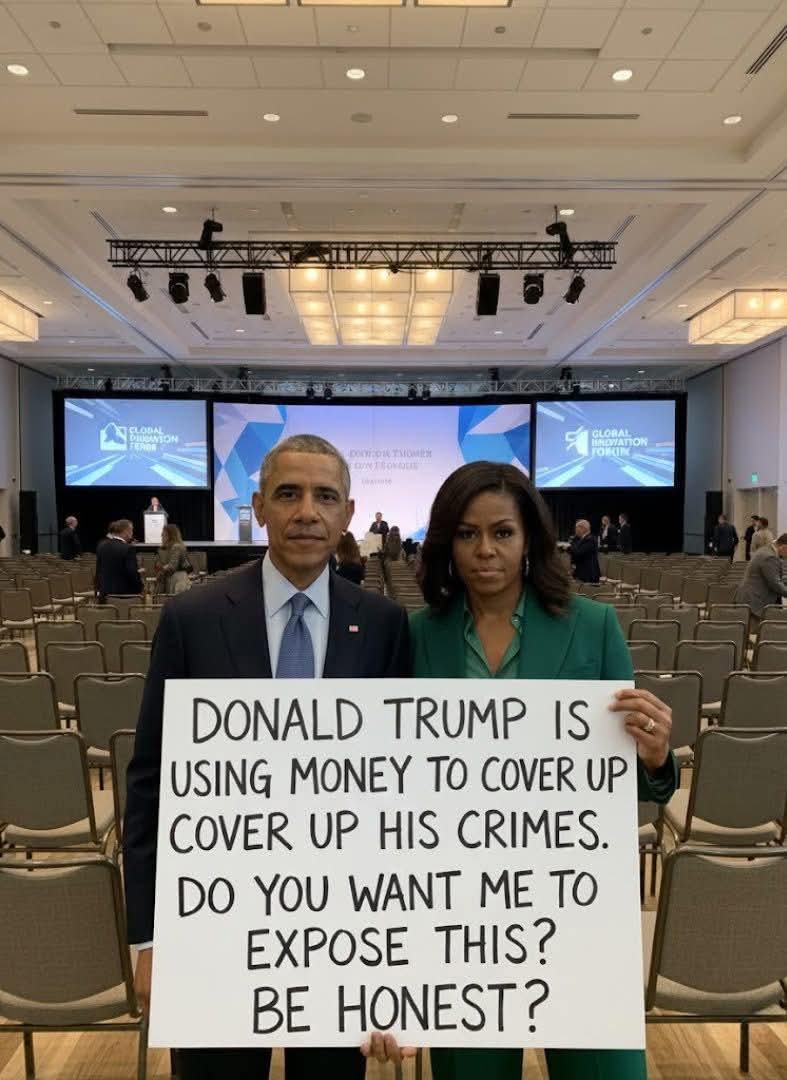
Donald Trump has once again found himself at the center of intense controversy, as critics allege that money has been used to cover up wrongdoing and shield him from legal consequences. These claims have fueled a national debate about power, accountability, and whether wealth can influence justice in America.
Over the years, Trump has faced multiple investigations and legal challenges, ranging from business practices to campaign-related controversies. Central to many of these cases are accusations that financial resources were used to pay off potential witnesses, settle disputes quietly, or fund aggressive legal defenses designed to delay proceedings.
Critics argue that this pattern reflects a broader strategy: use money and influence to control narratives, exhaust opponents, and avoid full accountability.
Supporters of Trump strongly reject these claims, insisting that he is the target of politically motivated attacks. They argue that the legal actions against him are attempts to damage his reputation and derail his political ambitions. According to them, Trump’s use of money is no different from any wealthy individual hiring top legal teams to defend themselves in court.
However, legal experts and watchdog groups warn that the issue goes beyond Trump as an individual. They argue that these allegations highlight a deeper problem within the justice system—one where wealth and power can create unequal outcomes. When legal battles stretch for years due to endless motions and appeals, public confidence in fairness and equality under the law begins to erode.
Public reaction has been sharply divided. Some Americans believe the allegations confirm long-standing concerns about corruption among political elites. Others see them as exaggerated or misleading, driven by media sensationalism and partisan rivalry. Social media has amplified both sides, turning every new development into a viral flashpoint.
As court cases continue and investigations unfold, one question looms large: Can the justice system truly remain impartial when enormous wealth and political influence are involved? Regardless of where opinions fall, the controversy surrounding Donald Trump has reignited an urgent conversation about transparency, accountability, and the limits of power in a democratic society.
The outcome of these cases may not only shape Trump’s future but also set a powerful precedent for how America handles allegations against its most influential figures.


BREAKING NEWS: Do Americans Approve of Trump’s Way of Ruling? Public Opinion Splits as Debate Over His Leadership Style Resurfaces

‘WE GOT HIM!’: President Trump announced on Truth Social that U.S. forces carried out one of the most daring search-and-rescue missions in history, successfully recovering a senior officer who had been behind enemy lines in Iran.

“Andy Reid: ‘I Would Never Bet Against’ Patrick Mahomes Returning for Week 1 of 2026 Season”

Serena Williams shares a deep message for fans worldwide… Now people everywhere are reacting in a big way….

BREAKING: Trump Fires Attorney General Pam Bondi in Major Cabinet Shakeup Amid Iran War Tensions

See Serena Williams in Spicy Wet Red Barely-There Never-Before-Seen Mouth-Watering Photos: Fans Lose It When the Red Dress Couldn’t Hold Her Melons and Dropped and Revealed Her Giant…

See Serena Williams in Spicy Wet Red Barely-There Never-Before-Seen Mouth-Watering Photos: Fans Lose It When the Red Dress Couldn’t Hold Her Melons and Dropped and Revealed Her Giant…

The Goat ! Serena Williams at the vanity fair Oscar party …..

Fans have to check in : New 17 Serena Williams hot bikinis pictures
Hot Serena Williams bikini photos: 🎾 Serena Williams is embracing her new look and shutting down the noise. The tennis legend recently shared photos in bikinis

Fans Weren’t Ready for What Serena Williams Revealed While Trying on a Bikini in Her Wardrobe…