NEWS
Donald Trump launched an illegal war against a sovereign country—capturing Venezuela’s autocratic leader Nicholas Maduro—in the latest Republican war for America’s oil companies and defense contractors.

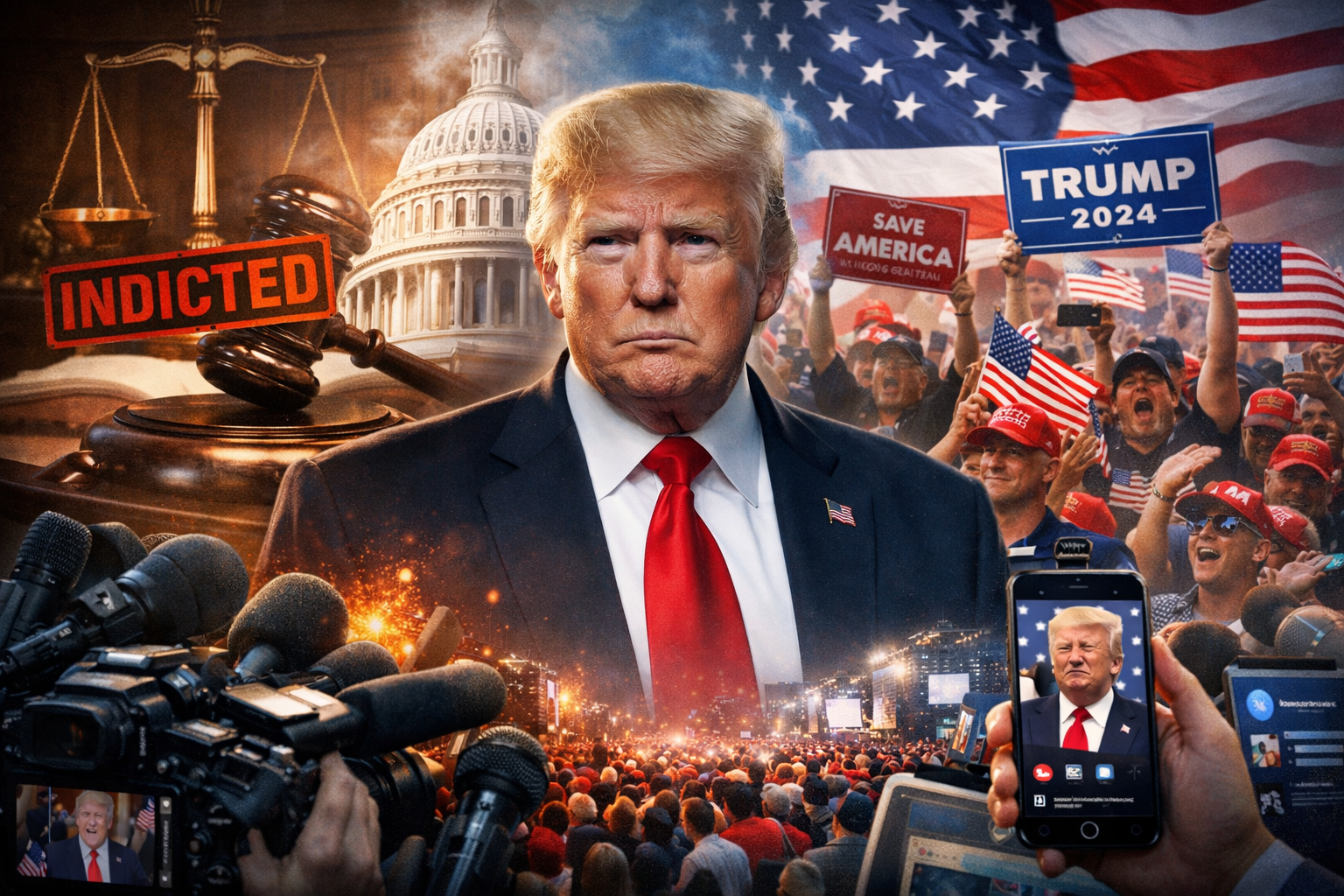
In a stunning escalation of U.S.–Venezuela tensions, President Donald Trump announced early today that American forces have carried out a large-scale military strike against Venezuela and captured President Nicolás Maduro and his wife, flying them out of the country. �
AP News +1
Explosions rocked Caracas and surrounding areas, and international alarm bells are already ringing. The operation marks the most direct U.S. intervention in Latin America in decades, drawing comparisons to the 1989 invasion of Panama.
AP News
What Trump Says Happened
President Trump described the mission as a “successful large-scale strike” carried out overnight, telling supporters that U.S. forces captured Maduro and his wife, Cilia Flores. He said the officials would face justice in the United States, where they have been indicted on drug-related and terrorism charges.
AP News
In a dramatic twist, Trump also declared that the United States would temporarily govern Venezuela until a stable transition can be arranged — including a role for U.S. oil companies to rebuild and operate the country’s vast oil infrastructure.
TIME
This shift signals a direct U.S. role in Venezuelan governance following decades of strained relations between Washington and Caracas.
Legal and International Backlash
Legal scholars and world leaders are already questioning the legality of the strike.
• International law experts argue that any military action without UN approval likely violates the UN Charter’s prohibition on the use of force against sovereign nations.
• The United Nations Security Council has scheduled an emergency meeting, amid warnings the attack sets a “dangerous precedent.”
• Venezuela’s government has denounced the operation as a colonial-style violation of sovereignty.
The Guardian
Reuters
Reuters
Even inside the United States, lawmakers from both parties are pushing back. Some have called the operation “illegal” without congressional approval, framing the capture of a foreign head of state as an act of war, not just enforcement of law.
The Nation
What Led to This Moment
The dramatic strike did not happen in isolation.
Over recent months:
• Trump’s administration mounted air and naval operations in the Caribbean against vessels it alleged were smuggling drugs linked to Venezuelan gangs, killing dozens in the process. �
• The Venezuelan regime was hit with economic pressure, seizures of oil tankers, and accusations of narco-terrorism — including a $50 million U.S. bounty on Maduro.
• Maduro’s government repeatedly accused the United States of seeking regime change to seize control of oil and resources.
The Guardian
The Guardian
Now, with Maduro reportedly in U.S. custody, the region faces an uncertain and potentially explosive aftermath.
Regional and Global Reactions
Responses around the world have been harsh and swift:
• Russia and China have condemned the U.S. action as a blatant violation of Venezuela’s sovereignty.
• Latin American governments are scrambling to react, with many denouncing the strike as an aggressive intervention.
• Human rights groups have raised alarms about civilian casualties and the legality of the campaign.
Al Jazeera
Reuters
The Guardian
What Comes Next
As Caracas reels from blasts and political turmoil, the big questions now include:
👉 Who will govern Venezuela during this transition?
👉 Will Congress assert its authority on matters of war and peace?
👉 Will oil companies and U.S. firms benefit economically from this new U.S. presence?
👉 How will other global powers respond to this unprecedented act of force?
The world is watching — and the consequences could reshape global norms on military intervention and sovereignty.


BREAKING NEWS: Do Americans Approve of Trump’s Way of Ruling? Public Opinion Splits as Debate Over His Leadership Style Resurfaces

‘WE GOT HIM!’: President Trump announced on Truth Social that U.S. forces carried out one of the most daring search-and-rescue missions in history, successfully recovering a senior officer who had been behind enemy lines in Iran.

“Andy Reid: ‘I Would Never Bet Against’ Patrick Mahomes Returning for Week 1 of 2026 Season”

Serena Williams shares a deep message for fans worldwide… Now people everywhere are reacting in a big way….

BREAKING: Trump Fires Attorney General Pam Bondi in Major Cabinet Shakeup Amid Iran War Tensions

See Serena Williams in Spicy Wet Red Barely-There Never-Before-Seen Mouth-Watering Photos: Fans Lose It When the Red Dress Couldn’t Hold Her Melons and Dropped and Revealed Her Giant…

See Serena Williams in Spicy Wet Red Barely-There Never-Before-Seen Mouth-Watering Photos: Fans Lose It When the Red Dress Couldn’t Hold Her Melons and Dropped and Revealed Her Giant…

The Goat ! Serena Williams at the vanity fair Oscar party …..

Fans have to check in : New 17 Serena Williams hot bikinis pictures
Hot Serena Williams bikini photos: 🎾 Serena Williams is embracing her new look and shutting down the noise. The tennis legend recently shared photos in bikinis

Fans Weren’t Ready for What Serena Williams Revealed While Trying on a Bikini in Her Wardrobe…