CELEBRITY
Donald Trump’s $10 Billion Defamation Lawsuit Against BBC Moves Toward 2027 Trial, Setting Stage for Global Showdown Over Media Accountability and Press Freedom

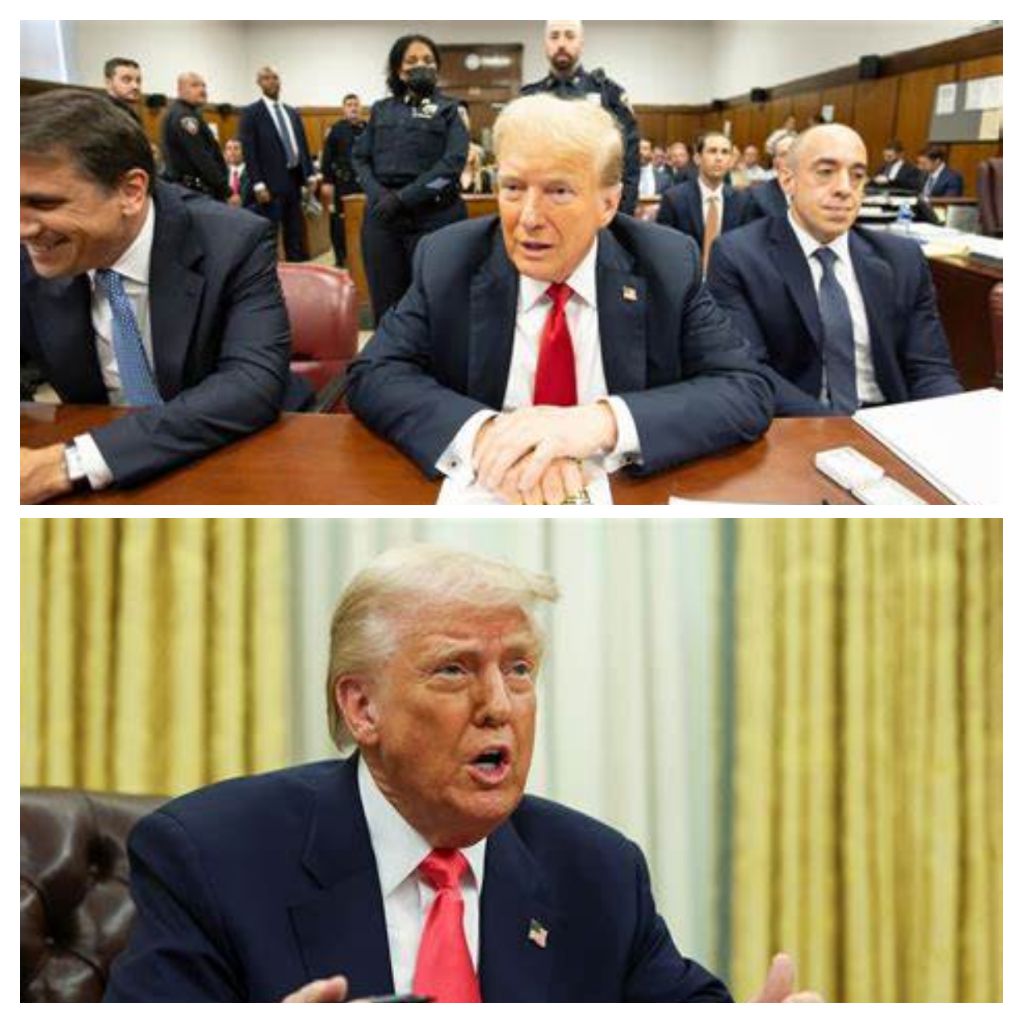
Donald Trump’s $10 Billion Lawsuit Against BBC Heads Toward High-Stakes Trial
In a legal battle drawing global attention, former U.S. President Donald Trump is moving closer to a courtroom showdown with the BBC over a $10 billion defamation lawsuit that could have major implications for media organizations worldwide.
The case stems from a BBC documentary examining the events surrounding January 6, 2021. Trump alleges the broadcaster edited portions of his speech and related footage in a way that was misleading and damaging to his reputation. According to court filings, he argues that the network’s portrayal falsely suggested intent and responsibility beyond what he actually stated.
The BBC has strongly denied the allegations, maintaining that its reporting met editorial standards and was produced in the public interest. The broadcaster contends that the documentary reflected factual reporting and protected journalistic expression.
A U.S. federal judge recently ruled that the lawsuit will proceed to trial, rejecting efforts to dismiss or significantly delay the case. Legal experts say the decision signals that the court believes key factual disputes must be resolved before a jury.
Why the Case Matters
The lawsuit is being closely watched for several reasons:
Press Freedom vs. Reputation: The trial could test the limits of defamation law and how it applies to major media organizations covering political figures.
Financial Stakes: With $10 billion in claimed damages, the case ranks among the most financially significant media lawsuits in recent history.
Political Climate: The dispute unfolds amid heightened political polarization, making its outcome potentially influential beyond the courtroom.
International Impact: As the BBC is a publicly funded UK broadcaster, the case also raises cross-border legal and diplomatic considerations.
Supporters of Trump argue the lawsuit is about accountability and correcting what they see as unfair media narratives. Critics warn that such high-dollar claims could discourage investigative journalism if news outlets fear costly litigation.
What Happens Next
With the trial scheduled for 2027, both sides are expected to enter an intense discovery phase, exchanging documents and conducting depositions. Legal analysts predict a lengthy and complex proceeding, possibly involving expert testimony on media standards, editing practices, and reputational harm.
Whatever the verdict, the case is likely to influence future disputes between powerful political figures and global media institutions.
As the courtroom date approaches, one thing is clear: this battle between a former president and one of the world’s most prominent broadcasters is far from over.


Fans Weren’t Ready for What Serena Williams Revealed While Trying on a Bikini in Her Wardrobe…
Fans Weren’t Ready for What Serena Williams Revealed While Trying on a Bikini in Her Wardrobe…👇

These Serena Williams New 10 Mouth-Watering Wet Beach Moment Photos in a Barely There Dress Are the New Viral Talk on the Internet, and Fans Went Crazy to See the Moment the Dress Slipped Down and What Revealed Is That Serena Has a Big…

BREAKING: U.S President Donald Trump Has Just Been Confirmed…

Internet Buzz: 10 Private Photos of Serena xWilliams Allegedly Leaked Online,

Serena Williams’ Very Soaked Hot Body in 5 Private Photos Is Causing Fans to Lose Focus – Wives and Girlfriends Complain Their Men Are Distracted and Demand the Photos Be Deleted. See Them Before They’re Removed.

It was really painful, I thought I hurt my boobs popular Instagram celebs shares pictures of her hitting her boobs on the…

These 5 private Serena Williams mouth-watering beach photos are causing serious damage to fans, see them before it deleted

5 private Serena Williams mouth-watering beach photos are causing serious damage to fans

Serena Williams shocks the internet after stepping out in an ultra-revealing outfit, igniting fierce debate, viral reactions, and headlines as fans argue fashion freedom versus public shock worldwide. See more here…

Serena William Turns Heads in a sexy white gown — The photos Are breaking the internet
