CELEBRITY
Elon Musk poured US$75mil into the super political action committee he created earlier this year, launching the Tesla

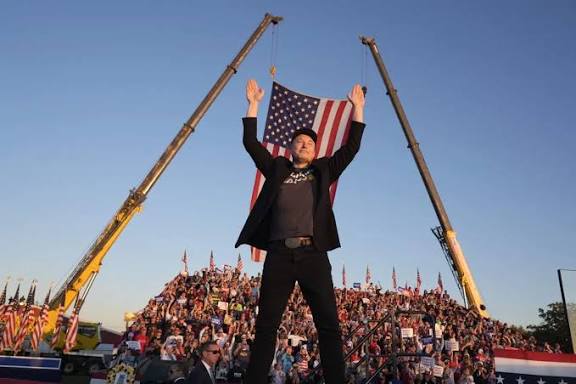
Elon Musk has taken a dramatic leap into the center of U.S. electoral politics, pouring US$75 million into a super political action committee he created earlier this year. The move has elevated the Tesla and SpaceX chief executive into the top ranks of political donors and positioned him as a major financial force behind Donald Trump’s campaign and Republican efforts in key battleground states.
The super PAC, America PAC, is focused primarily on funding get-out-the-vote operations designed to boost turnout for Trump while also supporting Republicans in competitive House districts. These efforts are aimed at securing not only the presidency but also a potential GOP majority in Congress. In addition to ground operations, the group has invested heavily in digital advertising campaigns, many of which target young male voters—a demographic Republicans hope will offset Vice President Kamala Harris’ advantage among women voters.
According to the PAC’s most recent filing with the Federal Election Commission, Musk is the group’s sole donor, making seven separate contributions between July 3 and September 5. America PAC has already spent approximately US$72 million, with US$68.5 million of that total directly supporting Trump. The organization began October with about US$4 million in cash on hand, signaling that most of its financial firepower has already been deployed as the election enters a critical phase.
America PAC has also drawn attention for its aggressive grassroots strategy. The group has advertised for canvassers—primarily on X, the social media platform owned by Musk—offering wages of up to US$30 an hour to mobilize voters in swing states. In its public messaging, the PAC says it supports candidates who prioritize issues such as border security, public safety, and free speech, themes closely aligned with Trump’s campaign rhetoric.
Musk’s growing political involvement marks a significant shift from his previous approach. Despite being worth an estimated US$241 billion, he had historically limited his federal political donations. This election cycle, however, reflects a clear pivot toward deeper engagement, raising questions about how America’s wealthiest individuals may shape future elections.
The move also underscores the expanding political influence of a business leader whose companies receive billions of dollars in federal contracts and who has frequently criticized government regulation. By backing a potential future president and lawmakers who could reshape federal policy, Musk is positioning himself at the intersection of corporate power, political strategy, and national governance.
As the election approaches, Musk’s $75 million wager highlights the growing role of super PACs and billionaire donors in American democracy—intensifying debate over money, influence, and the balance of power in modern politics.


BREAKING NEWS: Do Americans Approve of Trump’s Way of Ruling? Public Opinion Splits as Debate Over His Leadership Style Resurfaces

‘WE GOT HIM!’: President Trump announced on Truth Social that U.S. forces carried out one of the most daring search-and-rescue missions in history, successfully recovering a senior officer who had been behind enemy lines in Iran.

“Andy Reid: ‘I Would Never Bet Against’ Patrick Mahomes Returning for Week 1 of 2026 Season”

Serena Williams shares a deep message for fans worldwide… Now people everywhere are reacting in a big way….

BREAKING: Trump Fires Attorney General Pam Bondi in Major Cabinet Shakeup Amid Iran War Tensions

See Serena Williams in Spicy Wet Red Barely-There Never-Before-Seen Mouth-Watering Photos: Fans Lose It When the Red Dress Couldn’t Hold Her Melons and Dropped and Revealed Her Giant…

See Serena Williams in Spicy Wet Red Barely-There Never-Before-Seen Mouth-Watering Photos: Fans Lose It When the Red Dress Couldn’t Hold Her Melons and Dropped and Revealed Her Giant…

The Goat ! Serena Williams at the vanity fair Oscar party …..

Fans have to check in : New 17 Serena Williams hot bikinis pictures
Hot Serena Williams bikini photos: 🎾 Serena Williams is embracing her new look and shutting down the noise. The tennis legend recently shared photos in bikinis

Fans Weren’t Ready for What Serena Williams Revealed While Trying on a Bikini in Her Wardrobe…