CELEBRITY
Fear vs. Facts: Why the Real Debate Should Be About Results,

Not Rhetoric
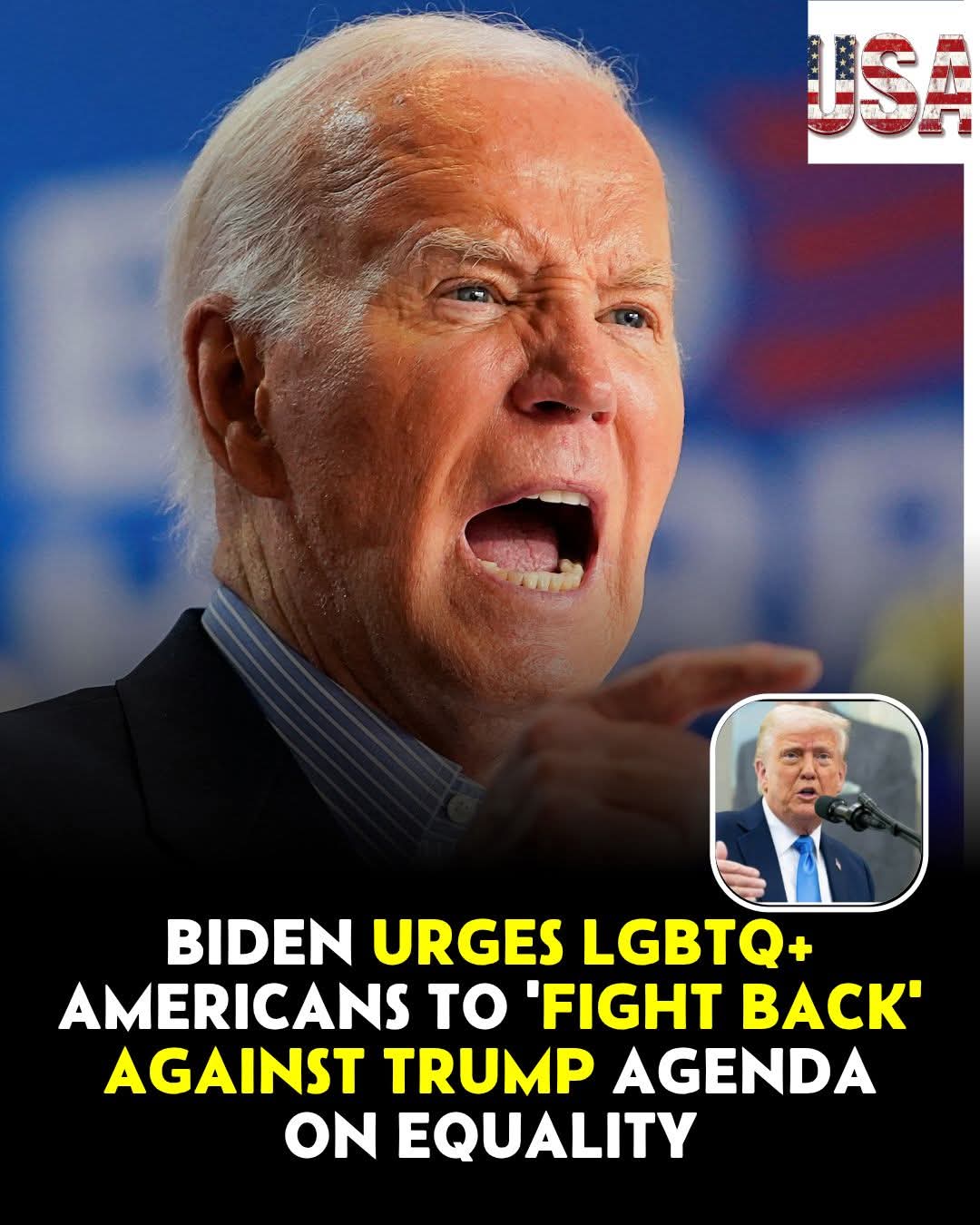
Once again, Joe Biden is grabbing headlines — not by offering solutions to the challenges Americans face, but by issuing warnings meant to stoke fear and division. From the sidelines, the former president is urging LGBTQ+ Americans to “fight back” against what he claims is President Trump’s agenda on equality. Yet this familiar playbook — amplified fear without context — deserves a closer look.
Reframing the Conversation
It’s time to separate rhetoric from record.
While political operatives trade sound bites, ordinary Americans are focused on real-world issues: jobs, families, safety, and opportunity. The question isn’t which side can shout the loudest — it’s which leadership delivers measurable, positive impact.
A Record Worth Examining
President Donald Trump’s first term was marked by a stated commitment to equal treatment under the law for all Americans, regardless of identity. During that period:
He appointed openly gay leaders to senior government roles, including Richard Grenell, who made history as the highest-ranking openly gay official at the time.
The administration opposed discrimination in federal contracting.
It supported international initiatives encouraging the decriminalization of homosexuality in other countries.
These moves, regardless of political perspective, complicate the narrative that Trump was hostile to LGBTQ+ equality. They suggest a more nuanced record grounded in institutional fairness rather than ideological conflict.
Economic Opportunity for All
Before the COVID-19 pandemic, the U.S. economy saw historically low unemployment rates across demographic groups. Many LGBTQ+ workers benefited as well, not because of identity-based politics, but because of broad economic growth and job creation driven by policies aimed at reducing regulation and expanding opportunity.
Today’s administration argues that structural inequities require targeted solutions. But critics counter that when economic conditions improve across the board, individuals and communities — including LGBTQ+ Americans — are better positioned to thrive.
Culture Wars vs. Common Ground
One of the sharpest political divides in recent years has involved cultural issues, particularly around education and gender identity. For many parents, debates over what should — or should not — be taught in schools have become intensely personal.
Supporters of Trump’s approach highlight priorities such as:
Parental rights in education
School choice
Protections for women’s sports
Meanwhile, critics of Biden’s policies argue that perceived pushes for more progressive gender ideology in classrooms have caused confusion and dissatisfaction among parents and students alike.
Leadership or Division?
At the heart of this debate is a question of leadership style.
Joe Biden’s recent statements reflect a strategy of warning and mobilizing groups he believes are under threat. Whether or not one agrees with his assessment, this approach tends to emphasize differences between Americans.
By contrast, Trump’s message centers on merit, opportunity, and fairness under the law — themes that resonate with those who want to move past identity-centered politics and toward broad economic and social renewal.
Looking Ahead
Americans are tired of being pitted against one another. They want results that improve daily life:
A strong, resilient economy
Secure borders
Affordable energy
Expanded educational choices
Fair treatment for all citizens
Whether you support President Trump, President Biden, or someone else entirely, this much is clear: the next chapter of American politics will be shaped by how well leaders deliver tangible progress, not


BREAKING NEWS: Do Americans Approve of Trump’s Way of Ruling? Public Opinion Splits as Debate Over His Leadership Style Resurfaces

‘WE GOT HIM!’: President Trump announced on Truth Social that U.S. forces carried out one of the most daring search-and-rescue missions in history, successfully recovering a senior officer who had been behind enemy lines in Iran.

“Andy Reid: ‘I Would Never Bet Against’ Patrick Mahomes Returning for Week 1 of 2026 Season”

Serena Williams shares a deep message for fans worldwide… Now people everywhere are reacting in a big way….

BREAKING: Trump Fires Attorney General Pam Bondi in Major Cabinet Shakeup Amid Iran War Tensions

See Serena Williams in Spicy Wet Red Barely-There Never-Before-Seen Mouth-Watering Photos: Fans Lose It When the Red Dress Couldn’t Hold Her Melons and Dropped and Revealed Her Giant…

See Serena Williams in Spicy Wet Red Barely-There Never-Before-Seen Mouth-Watering Photos: Fans Lose It When the Red Dress Couldn’t Hold Her Melons and Dropped and Revealed Her Giant…

The Goat ! Serena Williams at the vanity fair Oscar party …..

Fans have to check in : New 17 Serena Williams hot bikinis pictures
Hot Serena Williams bikini photos: 🎾 Serena Williams is embracing her new look and shutting down the noise. The tennis legend recently shared photos in bikinis

Fans Weren’t Ready for What Serena Williams Revealed While Trying on a Bikini in Her Wardrobe…