NEWS
Panic Spreads in Republican Circles as Jack Smith Reveals Names of Alleged Co-Conspirators – individuals Donald Trump was said to be in direct contact with, people he trusted and relied on, who allegedly played key roles in orchestrating the horror that unfolded at the U.S. Capitol.

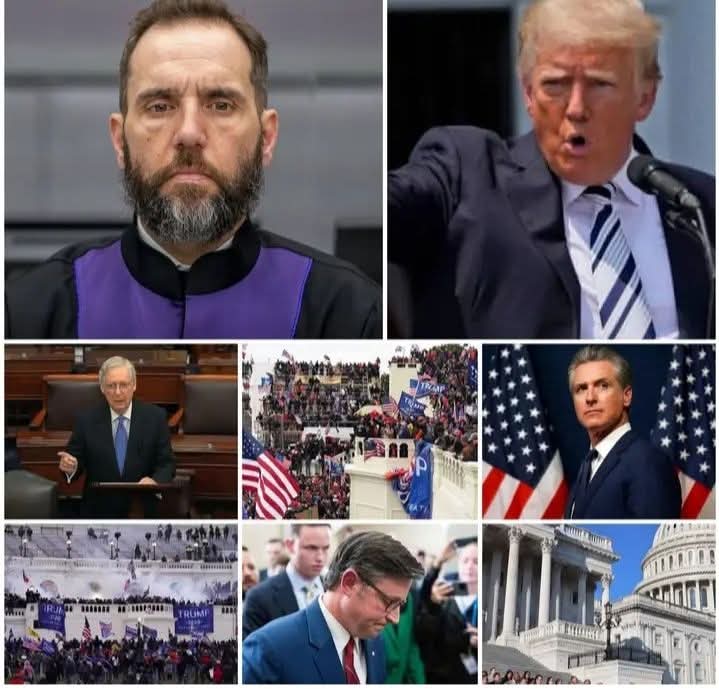
Washington Braces for Political Turmoil as Alleged January 6 Co-Conspirators Come Into Focus
Washington, D.C. — Political tensions surged this week after disclosures from Special Counsel Jack Smith indicated that investigators have identified several alleged co-conspirators connected to efforts to overturn the 2020 presidential election.
While no new criminal charges were immediately announced, the revelation that additional figures—many believed to be Republicans with close ties to former President Donald Trump—are under active scrutiny has reignited national debate over accountability and the lasting impact of January 6.
According to court filings and public statements, the individuals referenced by prosecutors were described as people Trump was in direct contact with and relied upon during the period leading up to and following the January 6, 2021, attack on the U.S. Capitol.
The acknowledgment has sent shockwaves through political circles, where speculation has long surrounded the extent of coordination behind attempts to block the certification of President Joe Biden’s election victory.
For years, questions have lingered about who may have played behind-the-scenes roles in the events that culminated in the Capitol breach. Investigators have previously outlined a broad effort involving false claims of election fraud, pressure campaigns targeting state officials, and alternate slates of electors.
The latest disclosures suggest that prosecutors are narrowing their focus, potentially bringing clarity to long-rumored connections that have remained largely out of public view.
Public reaction has been swift and deeply divided. Some Americans view the developments as a long-awaited step toward transparency and accountability, arguing that the rule of law demands a full accounting of any efforts to subvert a democratic election. Others warn against drawing conclusions without formal charges, expressing concern that the investigation could further polarize an already fractured political landscape.
Republican leaders, for their part, have largely urged caution. Several emphasized the presumption of innocence and criticized what they described as premature judgments based on incomplete information. “Allegations are not convictions,” one senior GOP figure said, calling for restraint until the legal process runs its course.
Democrats, meanwhile, argue that the revelations underscore the seriousness of the threat posed on January 6 and the need for continued vigilance. They contend that identifying all individuals involved—regardless of political affiliation—is essential to safeguarding democratic norms and preventing future attempts to overturn election results.
Legal experts note that the absence of immediate charges does not diminish the significance of the disclosures. Identifying alleged co-conspirators in court filings often signals that prosecutors believe evidence links additional actors to a broader scheme. Such acknowledgments can also pave the way for future indictments, cooperation agreements, or testimony as investigations progress.
As the legal process unfolds, the political consequences are already taking shape.
Lawmakers are bracing for renewed debates over responsibility for January 6, the boundaries of executive power, and reforms aimed at protecting the electoral process. The revelations also arrive amid an election cycle, raising questions about how ongoing investigations could influence campaigns, voter perceptions, and party dynamics.
Observers across the political spectrum agree on one point: the story is far from over. With investigators continuing their work and Washington closely watching every development, the latest disclosures may mark the beginning of another turbulent chapter—one that could reshape political alliances and define the national conversation about democracy, accountability, and the rule of law for years to come.


Fans Weren’t Ready for What Serena Williams Revealed While Trying on a Bikini in Her Wardrobe…
Fans Weren’t Ready for What Serena Williams Revealed While Trying on a Bikini in Her Wardrobe…👇

These Serena Williams New 10 Mouth-Watering Wet Beach Moment Photos in a Barely There Dress Are the New Viral Talk on the Internet, and Fans Went Crazy to See the Moment the Dress Slipped Down and What Revealed Is That Serena Has a Big…

BREAKING: U.S President Donald Trump Has Just Been Confirmed…

Internet Buzz: 10 Private Photos of Serena xWilliams Allegedly Leaked Online,

Serena Williams’ Very Soaked Hot Body in 5 Private Photos Is Causing Fans to Lose Focus – Wives and Girlfriends Complain Their Men Are Distracted and Demand the Photos Be Deleted. See Them Before They’re Removed.

It was really painful, I thought I hurt my boobs popular Instagram celebs shares pictures of her hitting her boobs on the…

These 5 private Serena Williams mouth-watering beach photos are causing serious damage to fans, see them before it deleted

5 private Serena Williams mouth-watering beach photos are causing serious damage to fans

Serena Williams shocks the internet after stepping out in an ultra-revealing outfit, igniting fierce debate, viral reactions, and headlines as fans argue fashion freedom versus public shock worldwide. See more here…

Serena William Turns Heads in a sexy white gown — The photos Are breaking the internet
