NEWS
President Donald Trump said Cuba is “very close to failing” on Tuesday, according to an alert transmitted on major news wires quoting Trump speaking to reporters during a White House availability.

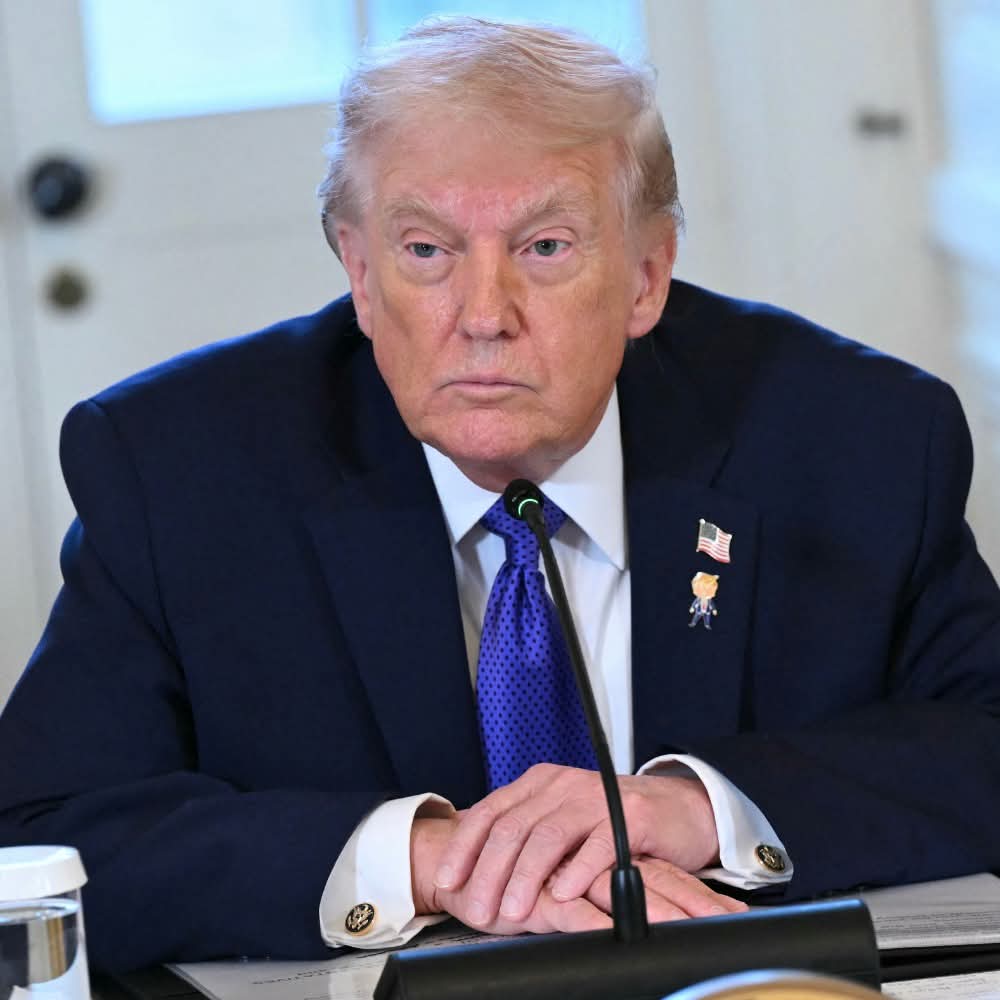
TRUMP ISSUES STARK WARNING: “CUBA IS VERY CLOSE TO FAILING”
President Donald Trump delivered a blunt and unsettling assessment of Cuba’s condition on Tuesday, declaring that the island nation is “very close to failing.” The comment, made during a White House availability and quickly transmitted across major news wires, has reignited debate over Cuba’s future, U.S. foreign policy, and the broader implications for regional stability.
Trump’s statement comes amid mounting economic and political strain inside Cuba. The country has been grappling with severe shortages of food, fuel, and medicine, alongside persistent power outages and a collapsing currency. For many Cubans, daily life has become a struggle for basic necessities, fueling frustration and sporadic protests across the island. Trump’s warning appears to reflect growing concern within U.S. leadership that these pressures may be pushing Cuba toward a breaking point.
Speaking to reporters, the former president did not elaborate on specific intelligence or metrics behind his assessment, but the language was unmistakably urgent. Describing a foreign government as “very close to failing” is rare in public remarks from a U.S. president and signals that Washington is closely watching developments in Havana.
During his presidency, Trump pursued a hardline approach toward Cuba, reversing several Obama-era policies that had eased restrictions. His administration tightened sanctions, limited travel, and targeted revenue streams tied to the Cuban government, arguing that economic pressure was necessary to force political reform and accountability. Supporters of Trump’s stance believe his latest comments validate that approach, claiming the Cuban system is buckling under long-standing inefficiencies and external pressure.
Critics, however, argue that harsh sanctions have exacerbated the humanitarian crisis, placing the heaviest burden on ordinary citizens rather than political elites.
They warn that public statements predicting collapse could further destabilize the situation, potentially triggering mass migration, regional insecurity, or unintended escalation between Washington and Havana.
The implications of a failing Cuban state would extend far beyond the island. Analysts note that instability in Cuba could impact U.S. border and immigration policy, Caribbean security, and relations with rival powers that maintain ties to Havana. Any sudden political or economic collapse could send shockwaves throughout the region, forcing the United States and its allies to respond quickly.
Trump’s warning has already sparked intense discussion online and across cable news, with supporters praising his directness and critics questioning the motives and timing of the remarks. Whether the statement was intended as a cautionary observation, a political message, or a signal of potential future action remains unclear.
What is certain is that Cuba’s situation is once again at the center of the global conversation. As economic pressures mount and political tensions simmer, Trump’s declaration underscores a growing belief in Washington that the status quo on the island may not be sustainable much longer. The coming months could prove decisive—not only for Cuba, but for U.S. policy and stability across the region.


BREAKING NEWS: Do Americans Approve of Trump’s Way of Ruling? Public Opinion Splits as Debate Over His Leadership Style Resurfaces

‘WE GOT HIM!’: President Trump announced on Truth Social that U.S. forces carried out one of the most daring search-and-rescue missions in history, successfully recovering a senior officer who had been behind enemy lines in Iran.

“Andy Reid: ‘I Would Never Bet Against’ Patrick Mahomes Returning for Week 1 of 2026 Season”

Serena Williams shares a deep message for fans worldwide… Now people everywhere are reacting in a big way….

BREAKING: Trump Fires Attorney General Pam Bondi in Major Cabinet Shakeup Amid Iran War Tensions

See Serena Williams in Spicy Wet Red Barely-There Never-Before-Seen Mouth-Watering Photos: Fans Lose It When the Red Dress Couldn’t Hold Her Melons and Dropped and Revealed Her Giant…

See Serena Williams in Spicy Wet Red Barely-There Never-Before-Seen Mouth-Watering Photos: Fans Lose It When the Red Dress Couldn’t Hold Her Melons and Dropped and Revealed Her Giant…

The Goat ! Serena Williams at the vanity fair Oscar party …..

Fans have to check in : New 17 Serena Williams hot bikinis pictures
Hot Serena Williams bikini photos: 🎾 Serena Williams is embracing her new look and shutting down the noise. The tennis legend recently shared photos in bikinis

Fans Weren’t Ready for What Serena Williams Revealed While Trying on a Bikini in Her Wardrobe…