NFL
President Trump confirms a U.S.-Israel joint attack on Iran.

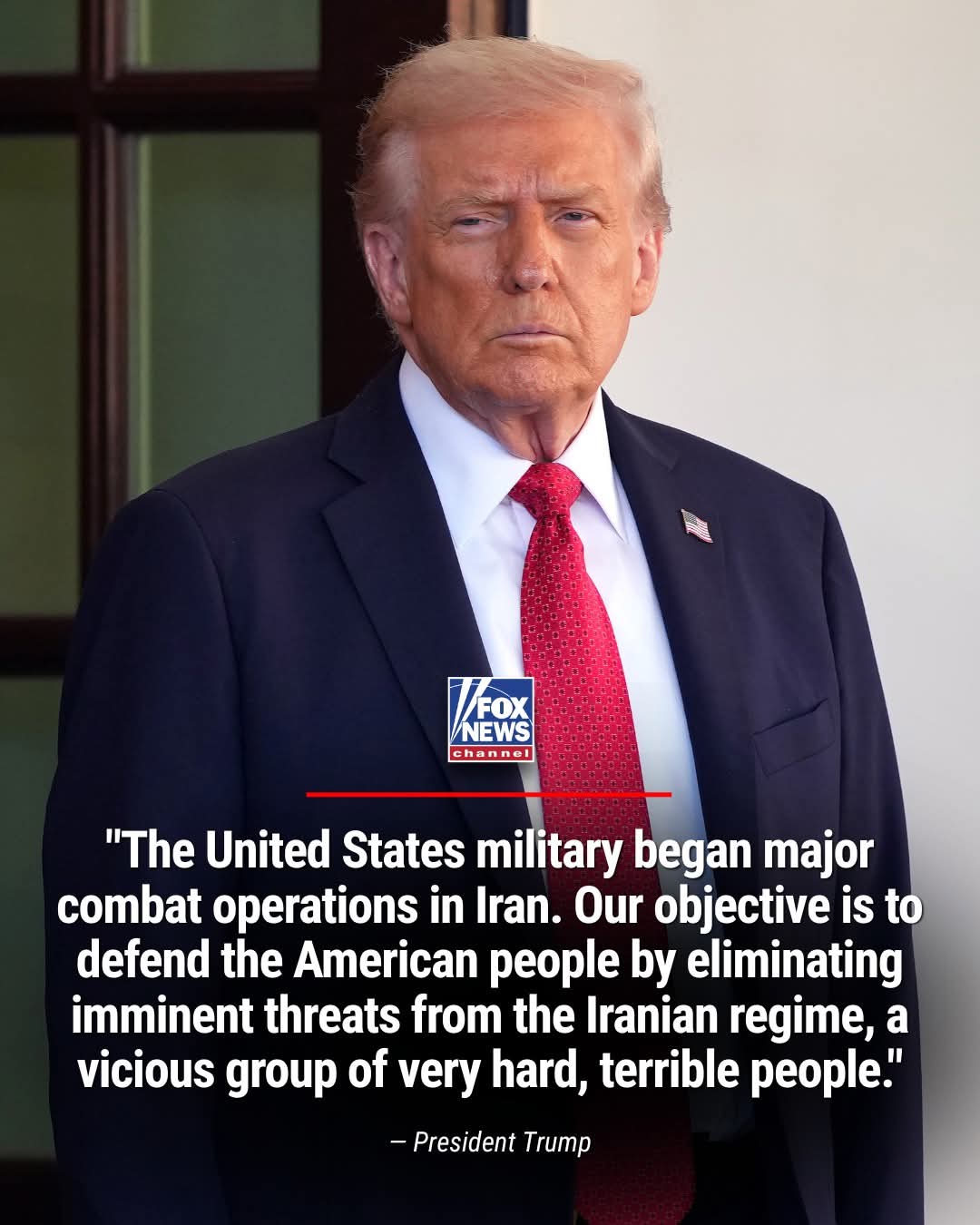
Donald Trump Confirms U.S.–Israel Joint Military Action Against Iran
In a dramatic announcement that has sent shockwaves across the international community, former U.S. President Donald Trump confirmed that the United States carried out a coordinated military operation alongside Israel targeting Iran. The declaration marks a significant escalation in long-standing tensions between Washington, Jerusalem, and Therapy.
Speaking firmly, Trump described Iran as “the world’s number one state sponsor of terror,” reiterating his long-held position that the Iranian government must never be allowed to obtain a nuclear weapon. He further referenced Iran’s internal crackdowns on protests, stating that the regime had “killed tens of thousands of its own citizens” and warning that the United States would no longer tolerate what he called “mass terror.”
A Long-Brewing Conflict
Tensions between the United States and Iran have simmered for decades, intensifying over issues including Iran’s nuclear program, regional influence, and support for armed groups across the Middle East. During Trump’s presidency, relations deteriorated sharply after the U.S. withdrew from the 2015 nuclear agreement and reimposed heavy sanctions on Tehran.
Israel, which has consistently viewed Iran’s nuclear ambitions as an existential threat, has also conducted operations aimed at curbing Tehran’s military capabilities. A joint military effort between Washington and Israel signals a deep alignment on confronting what both governments consider a growing security risk.
Global Reactions and Strategic Concerns
The confirmation of joint military action has raised urgent questions about the potential for retaliation and broader regional instability. Analysts warn that Iran could respond through proxy groups or direct military measures, potentially drawing neighboring countries into a wider conflict.
International leaders are closely monitoring the situation, calling for restraint while assessing the strategic implications. Energy markets, already sensitive to Middle East tensions, may also feel the impact if the conflict escalates further.
Support and Criticism
Supporters of the move argue that decisive action was necessary to prevent Iran from advancing its nuclear capabilities and to deter future aggression.
They frame the operation as a firm stand against terrorism and regional destabilization.
Critics, however, caution that military escalation could ignite a prolonged conflict with unpredictable consequences. They emphasize the importance of diplomacy and warn that direct confrontation may undermine long-term global security.
What Comes Next?
With tensions at a critical point, the coming days will be pivotal. Much will depend on Iran’s response, the position of global powers, and diplomatic efforts to prevent further escalation.
One thing is certain: the geopolitical landscape has shifted. As the world watches closely, the balance between deterrence and diplomacy hangs in the balance.


SAD NEWS: 30 minutes ago, Patrick Mahomes heartbreakingly announced that his wife, Brittany, passed away in a…

TAYLOR SWIFT RUSHED TO HOSPITAL IN TEARS After HORRIFIC Eras Tour Leg-Shattering Accident – Backstage CHAOS Leaves Swifties Heartbroken!

SILENT HERO: Patrick Mahomes and the gift of a second chance. Before the hospital staff shared the story, few knew that Patrick Mahomes had quietly stepped in to cover the total cost of a life-saving brain tumor surgery for a 9-year-old fan.

BREAKING NEWS: Do Americans Approve of Trump’s Way of Ruling? Public Opinion Splits as Debate Over His Leadership Style Resurfaces

‘WE GOT HIM!’: President Trump announced on Truth Social that U.S. forces carried out one of the most daring search-and-rescue missions in history, successfully recovering a senior officer who had been behind enemy lines in Iran.

“Andy Reid: ‘I Would Never Bet Against’ Patrick Mahomes Returning for Week 1 of 2026 Season”

Serena Williams shares a deep message for fans worldwide… Now people everywhere are reacting in a big way….

BREAKING: Trump Fires Attorney General Pam Bondi in Major Cabinet Shakeup Amid Iran War Tensions

See Serena Williams in Spicy Wet Red Barely-There Never-Before-Seen Mouth-Watering Photos: Fans Lose It When the Red Dress Couldn’t Hold Her Melons and Dropped and Revealed Her Giant…

See Serena Williams in Spicy Wet Red Barely-There Never-Before-Seen Mouth-Watering Photos: Fans Lose It When the Red Dress Couldn’t Hold Her Melons and Dropped and Revealed Her Giant…

The Goat ! Serena Williams at the vanity fair Oscar party …..
