CELEBRITY
Serena Williams Opens Up About Body Image Struggles, Racism, and Finding Confidence Through Motherhood, Revealing How Representation and Self-Love Transformed Her Powerful Legacy

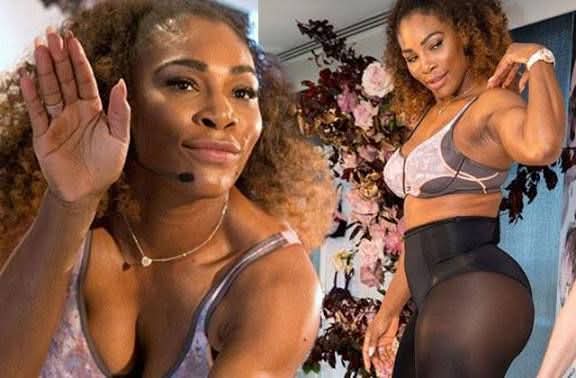
Serena Williams Opens Up About Body Image, Representation, and Finding Her Voice
For decades, the world has celebrated Serena Williams as one of the greatest athletes of all time. With 23 Grand Slam singles titles and a career that reshaped women’s tennis, her dominance on the court is undeniable. But behind the trophies and historic victories was a young girl quietly struggling with how she saw herself.
In a candid new interview with British Vogue, Williams reflected on growing up in an era that lacked the language — and the visibility — of body positivity. She admitted that as a child, she rarely saw women in the media who looked like her.
“When I was growing up, what was celebrated was different,” she shared. Comparing herself to her sister Venus Williams, Serena noted that Venus’ tall, lean frame more closely matched traditional beauty standards of the time. “I didn’t see people on TV that looked like me, who were thick. There wasn’t a positive body image. It was a different age.”
Throughout her career, Williams has faced relentless scrutiny over her muscular build — criticism that often crossed into racism and sexism. She has previously revealed that people questioned her femininity and made hurtful assumptions simply because of her strength and physique.
In 2018, she firmly shut down a reporter who asked whether she felt “intimidated” by opponent Maria Sharapova and her “supermodel good looks,” highlighting the double standards female athletes face.
On another occasion, Caroline Wozniacki was widely criticized after appearing to mock Williams’ body during an on-court exhibition, an incident many viewed as racially insensitive and body-shaming.
Despite the criticism, Williams continued to break records and barriers. Over time, increased representation and cultural shifts toward inclusivity helped her embrace her body’s power rather than view it as something to apologize for.
Motherhood marked a turning point. Williams has said that giving birth to her daughter, Olympia, deepened her appreciation for her body and what it is capable of. Looking at her child, she says, brought everything “full circle.”
“I only wish I had been thankful sooner,” she admitted.
Beyond tennis, Williams has also used her platform to address systemic racism and advocate for Black voices. Following the death of George Floyd and the global Black Lives Matter protests, she became even more vocal about equality and justice.
“Now, we as Black people have a voice,” she said, emphasizing her commitment to speaking out. “Someone in my position can show women and people of colour that we have a voice, because Lord knows I use mine.”
From redefining athletic greatness to challenging beauty standards and amplifying marginalized voices, Serena Williams’ legacy extends far beyond tennis. Her story is not just about championships — it is about resilience, representation, and learning to love the very qualities the world once tried to diminish.


Fans Weren’t Ready for What Serena Williams Revealed While Trying on a Bikini in Her Wardrobe…
Fans Weren’t Ready for What Serena Williams Revealed While Trying on a Bikini in Her Wardrobe…👇

These Serena Williams New 10 Mouth-Watering Wet Beach Moment Photos in a Barely There Dress Are the New Viral Talk on the Internet, and Fans Went Crazy to See the Moment the Dress Slipped Down and What Revealed Is That Serena Has a Big…

BREAKING: U.S President Donald Trump Has Just Been Confirmed…

Internet Buzz: 10 Private Photos of Serena xWilliams Allegedly Leaked Online,

Serena Williams’ Very Soaked Hot Body in 5 Private Photos Is Causing Fans to Lose Focus – Wives and Girlfriends Complain Their Men Are Distracted and Demand the Photos Be Deleted. See Them Before They’re Removed.

It was really painful, I thought I hurt my boobs popular Instagram celebs shares pictures of her hitting her boobs on the…

These 5 private Serena Williams mouth-watering beach photos are causing serious damage to fans, see them before it deleted

5 private Serena Williams mouth-watering beach photos are causing serious damage to fans

Serena Williams shocks the internet after stepping out in an ultra-revealing outfit, igniting fierce debate, viral reactions, and headlines as fans argue fashion freedom versus public shock worldwide. See more here…

Serena William Turns Heads in a sexy white gown — The photos Are breaking the internet
