CELEBRITY
Six justices have ruled that Donald Trump cannot, for now, deploy National Guard troops in Chicago to help federal officials manage protests against his immigration policy. We explain what the decision means before it’s deleted

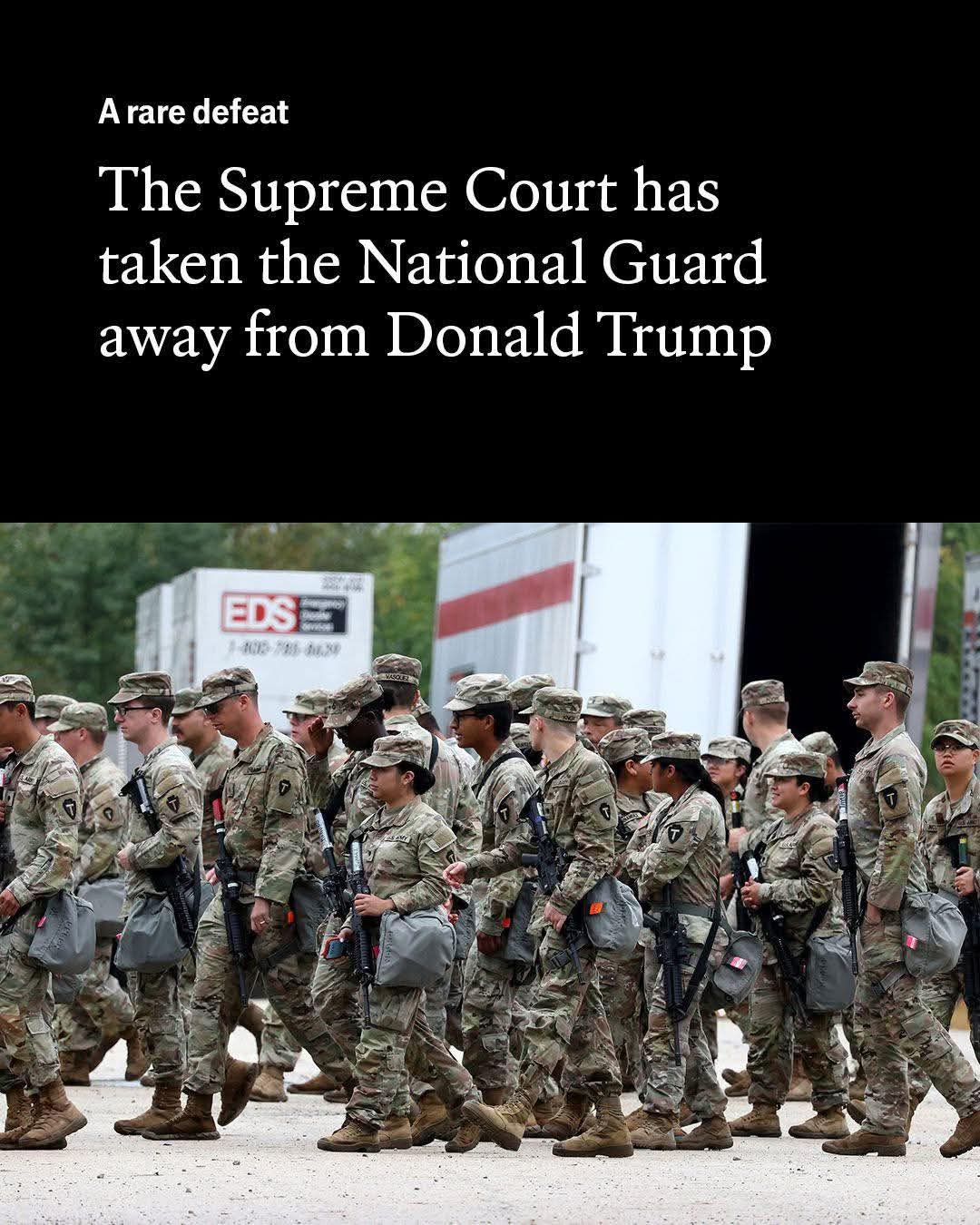
A divided court has ruled that former President Donald Trump cannot, for now, deploy National Guard troops to Chicago to assist federal officials responding to protests against his immigration policy. The decision, supported by six justices, places a temporary legal barrier on federal action and reignites a national debate over presidential power, states’ rights, and the limits of federal authority during civil unrest.
Why the Court Stepped In
At the heart of the ruling is a constitutional question: who controls the National Guard, and under what circumstances can the president override state authority? While the president has broad powers during national emergencies, the court signaled that those powers are not unlimited—especially when Guard units are traditionally under the control of state governors unless formally federalized under strict legal conditions.
The justices emphasized that deploying troops domestically, particularly in response to protests, raises serious concerns about civil liberties, escalation, and the separation of powers. Until those legal thresholds are clearly met and reviewed, the deployment remains blocked.
What “For Now” Really Means
This is not a final judgment. The ruling is temporary, meaning the legal fight is far from over. Federal lawyers may return to court with additional arguments, evidence of necessity, or claims of national emergency.
A future decision could still allow deployment—but only after closer judicial scrutiny.
The Broader Implications
The decision sends a clear message: presidential authority has limits, even during moments of national tension. It reinforces the role of the courts as a check on executive power and underscores the importance of state consent in the use of National Guard forces.
For supporters of the ruling, it’s a win for constitutional safeguards and protest rights. For critics, it raises concerns about whether the federal government can act swiftly enough to maintain order during widespread unrest.
Why This Matters Beyond Chicago
This case sets a precedent that could shape future responses to protests, immigration enforcement, and domestic emergencies across the country. It defines how far a president can go—and where the courts are willing to draw the line.
As the case moves forward, one thing is clear: the balance between security and liberty is once again being tested, and the outcome could reshape the boundaries of executive power in America.


BREAKING NEWS: Do Americans Approve of Trump’s Way of Ruling? Public Opinion Splits as Debate Over His Leadership Style Resurfaces

‘WE GOT HIM!’: President Trump announced on Truth Social that U.S. forces carried out one of the most daring search-and-rescue missions in history, successfully recovering a senior officer who had been behind enemy lines in Iran.

“Andy Reid: ‘I Would Never Bet Against’ Patrick Mahomes Returning for Week 1 of 2026 Season”

Serena Williams shares a deep message for fans worldwide… Now people everywhere are reacting in a big way….

BREAKING: Trump Fires Attorney General Pam Bondi in Major Cabinet Shakeup Amid Iran War Tensions

See Serena Williams in Spicy Wet Red Barely-There Never-Before-Seen Mouth-Watering Photos: Fans Lose It When the Red Dress Couldn’t Hold Her Melons and Dropped and Revealed Her Giant…

See Serena Williams in Spicy Wet Red Barely-There Never-Before-Seen Mouth-Watering Photos: Fans Lose It When the Red Dress Couldn’t Hold Her Melons and Dropped and Revealed Her Giant…

The Goat ! Serena Williams at the vanity fair Oscar party …..

Fans have to check in : New 17 Serena Williams hot bikinis pictures
Hot Serena Williams bikini photos: 🎾 Serena Williams is embracing her new look and shutting down the noise. The tennis legend recently shared photos in bikinis

Fans Weren’t Ready for What Serena Williams Revealed While Trying on a Bikini in Her Wardrobe…