NEWS
Supporters argue that America projects more strength and confidence under Trump’s leadership. Do results matter more than rhetoric?

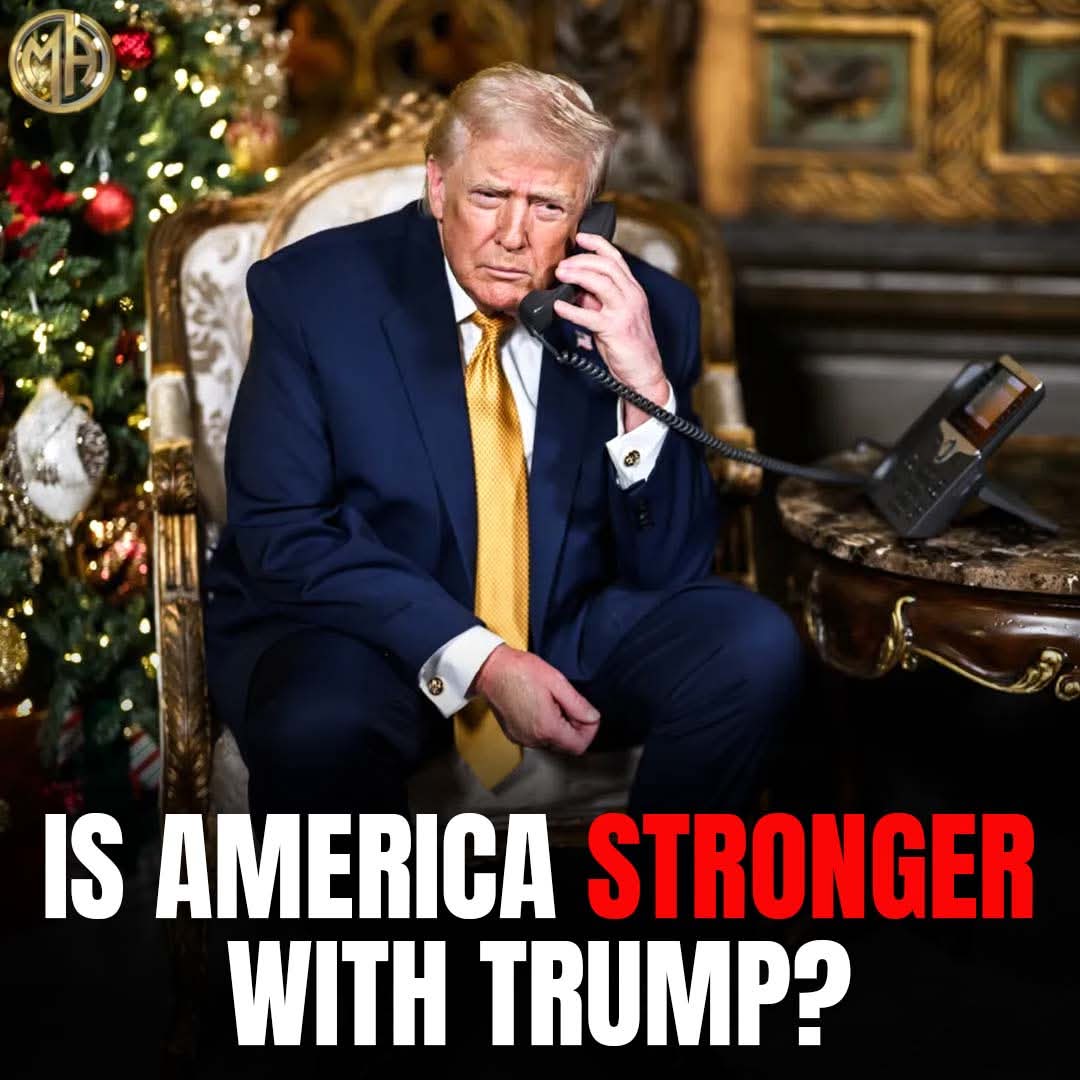
Trump’s leadership style broke sharply from tradition. He spoke bluntly, challenged allies publicly, and confronted adversaries with direct threats rather than subtle diplomacy. Critics viewed this as reckless and divisive. Supporters, however, saw something different: a president unwilling to hide behind words, focused instead on tangible results that, in their view, restored American leverage at home and abroad.
They often point to economic performance before the COVID-19 pandemic, when unemployment reached historic lows and markets surged. For many, this was evidence that unconventional leadership could still deliver measurable success. Trade policies were another flashpoint. Trump’s aggressive stance toward China and the renegotiation of major trade agreements were framed by supporters as proof that the United States was no longer willing to accept deals that disadvantaged American workers.
On the global stage, supporters argue that Trump’s approach altered how other nations perceived the U.S. NATO allies were pressed to increase defense spending. Long-standing adversaries were confronted directly rather than managed quietly. Perhaps most notably, the Abraham Accords in the Middle East were cited as an example of results-driven diplomacy—achieved not through lofty rhetoric, but through transactional negotiations focused on clear goals.
Yet the question remains complex.
Rhetoric matters because words shape alliances, calm tensions, and define national values. Critics argue that harsh language and public confrontations weakened trust and damaged America’s moral authority. Supporters counter that respect in international politics is earned through strength and consistency, not speeches.
At its core, the debate reflects two competing visions of leadership. One prioritizes tone, symbolism, and diplomatic language. The other emphasizes outcomes, leverage, and visible action—even at the cost of controversy. For Trump’s supporters, confidence comes from seeing promises translated into action. For his critics, leadership without restraint risks long-term consequences that numbers alone cannot capture.
As Americans look to the future, the question persists: should a president be judged more by how they speak—or by what they deliver? The answer may ultimately define how the nation measures strength, credibility, and success in the years ahead.


BREAKING NEWS: Do Americans Approve of Trump’s Way of Ruling? Public Opinion Splits as Debate Over His Leadership Style Resurfaces

‘WE GOT HIM!’: President Trump announced on Truth Social that U.S. forces carried out one of the most daring search-and-rescue missions in history, successfully recovering a senior officer who had been behind enemy lines in Iran.

“Andy Reid: ‘I Would Never Bet Against’ Patrick Mahomes Returning for Week 1 of 2026 Season”

Serena Williams shares a deep message for fans worldwide… Now people everywhere are reacting in a big way….

BREAKING: Trump Fires Attorney General Pam Bondi in Major Cabinet Shakeup Amid Iran War Tensions

See Serena Williams in Spicy Wet Red Barely-There Never-Before-Seen Mouth-Watering Photos: Fans Lose It When the Red Dress Couldn’t Hold Her Melons and Dropped and Revealed Her Giant…

See Serena Williams in Spicy Wet Red Barely-There Never-Before-Seen Mouth-Watering Photos: Fans Lose It When the Red Dress Couldn’t Hold Her Melons and Dropped and Revealed Her Giant…

The Goat ! Serena Williams at the vanity fair Oscar party …..

Fans have to check in : New 17 Serena Williams hot bikinis pictures
Hot Serena Williams bikini photos: 🎾 Serena Williams is embracing her new look and shutting down the noise. The tennis legend recently shared photos in bikinis

Fans Weren’t Ready for What Serena Williams Revealed While Trying on a Bikini in Her Wardrobe…