CELEBRITY
Trump Denies Epstein Island Claims, Says Circulating Images Are AI-Generated Fabrications Used to Undermine His Legacy

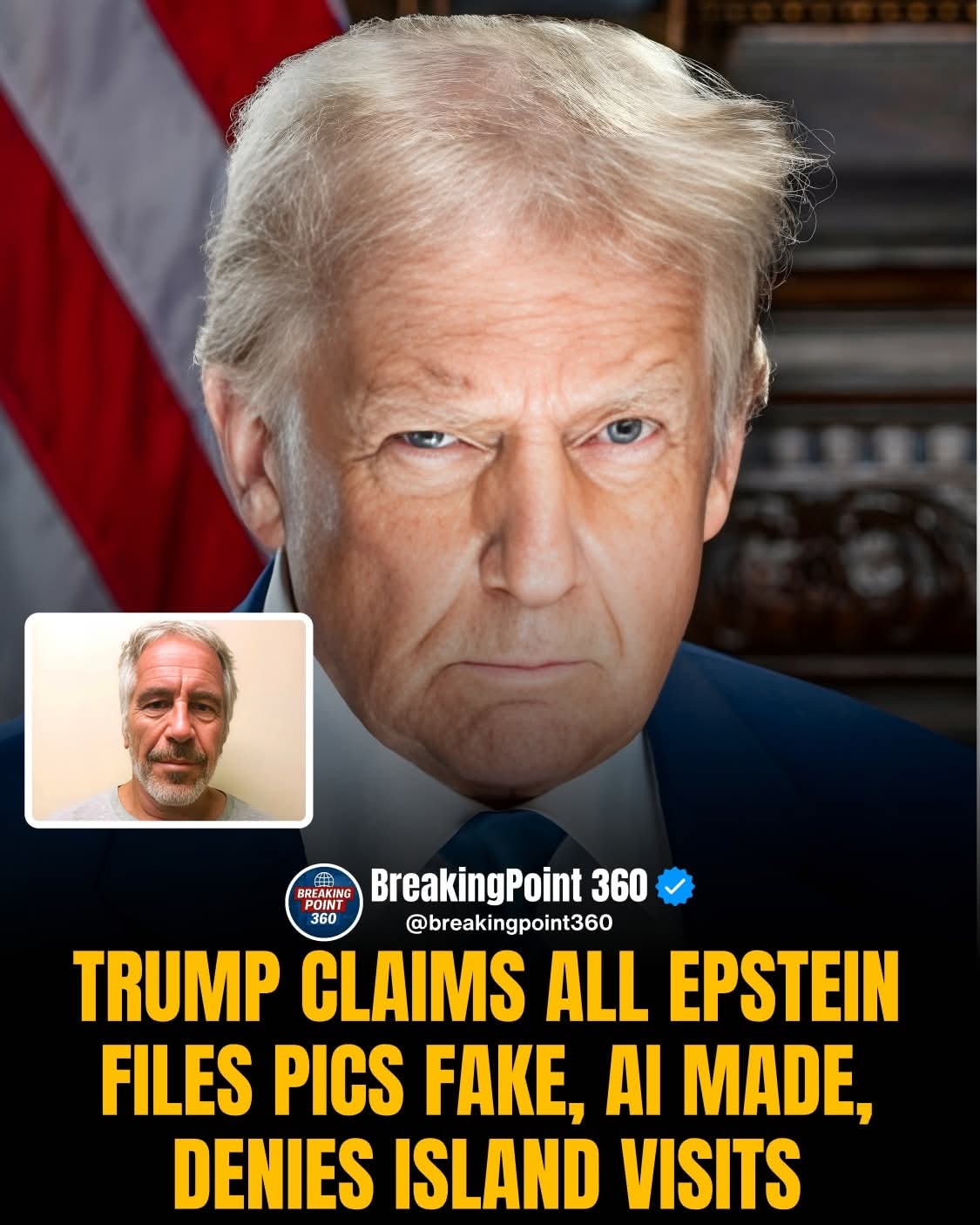
Former U.S. President Donald Trump has forcefully rejected long-standing allegations linking him to Jeffrey Epstein’s private island, calling the claims a coordinated attempt to damage his reputation using manipulated and AI-generated imagery.
In a firm statement, Trump denied ever visiting Epstein’s island, asserting that images and materials circulating online — described by critics as part of Epstein’s “inner-circle files” — are sexually suggestive, conceptually altered, and entirely fabricated through modern digital tools. He characterized the evidence as baseless constructions, accusing political opponents and hostile actors of exploiting advances in image editing and generative artificial intelligence to mislead the public.
Trump’s response comes amid renewed online circulation of unverified visuals and documents tied to Epstein, the late financier whose criminal activities and high-profile associations continue to fuel controversy years after his death. While Epstein maintained connections with numerous influential figures across politics, business, and entertainment, many alleged links remain disputed or unsupported by verified records.
Supporters of the former president argue that the controversy highlights a growing danger in the digital age, where deepfakes and AI-driven misinformation can blur the line between fact and fabrication. They claim Trump is being targeted through manipulated digital artifacts designed to shape public perception rather than present verifiable truth.
Critics, however, say Trump’s dismissal of the allegations raises further questions and risks diverting attention from legitimate inquiries into Epstein’s network. They argue that sweeping claims of AI fabrication, without independent forensic review, could undermine efforts to hold powerful individuals accountable.
The dispute underscores a broader challenge facing modern politics: how to assess evidence in an era where images, videos, and documents can be convincingly altered or entirely generated by artificial intelligence. As technology advances, experts warn that public trust in visual evidence may continue to erode, making verification and transparency more critical than ever.
As reactions remain sharply divided, the controversy adds another chapter to Trump’s long history of confronting allegations by questioning the credibility and motives behind them — while reigniting debate over the role of AI, misinformation, and political warfare in shaping public narratives.


Fans Weren’t Ready for What Serena Williams Revealed While Trying on a Bikini in Her Wardrobe…
Fans Weren’t Ready for What Serena Williams Revealed While Trying on a Bikini in Her Wardrobe…👇

These Serena Williams New 10 Mouth-Watering Wet Beach Moment Photos in a Barely There Dress Are the New Viral Talk on the Internet, and Fans Went Crazy to See the Moment the Dress Slipped Down and What Revealed Is That Serena Has a Big…

BREAKING: U.S President Donald Trump Has Just Been Confirmed…

Internet Buzz: 10 Private Photos of Serena xWilliams Allegedly Leaked Online,

Serena Williams’ Very Soaked Hot Body in 5 Private Photos Is Causing Fans to Lose Focus – Wives and Girlfriends Complain Their Men Are Distracted and Demand the Photos Be Deleted. See Them Before They’re Removed.

It was really painful, I thought I hurt my boobs popular Instagram celebs shares pictures of her hitting her boobs on the…

These 5 private Serena Williams mouth-watering beach photos are causing serious damage to fans, see them before it deleted

5 private Serena Williams mouth-watering beach photos are causing serious damage to fans

Serena Williams shocks the internet after stepping out in an ultra-revealing outfit, igniting fierce debate, viral reactions, and headlines as fans argue fashion freedom versus public shock worldwide. See more here…

Serena William Turns Heads in a sexy white gown — The photos Are breaking the internet
