NEWS
Trump faces mounting legal and political peril as impeachment articles circulate, artists boycott the Kennedy Center renaming, and lawmakers cite abuse of power. Experts warn post-presidency trials could expose him to criminal prosecution and prison.

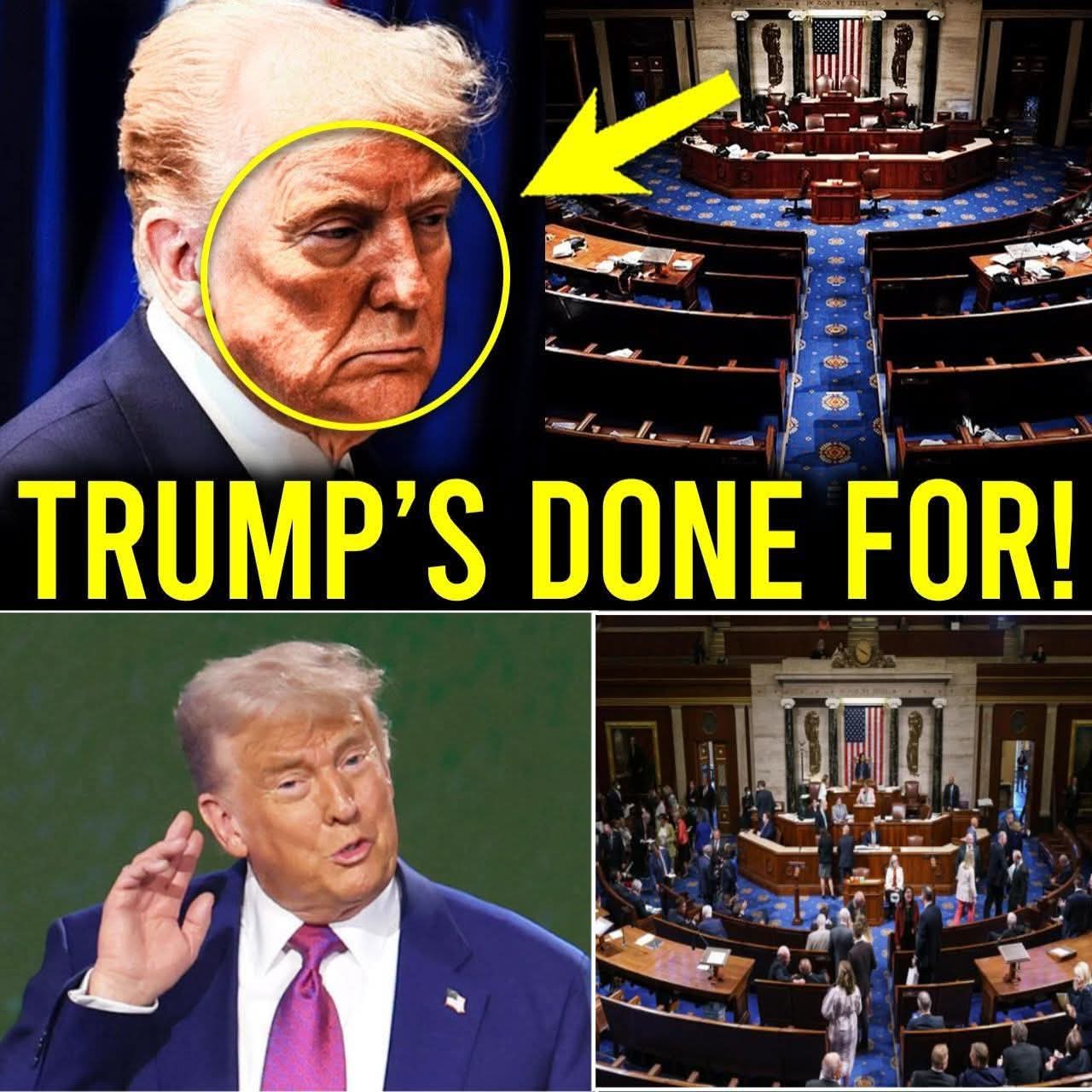
Donald Trump is confronting one of the most serious challenges of his political career as legal scrutiny and impeachment momentum intensify, raising questions that go beyond politics and into potential criminal exposure. What once appeared to be partisan conflict is now evolving into a high-stakes constitutional showdown with implications for Republicans, the midterm elections, and the presidency itself.
The latest controversy erupted after the cancellation of the traditional New Year’s Eve concert at the Kennedy Center. The decision followed a highly contentious move by the administration to rename the historic venue to include Trump’s name—an action several lawmakers have labeled illegal. The backlash was swift. Multiple artists refused to participate, publicly stating that they would not perform at an event tied to what they described as political self-promotion. The incident has become a symbol of broader criticism surrounding Trump’s second term.
Critics argue that the presidency has increasingly been marked by extravagance and personal branding. Reports of lavish White House renovations, gilded décor, and costly vanity projects have fueled claims that Trump is prioritizing image over governance at a time when many Americans are struggling with inflation, housing costs, and economic uncertainty. Supporters dismiss these claims as exaggerated, but the optics have added fuel to an already volatile political environment.
More consequential, however, is the growing pressure from Congress. Multiple draft articles of impeachment are now circulating, accusing Trump of a wide range of offenses, including obstruction of justice, abuse of power, corruption, violations of constitutional rights, and even tyrannical conduct. Lawmakers are focusing particularly on allegations that Trump has threatened to jail political opponents, defied court orders, and attempted to weaponize the Justice Department for personal or political gain.
Legal analysts warn that the stakes for Trump extend far beyond impeachment alone. Even if he avoids removal from office, the Constitution allows the Senate to hold an impeachment trial after a president leaves office. Such a scenario could open the door to criminal prosecution, stripping away claims of presidential immunity and exposing Trump to serious legal consequences.
For Republicans, the unfolding crisis presents a significant political risk heading into the midterms.
Party leaders must now decide whether to defend Trump, distance themselves, or chart a new course—each option carrying its own consequences. Voters, meanwhile, are left to weigh questions of accountability, executive power, and the rule of law.
What is clear is that this moment represents more than routine political drama. The legal pressure on Trump is real, the constitutional questions are profound, and the outcome could shape American politics for years to come. Whether this ends in impeachment, prosecution, or political survival, the situation has entered a phase where the consequences are no longer theoretical—but deeply tangible.


BREAKING NEWS: Do Americans Approve of Trump’s Way of Ruling? Public Opinion Splits as Debate Over His Leadership Style Resurfaces

‘WE GOT HIM!’: President Trump announced on Truth Social that U.S. forces carried out one of the most daring search-and-rescue missions in history, successfully recovering a senior officer who had been behind enemy lines in Iran.

“Andy Reid: ‘I Would Never Bet Against’ Patrick Mahomes Returning for Week 1 of 2026 Season”

Serena Williams shares a deep message for fans worldwide… Now people everywhere are reacting in a big way….

BREAKING: Trump Fires Attorney General Pam Bondi in Major Cabinet Shakeup Amid Iran War Tensions

See Serena Williams in Spicy Wet Red Barely-There Never-Before-Seen Mouth-Watering Photos: Fans Lose It When the Red Dress Couldn’t Hold Her Melons and Dropped and Revealed Her Giant…

See Serena Williams in Spicy Wet Red Barely-There Never-Before-Seen Mouth-Watering Photos: Fans Lose It When the Red Dress Couldn’t Hold Her Melons and Dropped and Revealed Her Giant…

The Goat ! Serena Williams at the vanity fair Oscar party …..

Fans have to check in : New 17 Serena Williams hot bikinis pictures
Hot Serena Williams bikini photos: 🎾 Serena Williams is embracing her new look and shutting down the noise. The tennis legend recently shared photos in bikinis

Fans Weren’t Ready for What Serena Williams Revealed While Trying on a Bikini in Her Wardrobe…