NEWS
Trump faces scrutiny over firing an FTC commissioner and claims of presidential control over independent agencies, while judges warn defying court orders could trigger contempt penalties or arrest, that no one is above the law.

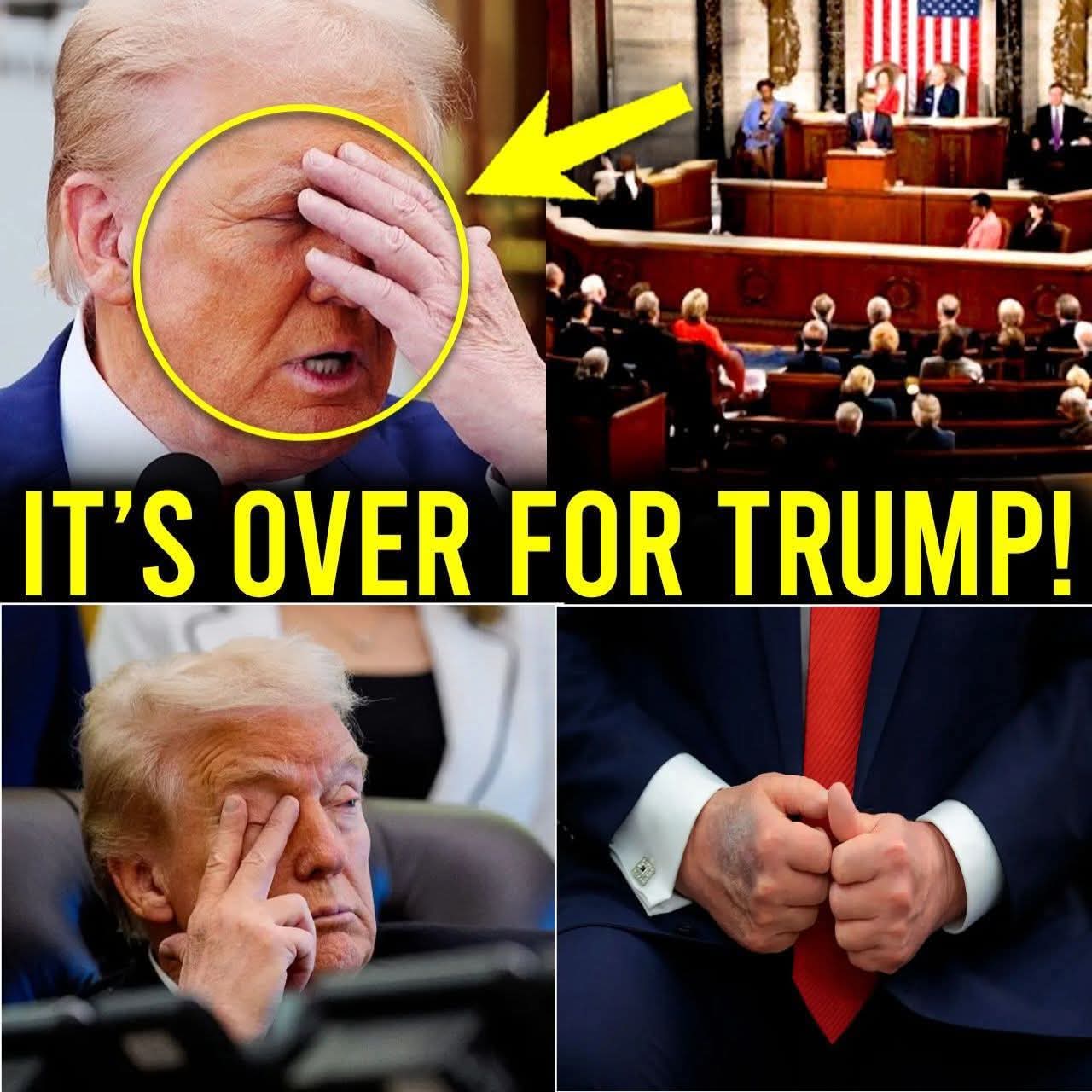
A growing legal confrontation is placing Donald Trump at the center of a high-stakes debate over presidential authority, judicial enforcement, and the future of independent federal agencies. At issue is not just one former president’s conduct, but a fundamental question about how far executive power can reach—and where the courts must draw the lines.
The Supreme Court is weighing a case that could reshape the balance of power in Washington: whether a U.S. president has the authority to directly control, and freely fire leaders of, independent federal agencies such as the Federal Trade Commission (FTC). The dispute stems from Trump’s removal of FTC Commissioner Rebecca Slaughter, who argues that Congress intentionally structured the agency to be bipartisan and insulated from political retaliation.
According to her position, those protections are essential to ensure fair enforcement, market stability, and public trust.
Trump’s legal team counters with a sweeping argument. As head of the executive branch, they say, the president must retain the power to remove agency officials at will. Limiting that authority, they argue, weakens democratic accountability by allowing unelected officials to operate beyond presidential oversight.
Supporters of this view believe independent agencies have grown too powerful and insufficiently responsive to voters’ choices expressed through presidential elections.
Opponents see something far more troubling. They warn that allowing presidents to fire independent regulators at will would open the door to political interference, favoritism, and retaliation.
In their view, Congress has clear constitutional authority to create agencies that operate at arm’s length from partisan pressure—especially when those agencies regulate powerful industries or enforce laws that demand neutrality.
At the same time, Trump is facing increasing resistance from the federal judiciary on a separate but related front. Multiple judges have publicly warned that repeated defiance of court orders—such as ignoring subpoenas, injunctions, or rulings—could result in contempt charges.
Courts have emphasized that contempt powers are not symbolic. They can include fines, detention, and, in extreme circumstances, arrest. The message from the bench has been stark: legal authority does not bend to political status.
Together, these developments have intensified a national conversation about accountability.
Are courts strong enough to enforce their rulings when confronted by political power? Should presidents have sweeping control over agencies meant to act independently? And what happens to the rule of law if court orders are treated as optional?
For supporters of Trump, these clashes represent an effort by the judiciary and bureaucracy to constrain executive authority and overturn the will of voters. For critics, they signal a necessary defense of constitutional checks and balances at a moment when those safeguards are under strain.
As the Supreme Court deliberates and judges continue to assert their authority, the outcome could shape the presidency for decades to come. More than a legal dispute, this is a defining test of whether American institutions can maintain independence, enforce accountability, and uphold the principle that no one—regardless of power or position—is above the law.


BREAKING NEWS: Do Americans Approve of Trump’s Way of Ruling? Public Opinion Splits as Debate Over His Leadership Style Resurfaces

‘WE GOT HIM!’: President Trump announced on Truth Social that U.S. forces carried out one of the most daring search-and-rescue missions in history, successfully recovering a senior officer who had been behind enemy lines in Iran.

“Andy Reid: ‘I Would Never Bet Against’ Patrick Mahomes Returning for Week 1 of 2026 Season”

Serena Williams shares a deep message for fans worldwide… Now people everywhere are reacting in a big way….

BREAKING: Trump Fires Attorney General Pam Bondi in Major Cabinet Shakeup Amid Iran War Tensions

See Serena Williams in Spicy Wet Red Barely-There Never-Before-Seen Mouth-Watering Photos: Fans Lose It When the Red Dress Couldn’t Hold Her Melons and Dropped and Revealed Her Giant…

See Serena Williams in Spicy Wet Red Barely-There Never-Before-Seen Mouth-Watering Photos: Fans Lose It When the Red Dress Couldn’t Hold Her Melons and Dropped and Revealed Her Giant…

The Goat ! Serena Williams at the vanity fair Oscar party …..

Fans have to check in : New 17 Serena Williams hot bikinis pictures
Hot Serena Williams bikini photos: 🎾 Serena Williams is embracing her new look and shutting down the noise. The tennis legend recently shared photos in bikinis

Fans Weren’t Ready for What Serena Williams Revealed While Trying on a Bikini in Her Wardrobe…