NEWS
Trump Signals Possible Iran Deal as U.S. Warships Deploy, Saying Tehran Is “Seriously Talking” While Military Options Remain on the Table Amid Violent Crackdown on Anti-Regime Protests

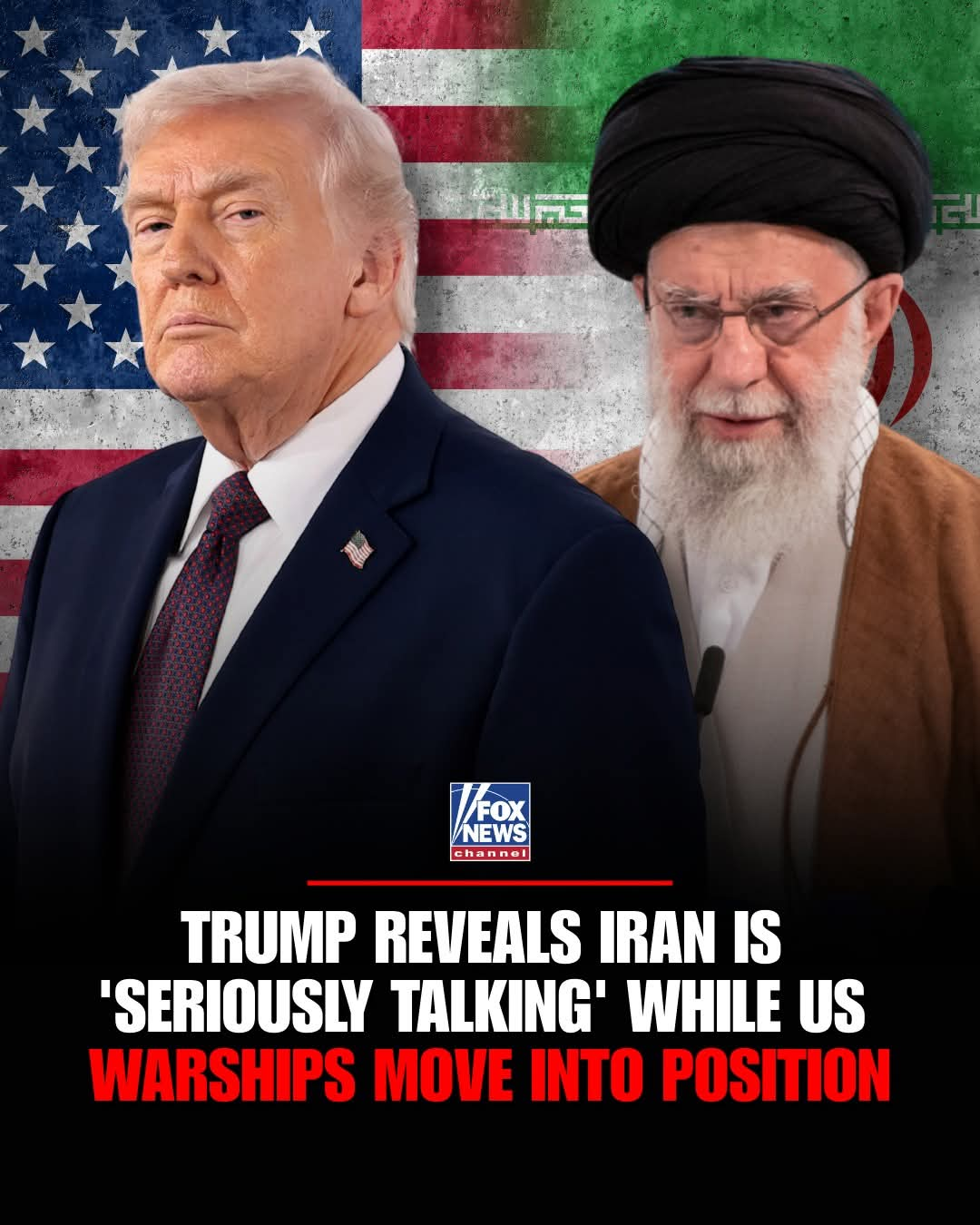
SHOW OF FORCE: Trump Signals Talks With Iran as U.S. Military Options Remain on the Table
Tensions between the United States and Iran are once again at a critical crossroads after President Donald Trump revealed that Tehran is “seriously talking” with Washington, even as the White House weighs military options in response to Iran’s violent crackdown on anti-regime protests.
Speaking to reporters, Trump struck a dual tone of pressure and possibility—pairing a clear display of American military strength with an expressed hope for diplomacy.
“We do have very big, powerful ships heading in that direction,” the president said, signaling a heightened U.S. military presence in the region. Despite the warning, Trump emphasized that negotiations remain his preferred outcome, adding, “I hope they negotiate something that’s acceptable.”
The comments come amid widespread unrest inside Iran, where protests against the ruling regime have reportedly been met with force.
Images and accounts emerging from the country have intensified international scrutiny and fueled calls for accountability, placing Iran’s leadership under growing pressure both at home and abroad.
U.S. officials have not detailed the exact nature of the ongoing talks, but the president’s remarks suggest backchannel communications or preliminary diplomatic engagement. At the same time, the movement of U.S. naval assets underscores that Washington is preparing for multiple scenarios should negotiations fail.
Analysts say the strategy reflects Trump’s long-standing approach to foreign policy: apply maximum pressure while leaving the door open for a deal. Supporters argue this posture strengthens America’s bargaining position, while critics warn that increased military presence risks miscalculation in an already volatile region.
For Iran, the stakes are equally high. Facing domestic unrest, economic strain, and international isolation, Tehran must decide whether to pursue an agreement that could ease pressure—or double down on resistance despite the growing risks.
As global markets, allies, and adversaries watch closely, the next moves by Washington and Tehran could determine whether the situation de-escalates through diplomacy or slides toward open confrontation.
For now, the message from the White House is clear: the United States is prepared to negotiate—but it is also prepared to act.


BREAKING NEWS: Do Americans Approve of Trump’s Way of Ruling? Public Opinion Splits as Debate Over His Leadership Style Resurfaces

‘WE GOT HIM!’: President Trump announced on Truth Social that U.S. forces carried out one of the most daring search-and-rescue missions in history, successfully recovering a senior officer who had been behind enemy lines in Iran.

“Andy Reid: ‘I Would Never Bet Against’ Patrick Mahomes Returning for Week 1 of 2026 Season”

Serena Williams shares a deep message for fans worldwide… Now people everywhere are reacting in a big way….

BREAKING: Trump Fires Attorney General Pam Bondi in Major Cabinet Shakeup Amid Iran War Tensions

See Serena Williams in Spicy Wet Red Barely-There Never-Before-Seen Mouth-Watering Photos: Fans Lose It When the Red Dress Couldn’t Hold Her Melons and Dropped and Revealed Her Giant…

See Serena Williams in Spicy Wet Red Barely-There Never-Before-Seen Mouth-Watering Photos: Fans Lose It When the Red Dress Couldn’t Hold Her Melons and Dropped and Revealed Her Giant…

The Goat ! Serena Williams at the vanity fair Oscar party …..

Fans have to check in : New 17 Serena Williams hot bikinis pictures
Hot Serena Williams bikini photos: 🎾 Serena Williams is embracing her new look and shutting down the noise. The tennis legend recently shared photos in bikinis

Fans Weren’t Ready for What Serena Williams Revealed While Trying on a Bikini in Her Wardrobe…