NEWS
Trump vs. Obama: Two Presidents, Two Visions—Comparing Leadership Styles, Economic Policies, and Lasting Impact on America’s Political Landscape and Future Direction

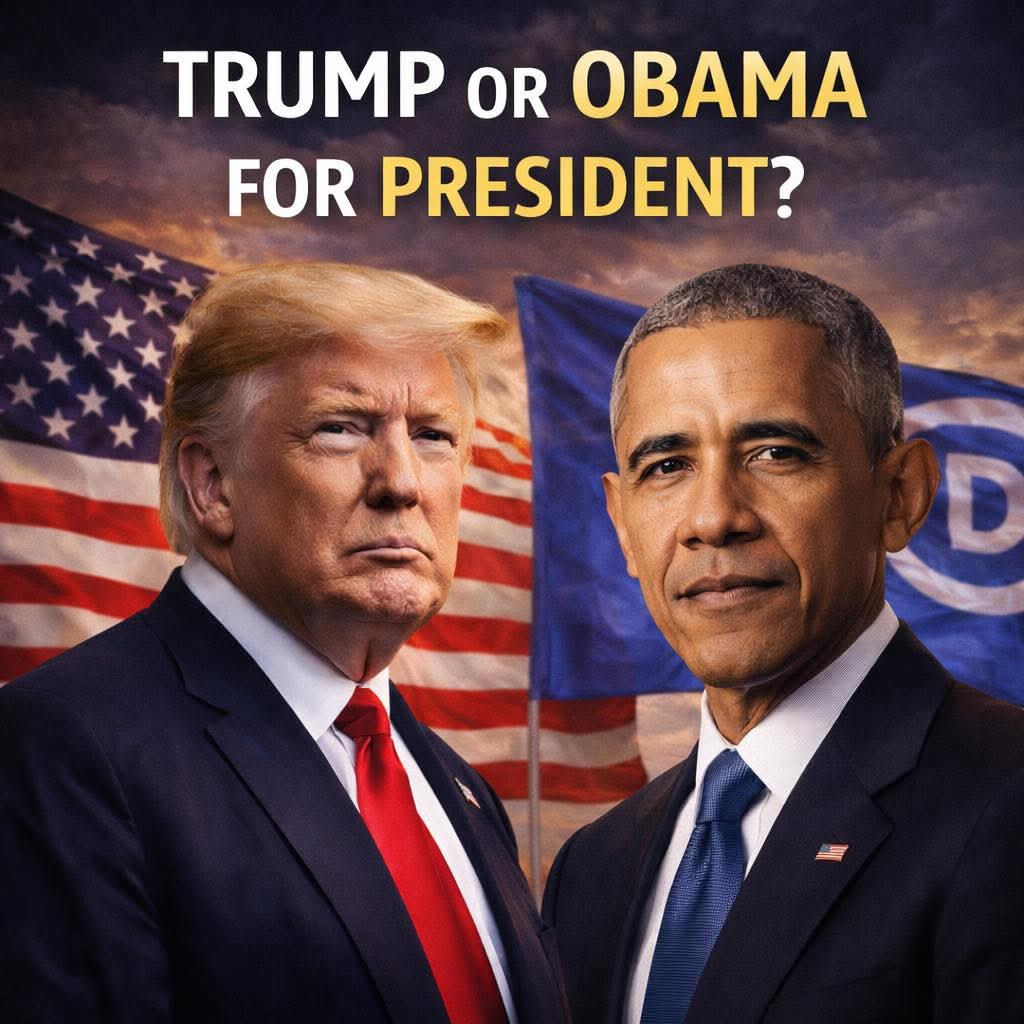
Trump or Obama: Two Presidencies, Two Visions, One Ongoing DebateFew political matchups spark as much passion as a comparison between Donald Trump and Barack Obama. Though they led the United States in different eras and under very different circumstances, their leadership styles, policy priorities, and political philosophies continue to shape national and global conversations.
Leadership Style and Tone
Barack Obama entered office in 2009 during the aftermath of the global financial crisis. His leadership style was often described as measured, diplomatic, and focused on consensus-building. Obama emphasized unity, multilateral cooperation, and restoring America’s global image. His speeches frequently centered on hope, civic responsibility, and long-term institutional reform.
Donald Trump, inaugurated in 2017, took a sharply different approach. A businessman and political outsider, Trump positioned himself as a disruptor of the Washington establishment. His leadership style was direct, combative, and highly media-driven. He prioritized bold messaging, quick executive actions, and a strong appeal to his political base.
Domestic Policy Differences
One of Obama’s most significant domestic achievements was the Affordable Care Act (ACA), aimed at expanding healthcare access and reducing uninsured rates. His administration also focused on environmental regulations, financial oversight reforms following the 2008 crisis, and social policy changes such as support for same-sex marriage.
Trump’s domestic agenda emphasized tax reform, deregulation, and border security. The Tax Cuts and Jobs Act of 2017 lowered corporate tax rates and adjusted individual brackets. His administration also focused heavily on immigration enforcement and appointing conservative federal judges, including multiple Supreme Court justices.
Economic Approaches
Under Obama, the U.S. economy gradually recovered from the Great Recession, with steady job growth during his second term. His administration emphasized government intervention to stabilize key industries and expand social safety nets.
Trump highlighted strong pre-pandemic economic indicators, including low unemployment rates and stock market gains, crediting tax cuts and deregulation. However, his term was also marked by the economic disruption caused by the COVID-19 pandemic, which required large federal stimulus packages.
Foreign Policy and Global Strategy
Obama favored multilateral agreements and diplomacy, including international climate agreements and nuclear negotiations with Iran. He emphasized rebuilding alliances and reducing large-scale military interventions.
Trump promoted an “America First” foreign policy stance, reassessing trade agreements, increasing pressure on NATO allies to raise defense spending, and renegotiating trade deals such as NAFTA. His administration also pursued direct, unconventional diplomacy with adversaries, including North Korea.
The Lasting Impact
The contrast between Trump and Obama reflects deeper divisions in American politics: globalization versus nationalism, institutional reform versus disruption, diplomacy versus hardline negotiation tactics.Supporters of Obama often highlight his emphasis on stability, inclusivity, and long-term structural reform. Supporters of Trump point to his assertiveness, economic nationalism, and willingness to challenge political norms.
Conclusion
The debate over who was the “better” president ultimately depends on what values and outcomes voters prioritize. Both leaders left a lasting imprint on American political culture, influencing not only policy but also how presidential power and communication are perceived in the modern era.
The question isn’t just Trump or Obama — it’s about what kind of leadership Americans believe best represents their future.


Fans Weren’t Ready for What Serena Williams Revealed While Trying on a Bikini in Her Wardrobe…
Fans Weren’t Ready for What Serena Williams Revealed While Trying on a Bikini in Her Wardrobe…👇

These Serena Williams New 10 Mouth-Watering Wet Beach Moment Photos in a Barely There Dress Are the New Viral Talk on the Internet, and Fans Went Crazy to See the Moment the Dress Slipped Down and What Revealed Is That Serena Has a Big…

BREAKING: U.S President Donald Trump Has Just Been Confirmed…

Internet Buzz: 10 Private Photos of Serena xWilliams Allegedly Leaked Online,

Serena Williams’ Very Soaked Hot Body in 5 Private Photos Is Causing Fans to Lose Focus – Wives and Girlfriends Complain Their Men Are Distracted and Demand the Photos Be Deleted. See Them Before They’re Removed.

It was really painful, I thought I hurt my boobs popular Instagram celebs shares pictures of her hitting her boobs on the…

These 5 private Serena Williams mouth-watering beach photos are causing serious damage to fans, see them before it deleted

5 private Serena Williams mouth-watering beach photos are causing serious damage to fans

Serena Williams shocks the internet after stepping out in an ultra-revealing outfit, igniting fierce debate, viral reactions, and headlines as fans argue fashion freedom versus public shock worldwide. See more here…

Serena William Turns Heads in a sexy white gown — The photos Are breaking the internet
