NEWS
Trump Drops a Bombshell 60-Day Deadline for Iran: ‘Make a Deal or Face Things They Won’t Like’ – But Says He Doesn’t Think It Will Get That Far. What Happens Next?

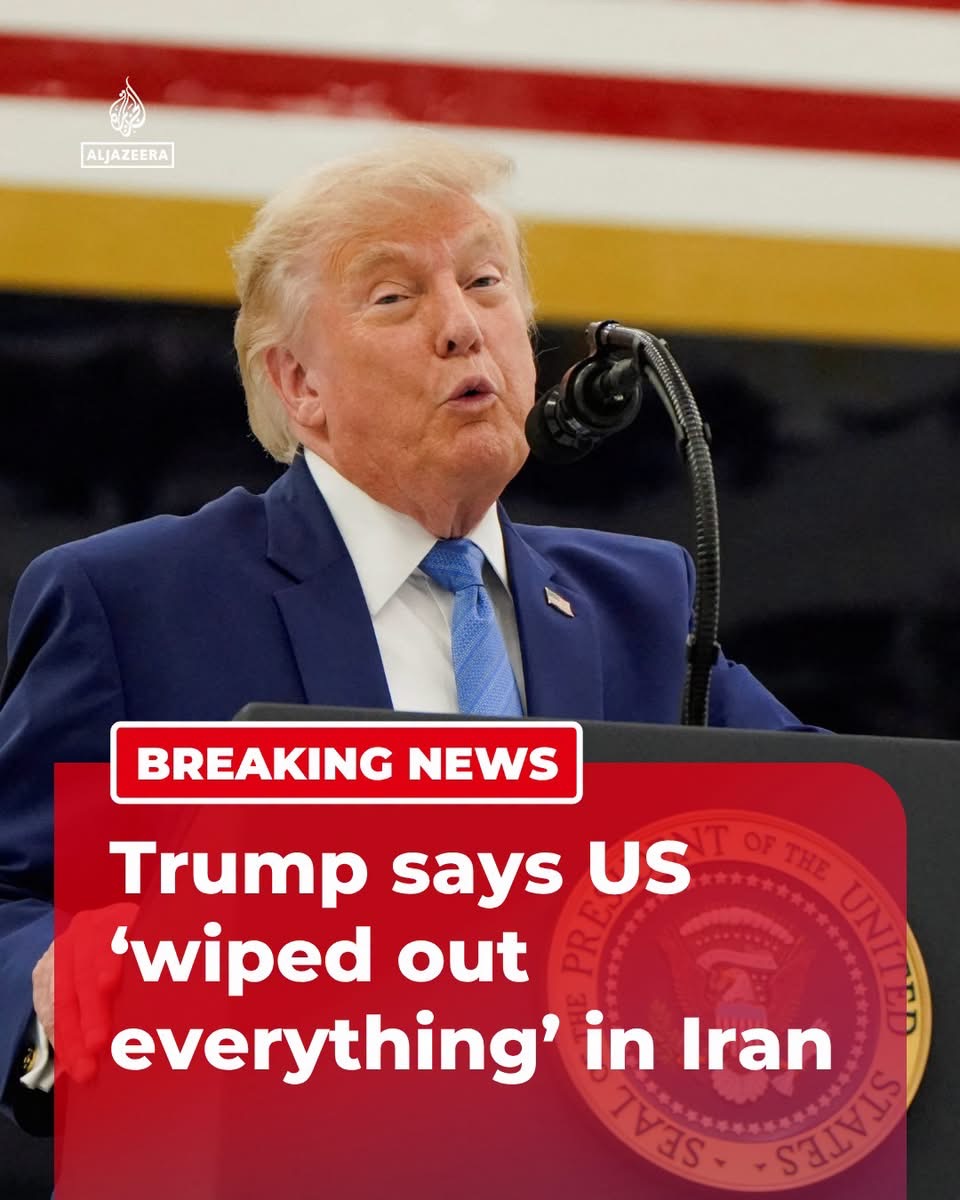
In a recent speech, former President Donald Trump stated that the U.S. and Iran have “60 days to make a deal,” warning that “otherwise we will do things that won’t make them happy.” He added that he does not believe it will reach that point. The comment, delivered amid ongoing debate over Iran’s nuclear program and regional tensions, has renewed focus on U.S.-Iran relations and the possibility of renewed negotiations or escalation.
The Statement and Its Timing
Trump’s remarks came as international attention is already centered on Iran’s nuclear activities and broader Middle East stability. By specifying a 60-day window, he created a clear, short-term marker. If measured from the date of the speech in September 2025, the 60-day point lands in late November 2025.The dual nature of the comment is notable: a warning of consequences if no agreement is reached, paired with an expression of optimism that it won’t get there. This reflects a negotiating posture Trump has used before – combining pressure with an opening for diplomacy.
Background: U.S.-Iran Relations
U.S.-Iran relations have been defined by cycles of negotiation, sanctions, and confrontation for decades. Key points include:
1. The 2015 Nuclear Deal: The Joint Comprehensive Plan of Action limited Iran’s uranium enrichment in exchange for sanctions relief. The U.S. withdrew in 2018 during Trump’s first term, reimposing sanctions.
2. Sanctions and Economic Pressure: Since 2018, U.S. sanctions have targeted Iran’s oil exports, banking sector, and key industries. Iran has responded by increasing uranium enrichment and reducing compliance with parts of the 2015 deal.
3. Regional Dynamics: Iran’s support for allied groups in the region and incidents in the Gulf, along with Israel’s security concerns, continue to shape the calculus in Washington and Tehran.
What a “Deal” Could Look Like
Any new agreement would likely address:
– Nuclear Limits: Caps on uranium enrichment levels, stockpile size, and centrifuge numbers.
– Sanctions Relief: Potential easing of U.S. sanctions in exchange for verifiable nuclear constraints.
– Monitoring and Verification: Role of the IAEA and other mechanisms to ensure compliance.
– Regional Issues: Though often separate, discussions may touch on Iran’s regional activities, though Tehran has historically resisted linking these to the nuclear file.
Possible Outcomes in 60 Days
1. Negotiated Outcome: Renewed talks could produce an interim understanding or a broader framework, reducing immediate tensions.
2. Increased Pressure: If no deal materializes, the U.S. could impose additional sanctions, target Iran’s oil trade, or take other economic measures.
3. Status Quo: It’s also possible that rhetoric intensifies but substantive action is delayed, as both sides test each other’s positions.
Trump’s comment that he “doesn’t think it will get to that” suggests an expectation that pressure will bring Iran to the table. Whether that assessment holds depends on Iran’s domestic politics, its economic needs, and calculations about U.S. resolve.


“BREAKING: Taylor Swift & Travis Kelce Secretly Married Before $30M MSG Wedding — See Her New Ring + All The Photos”

Travis Kelce Broke Down Reading His Vows. The 2 Words Taylor Whispered Back Broke Everyone”

SERENA WILLIAMS JUST REVEALED A VIDEO OF WHAT SHE’S BEEN KEEPING PRIVATE FOR YEARS… AND IT’S EVERYTHING watch the video now before it gone

IT’S FINALLY OFFICIAL! Hearts Are Overflowing with Joy! Travis Kelce and Taylor Swift just stunned the world with a major announcement during the latest public appearance. The speculation is officially OVER, and the news is even more beautiful than anyone could have ever imagined!

Taylor Swift and Travis Kelce Are Officially Married! Taylor Swift and Travis Kelce tied the knot at Madison Square Garden in New York City on July 3

SERENA WILLIAMS JUST REVEALED WHAT SHE’S BEEN KEEPING PRIVATE FOR YEARS… AND IT’S EVERYTHING

Serena Williams finally show up what she has been keeping private body to everyone…..

Serena Williams Breaks Silence: How Gruelling, Invasive Doping Protocols Nearly Destroyed Her Confidence And Almost Forced Her To Quit Tennis For Good

Trump Kisses Mystery Woman LIVE at World Cup Draw… Melania’s Face Says It All during the 2026 World Cup Draw —— furious melania felling BETRAYED – RETALIATES by EXPOSING TRUMP SECRET

Internet Buzz: 3 hot Private Photos of Serena Williams Allegedly Leaked Online,click to see ..see more

Serena Williams Just Stepped Out in a Look That’s Got Everyone Talking – See Why Fans Are Calling It Pure Confidence
