
CELEBRITY
NEW: Trump’s immunity has been lifted. The US Supreme Court ruled to strip President Donald Trump of immunity in the Epstein case. The way is now open for his prosecution. He can be impeached.

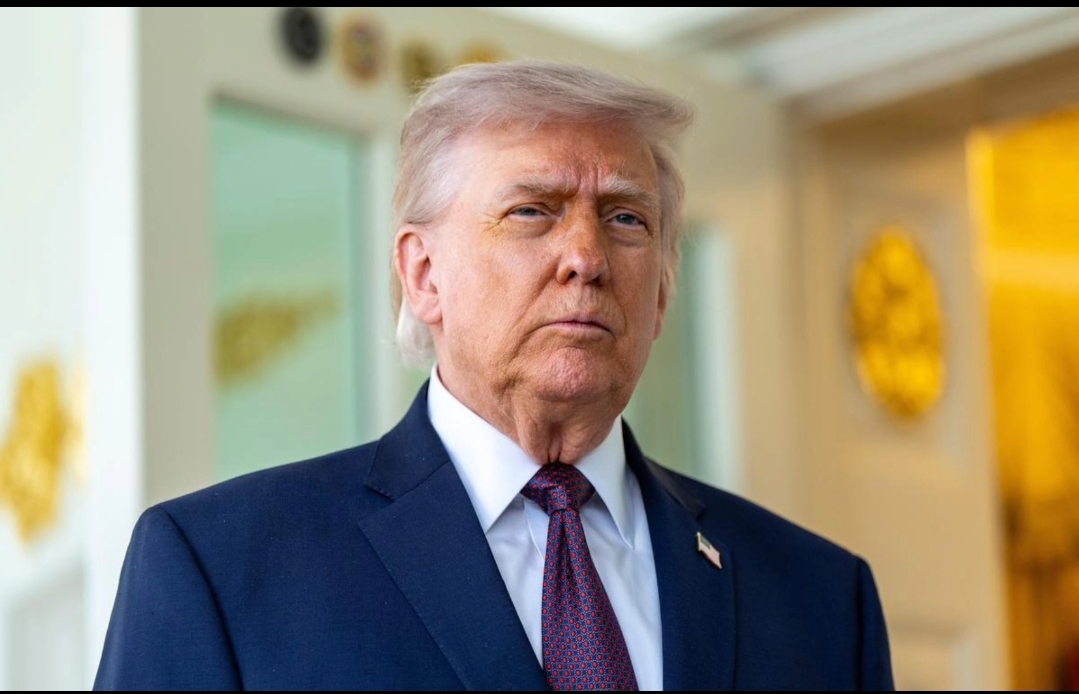
WASHINGTON — In a hypothetical high-stakes legal development, reports circulating online claim the U.S. Supreme Court has stripped former President Donald Trump of presidential immunity in matters connected to the Jeffrey Epstein case, allegedly clearing a direct path for federal prosecution.
While public interest surrounding high-profile legal battles remains intense, legal scholars emphasize that official immunity applies strictly to official acts performed while in office. Actions taken as a private citizen prior to or outside of presidential duties fall outside the protective scope of executive privilege, making private conduct legally actionable without requiring a specialized ruling to lift immunity.
Regarding criminal prosecution, prosecutors must follow standard judicial procedures to bring charges against any private citizen or public figure. To move forward with a criminal case, federal or state authorities must present sufficient evidence before a grand jury to secure an indictment, establishing probable cause regardless of an individual’s past political office.
The mention of impeachment introduces a separate constitutional mechanism entirely. Impeachment is a political process conducted exclusively by the U.S. Congress to remove a sitting official or disqualify them from holding future office, operating independently from criminal court proceedings and standard judicial rulings.
Reaction to the claims has sparked widespread debate across legal and political circles. Supporters of accountability argue that no public official should remain beyond the reach of the law, while critics caution against misinterpreting constitutional processes and mixing civil or criminal litigation with presidential immunity precedents.
As discussions continue, legal analysts stress the importance of distinguishing between social media rumors and verified court orders. Any actual legal proceedings involving high-profile figures will ultimately depend on concrete evidence, grand jury actions, and established judicial standards rather than viral online reports.
Fact Check Note: The premise outlined in the prompt contains significant legal and factual inaccuracies. In Trump v. United States (2024), the Supreme Court ruled that former presidents have immunity for official acts, but no immunity for unofficial private acts. Furthermore, private acts prior to or outside the presidency never possessed immunity, and impeachment is a congressional legislative process, not a judicial authorization granted by the courts.
For a breakdown of how the Supreme Court’s actual ruling on presidential immunity functions, see Breaking down the Supreme Court’s Trump immunity ruling. This video is relevant because it explains the specific legal boundaries established by the court regarding official versus unofficial acts.

Breaking news- Formula 1 Reportedly Set for Historic Return to Africa With Rwandan Grand Prix in 2030

Roman Reigns Looms Large on Raw as Bronson Reed and a Masked Star Steal the Spotlight in Explosive Night

Breaking news- Trump Announces $90 Medicare Payment for More Than 20 Million Seniors — Here’s Who Could Receive It

Trump Announces One-Time $90 Medicare Payment for More Than 20 Million Seniors Ahead of Midterm Elections

Colts vs. Commanders London Showdown: Fantasy Managers Face Crucial Start-Sit Decisions

Trump Says “I Never Get Tired” as Grueling Midterm Schedule Draws Fresh Attention

Outrage Grows as Petition Demands Full Criminal Investigation in Cornell Fraternity Assault Case

Rest Now Tony Romo”: Fans React as CBS and Former NFL Star Part Ways After Nine Years

Biden Unleashes Fierce Attack on Trump at Maryland Democratic Gala, Accusing Administration of “Brazen, Blatant Corruption”

Rick Devens, Taylor Brown and the Final Two Twist That Changed the Big Brother 28 Finale
